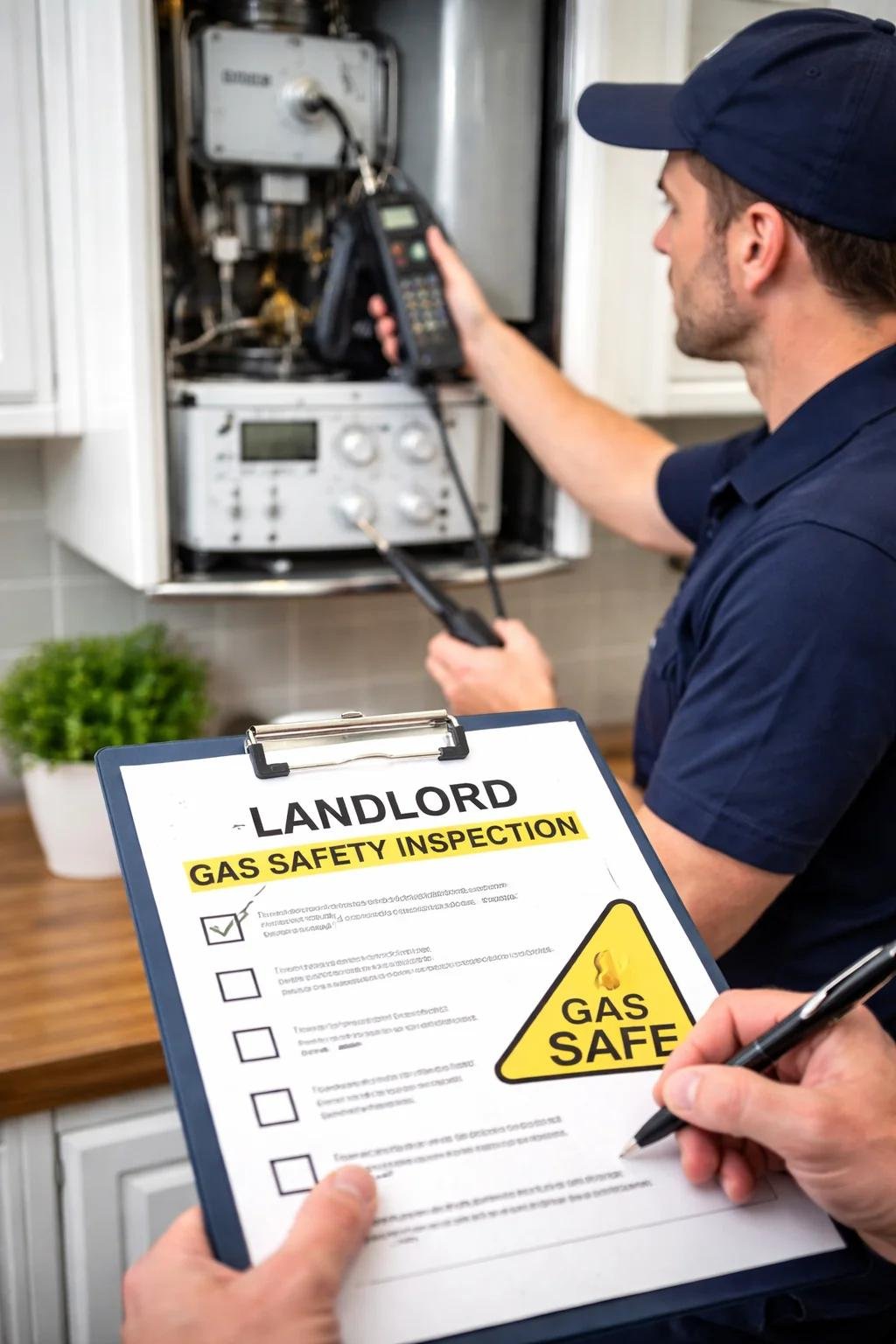
Local Law 152 requires many New York City buildings to undergo periodic inspections of their gas piping systems by qualified professionals. These inspections are designed to identify gas-related hazards, unsafe conditions, and deficiencies that could put occupants and the property at risk.
During a Local Law 152 inspection, inspectors typically examine exposed gas piping and related components throughout accessible areas of the building. They look for signs of corrosion, illegal or unsafe connections, physical damage, and other conditions that may compromise the gas system.
Key Areas Inspectors Examine
One of the primary concerns is the condition of gas piping. Inspectors look for excessive rust, corrosion, deterioration, leaks, and physical damage. They may also check pipe supports and fittings to determine whether the system is properly secured.
Inspectors also pay close attention to gas connections and joints. Improperly installed fittings, unapproved connections, or signs of leakage can result in required repairs. Appliances and equipment connected to the gas system may also be reviewed for unsafe conditions.
Another important part of the inspection is identifying code violations or hazardous conditions, such as exposed piping that has been improperly modified, inaccessible shutoff valves, or other conditions that could interfere with safe operation and maintenance.
What Happens After the Inspection?
If unsafe conditions are identified, the property owner may need to arrange for repairs and corrective work. Depending on the findings, additional documentation or follow-up inspections may also be required to demonstrate compliance.
Property owners should avoid waiting until the inspection deadline to address potential problems. Scheduling a professional evaluation in advance can help identify issues early, provide time for repairs, and reduce the risk of delays or compliance problems.
Stay Prepared for Local Law 152
A Local Law 152 inspection is more than a regulatory requirement—it is an important opportunity to identify gas system hazards before they become serious problems. Regular maintenance, timely repairs, and proper documentation can help building owners maintain a safer property and remain compliant with NYC requirements.