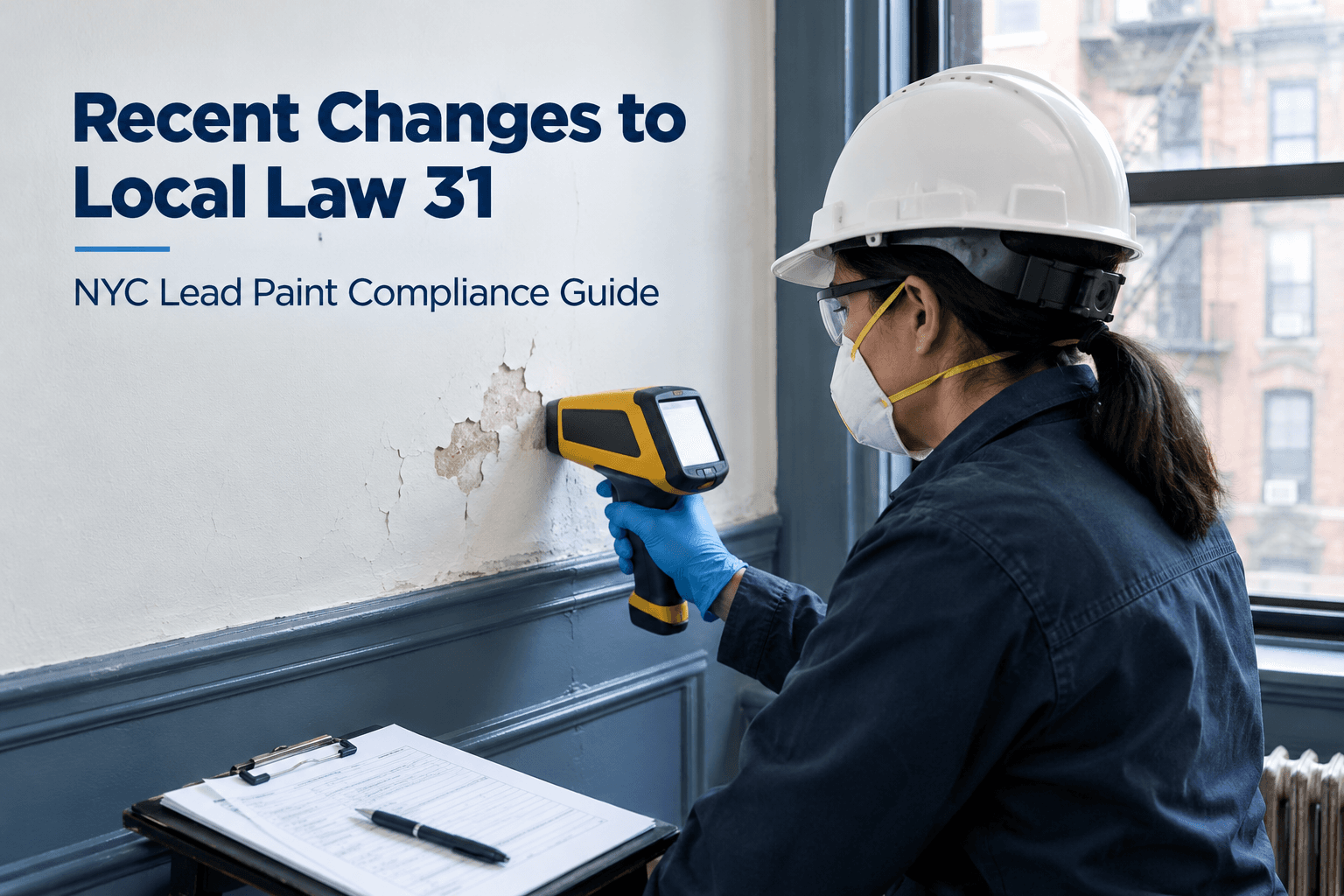
For NYC landlords, complying with Local Law 31 is an important responsibility when managing residential properties where children may be at risk of exposure to lead-based paint. The law requires certain buildings to undergo lead-based paint inspections and, when lead hazards are identified, appropriate corrective measures must be taken.
Failing to address lead hazards can result in violations, additional costs, and potential health risks for residents. By preparing in advance and working with qualified professionals such as Environmental Safeguard Solutions, landlords can make the inspection process more manageable and keep their properties on track for compliance.
Understanding Local Law 31
Local Law 31 requires owners of certain multiple dwellings constructed before 1960, as well as certain buildings constructed between 1960 and 1978 where lead-based paint is known or presumed to be present, to have lead-based paint inspections performed by appropriately certified professionals.
The purpose of the inspection is to identify whether lead-based paint is present in applicable areas of the building and to help determine whether lead hazards require corrective action.
Landlords should understand that Local Law 31 is not simply about passing an inspection. The ultimate goal is to identify and control lead hazards and protect building occupants, particularly young children who are more vulnerable to the effects of lead exposure.
Prepare Before the Inspection
One of the best ways landlords can avoid compliance problems is to prepare before the inspector arrives. Property owners and managers should review available building records and identify apartments or common areas that may require inspection.
It is also important to make sure inspectors have reasonable access to the areas that need to be evaluated. Coordinating with tenants in advance can help prevent missed appointments and delays.
Landlords should also gather previous inspection reports, lead-related records, renovation documentation, and any existing violation information. Having these records available can give the inspector a better understanding of the property's history.
Identify Potential Lead Hazards
Lead-based paint can deteriorate over time, particularly around friction and impact surfaces such as doors, windows, frames, and other painted components.
Common conditions that may require attention include peeling, chipping, cracking, or deteriorating paint. Dust generated from deteriorated or disturbed lead-based paint can become a significant concern, particularly in occupied residential spaces.
A professional inspection can help identify areas requiring further evaluation or corrective action.
Work With Qualified Professionals
Local Law 31 inspections should be performed by professionals who meet the applicable certification requirements. Working with an experienced company can help landlords better understand what is required and what steps should follow an inspection.
Environmental Safeguard Solutions can assist property owners with lead inspection and environmental compliance needs. By working with knowledgeable professionals, landlords can identify potential issues early and develop an appropriate plan for addressing them.
Professional guidance is particularly valuable when a property has multiple apartments, previous violations, ongoing renovations, or a history of lead-related concerns.
Address Deficiencies Promptly
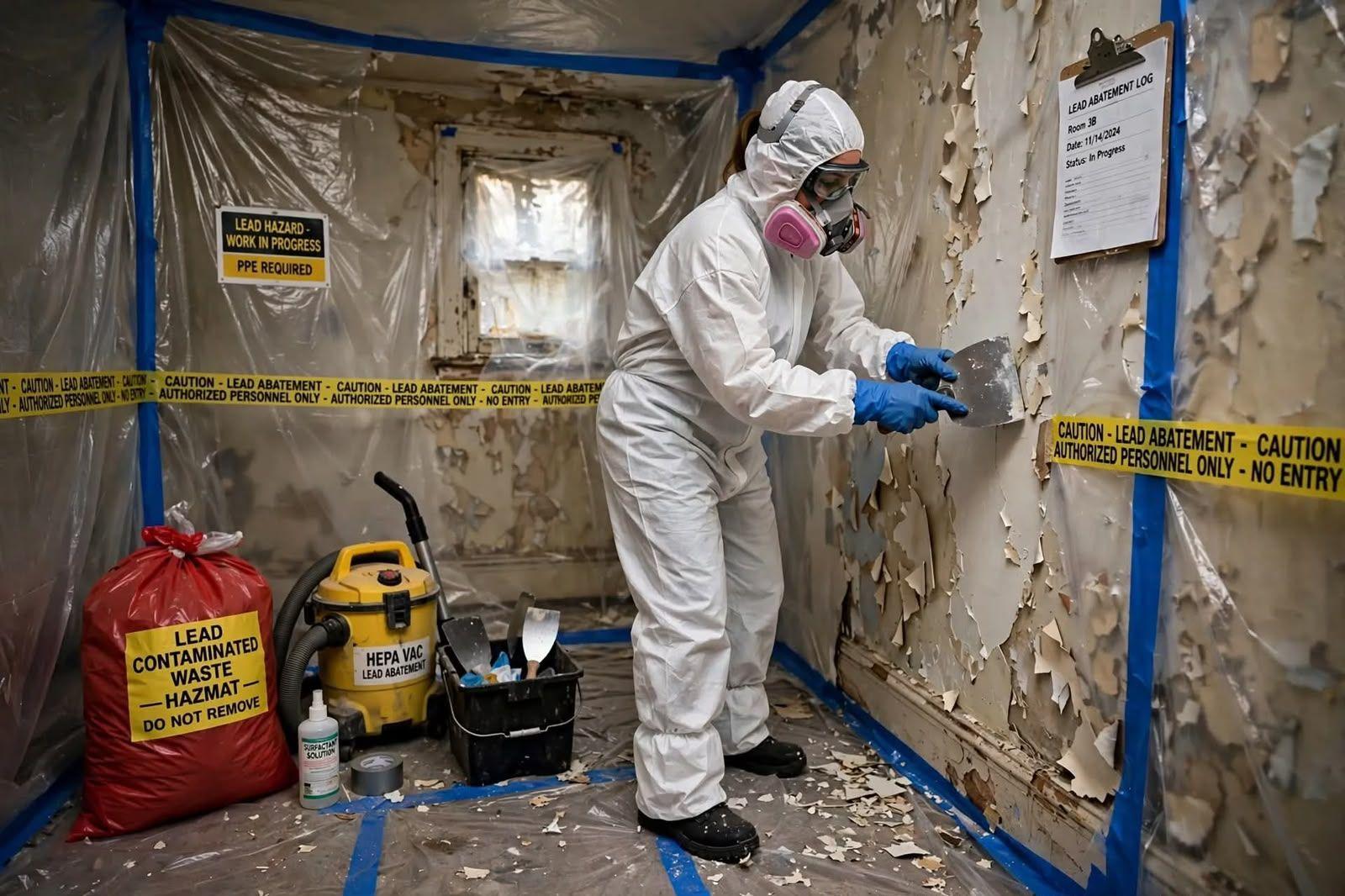
If an inspection identifies lead-based paint hazards or other conditions requiring corrective action, landlords should not delay. Depending on the findings, corrective work may involve proper lead-safe treatment, repair, maintenance, or abatement performed according to applicable requirements.
Simply painting over a deteriorated surface without properly addressing the underlying lead hazard may not be sufficient. Work involving lead-based paint should be handled using appropriate lead-safe practices and by properly qualified personnel when required.
Prompt action can help prevent minor maintenance problems from becoming larger compliance issues.
Maintain Proper Documentation
Documentation is an important part of Local Law 31 compliance. Landlords should keep copies of inspection reports, laboratory or testing results when applicable, work records, certifications, tenant notices, and other relevant documents.
Good recordkeeping allows property owners to demonstrate that required inspections and corrective measures have been completed. It can also make future inspections and compliance reviews easier to manage.
For landlords managing multiple properties, maintaining a centralized compliance system can be particularly useful for tracking inspection dates, apartments inspected, identified hazards, completed repairs, and upcoming requirements.
Why Professional Preparation Matters
Local Law 31 compliance can become complicated when landlords are dealing with multiple apartments, tenants, repairs, and regulatory requirements at the same time. Waiting until an inspection is already scheduled may leave little time to correct problems.
Environmental Safeguard Solutions can help landlords take a proactive approach by identifying potential lead-related concerns and providing professional guidance throughout the inspection and compliance process.
Rather than treating lead inspections as a one-time obligation, landlords should view them as part of an ongoing property maintenance and resident-safety program.