If you own a building in New York City, compliance with Local Law 152 isn’t optional—it’s mandatory. Missing your inspection deadline can lead to violations, civil penalties, and potential gas service disruptions.
Here’s what every building owner and property manager needs to know before the next deadline.
What Is NYC Local Law 152?
Local Law 152 of 2016 requires periodic inspections of gas piping systems in most buildings throughout New York City.
The law was enacted to improve public safety by identifying gas leaks, illegal connections, and unsafe piping conditions before they lead to serious incidents. It is enforced by the New York City Department of Buildings (DOB).
Who Must Comply?
Local Law 152 applies to:
- Most residential buildings
- Mixed-use buildings
- Commercial properties with gas piping systems
Exempt buildings include:
- 1- and 2-family homes
- Buildings with no gas piping
- Certain utility-owned structures
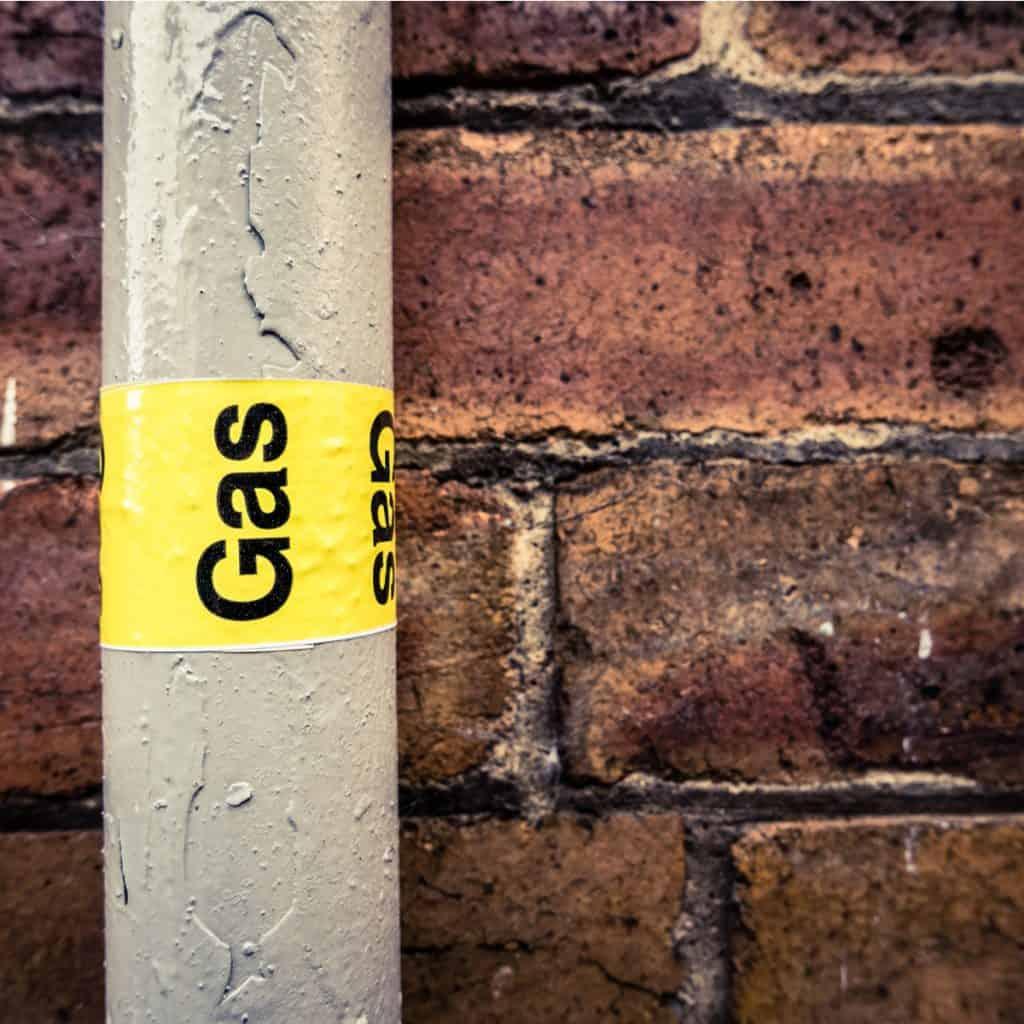
If your building contains any gas piping—whether active or capped—you likely fall under the law.
Inspection Schedule: Borough-Based Cycles
Inspections occur on a four-year cycle, determined by borough.
The typical schedule is:
- Community Districts in all boroughs are assigned specific years
- Inspections must be completed by December 31 of your assigned year
Boroughs include:
- Manhattan
- Brooklyn
- Queens
- The Bronx
- Staten Island
To confirm your exact deadline, check your Community District assignment with the DOB.
Who Can Perform the Inspection?
Inspections must be performed by a:
- Licensed Master Plumber (LMP)
OR - A qualified individual working under the supervision of an LMP
Hiring an unqualified contractor will not satisfy DOB requirements.
What Happens During a Local Law 152 Inspection?
The inspection typically includes:
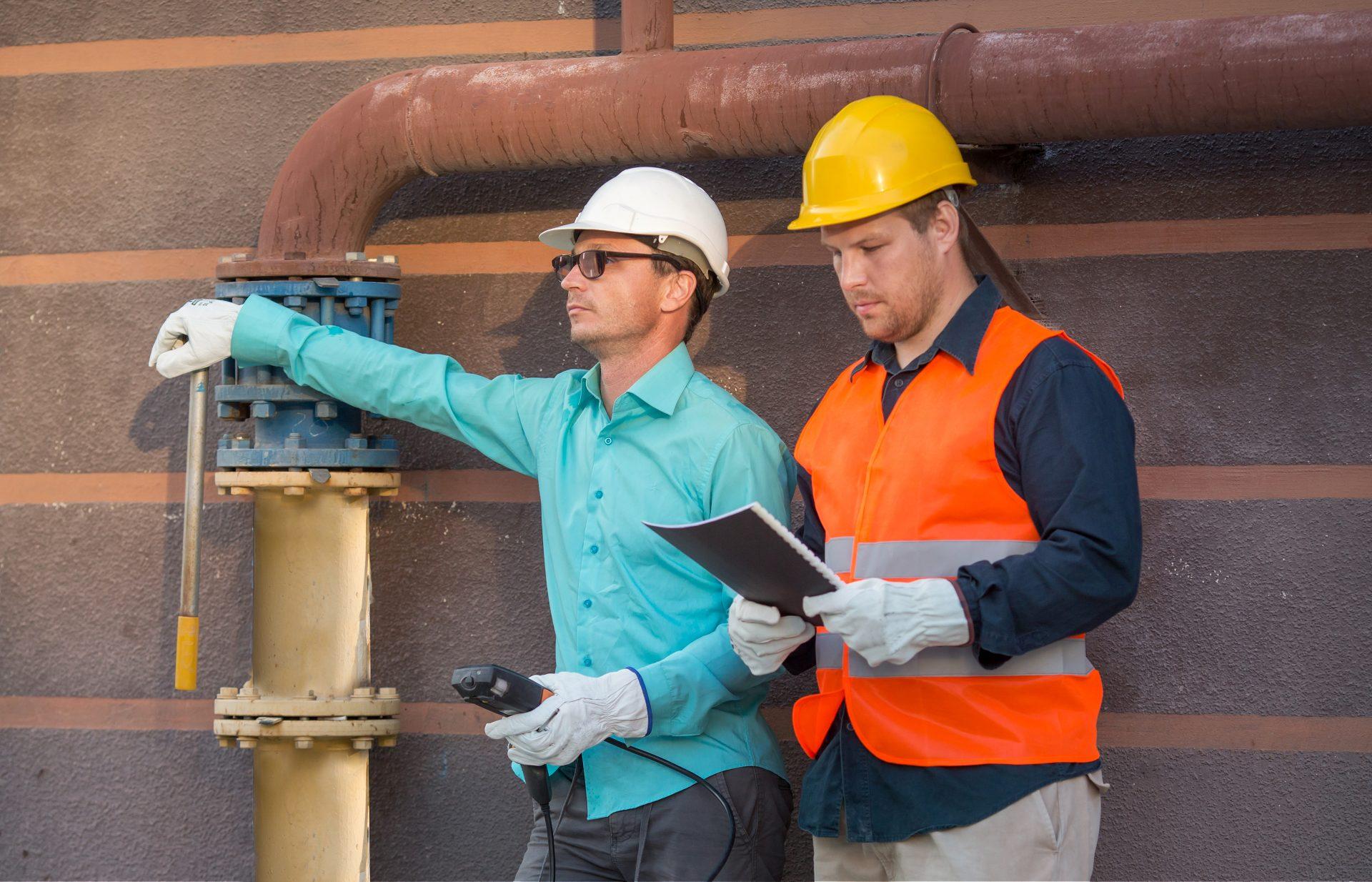
- Visual inspection of exposed gas piping
- Checking for illegal connections
- Testing for atmospheric gas leaks
- Inspection of gas meters and public areas
- Evaluating pipe condition and corrosion
Inspectors focus on exposed piping in:
- Hallways
- Boiler rooms
- Basements
- Mechanical rooms
Note: Apartments are generally not entered unless gas piping runs through them.
After the Inspection: What Gets Filed?
Within 30 days of inspection, your plumber must file a Gas Piping System Periodic Inspection Report (GPS1) with the DOB.
Results are classified as:
1. No Conditions
No issues found. You’re compliant until the next cycle.
2. Conditions Requiring Correction
Repairs must be completed within:
- 120 days (standard issues)
- 30 days (hazardous conditions)
Failure to correct conditions can result in DOB violations.
Penalties for Non-Compliance
If you miss your deadline, you may face:
- Civil penalties (typically starting at $5,000)
- DOB violations
- Possible gas shut-off in severe cases
The DOB can also issue additional fines for failure to file correction documentation.
Common Mistakes Building Owners Make
- Waiting until the last quarter of the year (plumbers book quickly)
- Assuming a prior inspection satisfies current cycle requirements
- Forgetting to file correction paperwork
- Not budgeting for potential repairs
- Failing to keep inspection records
Proactive scheduling avoids emergency pricing and compliance stress.
How to Prepare Before Your Inspection
To streamline the process:
- Clear access to gas meters and piping
- Ensure boiler rooms are accessible
- Locate prior inspection reports
- Address visible corrosion in advance
- Inform tenants if access is needed
Preparation can reduce both inspection time and repair costs.
Why Local Law 152 Matters
Beyond compliance, the law is about safety.
Gas leaks are a serious hazard. Early detection protects:
- Tenants
- Property investments
- Neighborhood safety
- Insurance coverage eligibility
Building owners who treat inspections as preventive maintenance—not just compliance—reduce long-term risk.
Final Thoughts
Local Law 152 is not a one-time requirement. It’s a recurring responsibility for building owners in New York City.
If your deadline is approaching, schedule your inspection early with a qualified Licensed Master Plumber and ensure your report is properly filed.
Staying ahead of the deadline means avoiding fines, preventing hazards, and protecting your building’s long-term value.