New York City apartments face unique environmental challenges that make mold a common issue for renters and homeowners alike. From aging pre-war buildings to poor ventilation and recurring water leaks, mold can spread quickly — often hidden behind walls, ceilings, or flooring.
While small surface spots may seem harmless, untreated mold problems can lead to structural damage, expensive repairs, and serious health concerns. The biggest question many NYC residents ask is:
When should you call a professional mold inspector?
This guide explains the warning signs, health risks, inspection process, and what NYC tenants should know before the problem gets worse.
Why Mold Is So Common in NYC Apartments
New York City creates the perfect conditions for mold growth:
- Older buildings with outdated plumbing
- Frequent roof and pipe leaks
- Poor ventilation in bathrooms and kitchens
- Humid summers
- Basement and ground-floor moisture
- Crowded apartment layouts with limited airflow
Mold thrives anywhere moisture stays trapped for more than 24–48 hours. Even a minor leak under a sink can become a hidden mold problem if ignored.
Common Signs You May Need a Mold Inspection
Not all mold problems are visible. In many NYC apartments, mold grows behind walls, under flooring, or inside HVAC systems.
Here are the most common warning signs:
1. Persistent Musty Odors
If your apartment smells damp, earthy, or stale even after cleaning, hidden mold may be growing somewhere out of sight.
2. Visible Discoloration on Walls or Ceilings
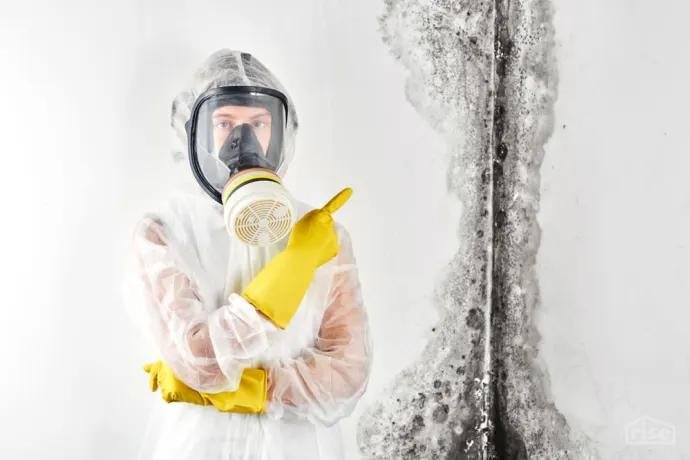
Black, green, brown, or white spots near windows, ceilings, bathrooms, or pipes often indicate moisture-related mold growth.
3. Recent Water Damage
Leaks from ceilings, burst pipes, flooding, or overflowing sinks can create ideal mold conditions within days.
4. Health Symptoms Indoors
You may need an inspection if household members experience:
- Sneezing
- Coughing
- Headaches
- Eye irritation
- Skin irritation
- Asthma flare-ups
- Difficulty breathing indoors
Symptoms that improve after leaving the apartment are a major red flag.
5. Peeling Paint or Bubbling Walls
Moisture trapped behind walls can cause paint to crack, bubble, or peel — often signaling hidden mold growth.
When DIY Cleaning Is Not Enough
Small mold patches on tile or bathroom grout can sometimes be cleaned safely with proper ventilation and protective gear.
However, you should call a professional mold inspector when:
- The mold covers a large area
- Mold keeps returning after cleaning
- The source of moisture is unknown
- You suspect mold behind walls or ceilings
- Multiple rooms are affected
- There is a strong odor but no visible mold
- You experienced flooding or major leaks
- Someone in the home has respiratory conditions
The U.S. Environmental Protection Agency generally recommends professional remediation for larger contamination areas.
What a Professional Mold Inspection Includes
A licensed mold inspector typically performs:
Visual Inspection
The inspector checks:
- Walls
- Ceilings
- HVAC systems
- Windows
- Plumbing areas
- Basements
- Crawl spaces
Moisture Detection
Special tools measure hidden moisture behind surfaces.
Air Quality Testing
Some inspections include air sampling to identify mold spores circulating indoors.
Surface Sampling
Inspectors may collect samples from visible growth to determine mold type and severity.
Detailed Report
Most professionals provide:
- Mold findings
- Moisture sources
- Risk assessment
- Recommended remediation steps
This documentation can also help tenants dealing with landlords or insurance claims.
NYC Tenant Rights Regarding Mold
In New York City, landlords are generally responsible for maintaining safe living conditions, including addressing mold caused by building conditions or leaks.
Tenants should:
- Document visible mold with photos
- Report issues in writing
- Keep records of repair requests
- Use NYC 311 if conditions remain unresolved
For severe situations, professional inspection reports can strengthen housing complaints or legal cases.
How Much Does Mold Inspection Cost in NYC?
Costs vary depending on apartment size and testing requirements.
Typical NYC mold inspection pricing:
- Basic visual inspection: $200–$500
- Full inspection with testing: $500–$1,500+
- Large property inspections: higher depending on scope
While inspections can seem expensive, early detection often prevents much larger repair costs later.
How To Prevent Mold in NYC Apartments
Preventive steps can reduce mold risk significantly:
- Use bathroom exhaust fans
- Open windows when possible
- Fix leaks immediately
- Use a dehumidifier during humid months
- Avoid blocking air vents
- Dry wet surfaces quickly
- Check under sinks regularly
- Monitor window condensation
Moisture control is the key to mold prevention.
Final Thoughts
Mold problems in NYC are more common than many residents realize. In tightly packed buildings with aging infrastructure, even small leaks can turn into major indoor air quality issues.
If you notice persistent odors, recurring stains, unexplained health symptoms, or recent water damage, it may be time to call a professional mold inspector before the problem spreads further.
Early action not only protects your apartment — it protects your health as well.