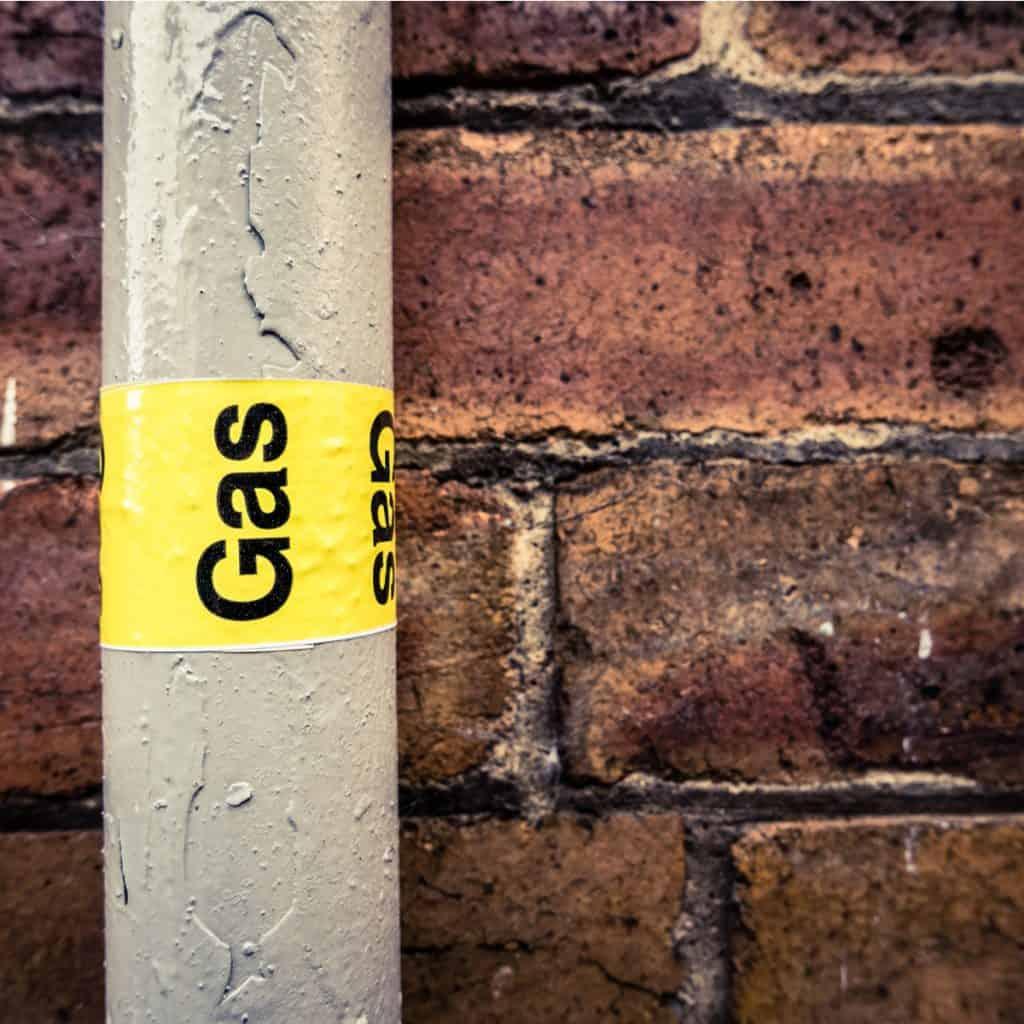
In New York City, building safety regulations are constantly evolving, and one area property owners cannot afford to overlook is gas piping inspections. Whether you own a residential building, manage commercial property, or oversee mixed-use developments, staying compliant with NYC gas inspection rules is essential for avoiding costly penalties, service disruptions, and potential safety hazards.
Understanding NYC Gas Inspection Requirements
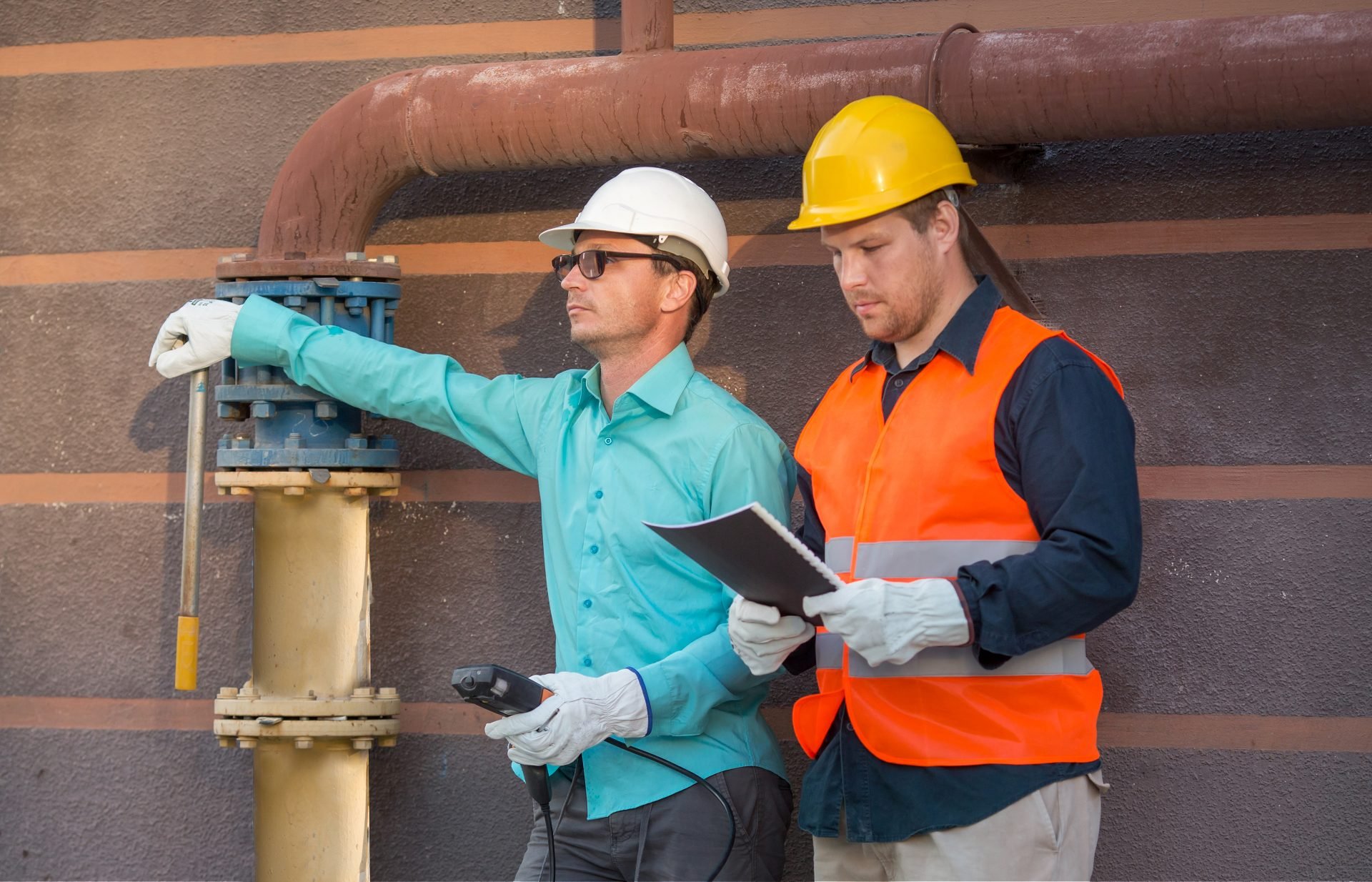
Under Local Law 152, building owners in NYC are required to have their gas piping systems periodically inspected by a licensed master plumber (LMP). The law applies to most buildings throughout the five boroughs and was introduced to improve gas safety after several high-profile incidents involving gas leaks and explosions.
These inspections are not optional. Property owners must comply within designated inspection cycles based on their community district. Missing deadlines or failing to file inspection certifications can result in significant fines and enforcement actions.
Why Compliance Matters
Ignoring gas inspection requirements can lead to more than just financial penalties. Non-compliance may also expose tenants, employees, and visitors to serious safety risks. Gas leaks can cause fires, explosions, carbon monoxide exposure, and structural damage.
Beyond safety concerns, violations can negatively impact:
- Property value
- Insurance coverage
- Tenant relationships
- Business operations
- Future permit approvals
For landlords and property managers, maintaining compliance demonstrates professionalism and a commitment to occupant safety.
Common Penalties for Missing Inspections
NYC imposes strict penalties on property owners who fail to meet inspection deadlines or submit the proper documentation. Some of the most common issues include:
Failure to Conduct Required Inspections
Owners who do not schedule inspections within their assigned cycle may face civil penalties and violations from the Department of Buildings (DOB).
Failure to Submit Inspection Certifications
Even if an inspection is completed, owners must ensure all required paperwork is properly filed with the DOB. Missing documentation can still trigger penalties.
Unresolved Unsafe Conditions
If inspectors identify unsafe or hazardous gas piping conditions, repairs must be completed promptly. Delays in correcting issues can escalate violations and potentially result in gas service interruptions.
How to Stay Ahead of NYC Gas Inspection Rules
Know Your Inspection Deadline
Inspection cycles are organized by community district, and deadlines vary. Property owners should verify their building’s inspection schedule well in advance to avoid last-minute complications.
Work With Licensed Professionals
Always hire a qualified Licensed Master Plumber experienced with Local Law 152 compliance. An experienced professional can identify issues early, complete accurate inspections, and ensure proper filing procedures are followed.
Keep Detailed Records
Maintain organized records of inspections, certifications, repairs, and correspondence with the DOB. Proper documentation can protect you in the event of disputes or future audits.
Address Repairs Quickly
If deficiencies are discovered during an inspection, immediate action is critical. Delaying repairs can increase risks and lead to additional fines.
Schedule Preventive Maintenance
Routine maintenance of gas piping systems helps identify wear, corrosion, leaks, and other problems before they become serious violations.
Benefits of Proactive Compliance
Property owners who stay ahead of NYC gas inspection rules often experience long-term benefits, including:
- Reduced risk of emergency repairs
- Lower likelihood of costly violations
- Improved building safety
- Greater tenant confidence
- Smoother DOB interactions
Proactive compliance is far less expensive than dealing with emergency situations, legal complications, or interrupted gas service.
Final Thoughts
NYC gas inspection requirements are designed to protect lives and property. While compliance may seem overwhelming, staying organized and proactive can help property owners avoid penalties and maintain safe, reliable buildings.
The best strategy is simple: know your deadlines, work with qualified professionals, and address issues before they become violations. By staying ahead of inspection requirements, you can protect your investment while ensuring the safety of everyone inside your property.