For landlords in New York City, 2025–2026 isn’t just another compliance cycle.
It’s a convergence year.
Local Law 31 (lead paint reporting), Local Law 126 (parking structure inspections), and Local Law 152 (gas piping inspections) are overlapping in ways that create serious operational and financial pressure—especially for multifamily and mixed-use property owners.
Individually, each law is manageable.
Together, they create what many owners are experiencing as a triple compliance squeeze.
Here’s what you need to know—and how to plan ahead.
1️⃣ Local Law 31: Lead-Based Paint Reporting Pressure
Local Law 31 expanded lead transparency and reporting requirements for residential buildings, building on earlier lead laws.
It’s enforced by the New York City Department of Housing Preservation and Development.
Why It’s a 2025–2026 Problem
- Stricter documentation standards
- Increased scrutiny of turnover work
- Greater enforcement tied to child occupancy
- Digital reporting expectations
Landlords must maintain:
- Annual lead notices
- Investigation records
- XRF testing documentation (where applicable)
- Proof of safe work practices
Risk factor: Documentation gaps discovered during refinancing, tenant litigation, or HPD audits.
Lead violations are often classified as immediately hazardous—and penalties escalate quickly.
2️⃣ Local Law 126: Parking Structure Inspections
Local Law 126 requires periodic inspections of parking structures by a Qualified Parking Structure Inspector (QPSI).
It is enforced by the New York City Department of Buildings.
Who Is Affected?
- Multifamily buildings with accessory parking
- Mixed-use buildings with garages
- Commercial properties with structured parking
The law requires:
- Initial inspection cycle compliance
- Condition assessment
- Safe/Unsafe classification
- Repair timelines for hazardous conditions
The surprise factor: Many landlords didn’t initially realize their accessory garages qualified under LL126.
If deficiencies are found, repair timelines can overlap with façade or structural work—creating compounded capital expenses.
3️⃣ Local Law 152: Gas Piping Inspection Cycle
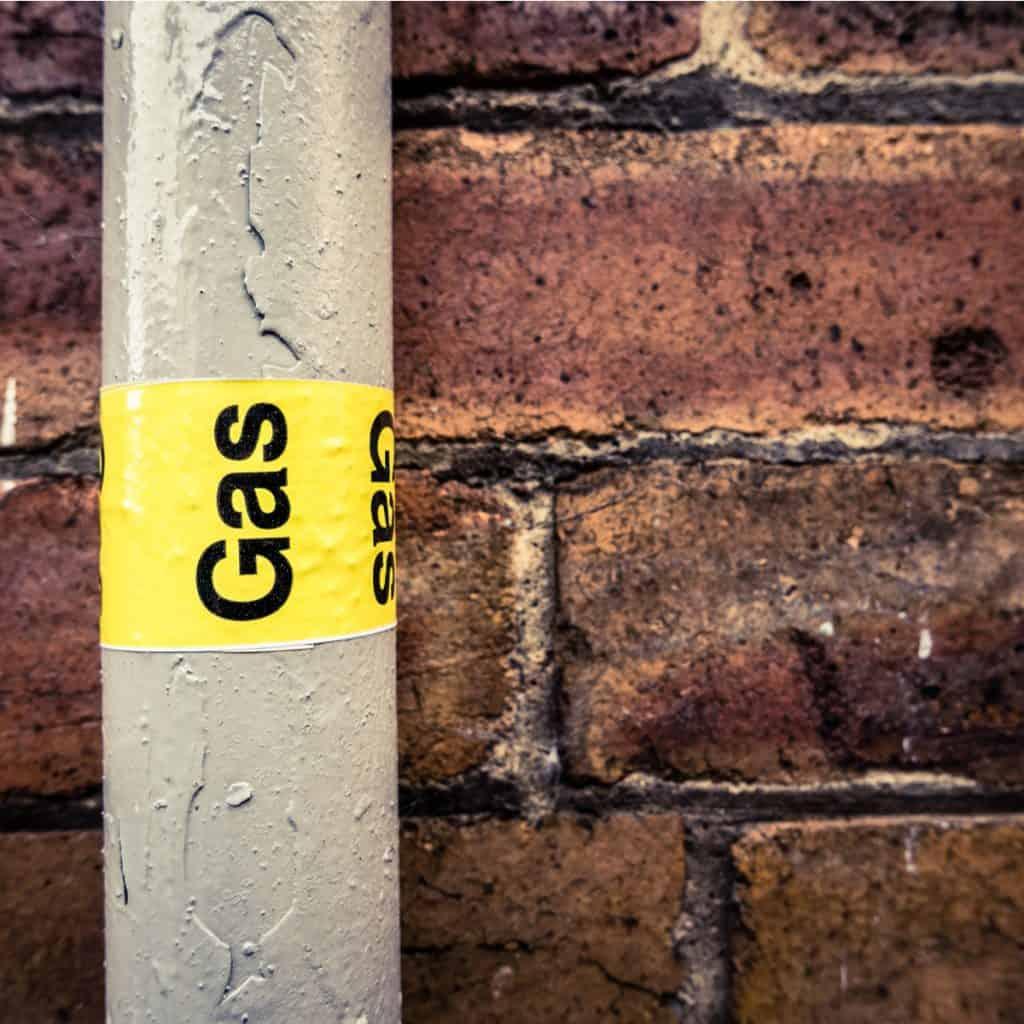
Local Law 152 mandates periodic gas piping inspections, also enforced by DOB.
By 2025–2026, many buildings are entering another inspection cycle.
Requirements Include:
- Inspection by a Licensed Master Plumber
- Gas leak detection testing
- GPS1 filing within 30 days
- Timely correction of hazardous conditions
Failure to comply can result in:
- Civil penalties
- Violations
- Potential gas shutoff
Gas compliance issues often surface when refinancing or during broader mechanical upgrades.
Why These Three Laws Collide in 2025–2026
Here’s where the pressure builds:
1. Capital Stack Strain
- Lead remediation
- Structural garage repairs
- Gas piping corrections
All can require unplanned capital improvements in the same fiscal year.
2. Vendor Bottlenecks
You’re competing for:
- Environmental consultants
- QPSI engineers
- Licensed Master Plumbers
- Filing representatives
As deadlines approach, pricing increases and availability shrinks.
3. Documentation Exposure
Lenders, insurers, and buyers are requesting:
- Clean HPD records
- Proof of LL152 compliance
- Evidence of LL126 inspection reports
- Lead compliance documentation
Incomplete records can delay transactions or trigger escrow holdbacks.
4. Enforcement Is Increasingly Data-Driven
Agencies cross-reference filings digitally.
HPD, DOB, and other city databases are more integrated than in previous cycles.
Open violations are easier to flag.
Missed deadlines are harder to ignore.
The Real Risk: Compounding Violations
Imagine this scenario:
- LL152 inspection finds corroded gas piping in a garage ceiling.
- LL126 inspection identifies structural deterioration in the same garage.
- Lead documentation gaps surface during tenant turnover.
Now you have:
- Multiple agency filings
- Overlapping repair scopes
- Tight correction timelines
- Increased tenant exposure
- Escalating compliance costs
This is what many landlords are beginning to face.
How Smart Landlords Are Responding
1️⃣ Conduct a Unified Compliance Audit
Instead of handling each law separately, run a combined review:
- HPD violation history
- DOB NOW records
- Garage structural condition
- Gas inspection cycle status
- Lead documentation completeness
Identify exposure before agencies do.
2️⃣ Align Inspections Strategically
If possible:
- Coordinate LL126 and LL152 site access
- Bundle mechanical evaluations
- Pre-plan lead remediation during vacancy
Reducing repeat site mobilization lowers costs.
3️⃣ Budget 12–24 Months Ahead
Don’t treat these as isolated line items.
Create a capital plan that anticipates:
- Structural repairs
- Gas piping corrections
- Lead remediation contingencies
- Filing and professional fees
Proactive budgeting prevents emergency borrowing.
4️⃣ Close Old Violations Now
Before entering 2026:
- Certify corrected HPD violations
- Confirm LL152 GPS1 filings are accepted
- Verify LL126 reports are submitted properly
Clean records improve negotiating leverage with lenders and buyers.
Who Is Most Exposed?
- Pre-war multifamily landlords
- Mixed-use owners with accessory garages
- Portfolio investors with staggered inspection cycles
- Owners who have deferred maintenance
If you fall into more than one of these categories, your exposure multiplies.
Final Thoughts
In New York City, compliance is no longer reactive—it’s strategic.
LL31 affects tenant safety and litigation exposure.
LL126 affects structural liability.
LL152 affects life safety and utility continuity.
Together, they represent a triple compliance challenge that demands coordinated planning—not last-minute scrambling.
Landlords who audit early, align inspections, and budget ahead will move through 2025–2026 with stability.
Those who wait may find themselves managing overlapping violations, compressed deadlines, and avoidable capital shocks.