Lead may be out of sight, but it should never be out of mind—especially for property owners. Whether you manage rental units, own older homes, or are preparing to sell, understanding how lead inspections work can protect your investment, your tenants, and your legal standing.
Here are the essential “secrets” every property owner should know about lead inspection—and why they matter more than you might think.
Why Lead Is Still a Serious Concern
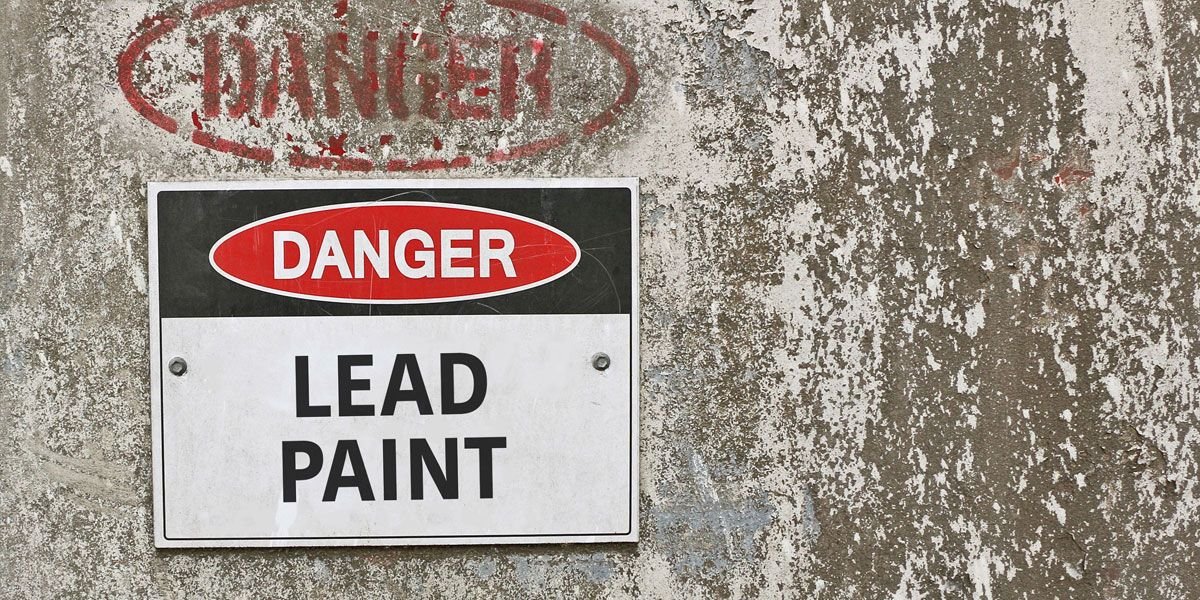
Lead-based paint was widely used in homes built before the late 1970s. As that paint deteriorates, it creates dust and chips that can be extremely harmful—particularly to children and pregnant women. Exposure can lead to long-term health problems, making lead safety both a moral and legal responsibility.
Secret #1: Not All Inspections Are the Same
Many property owners assume a standard home inspection covers lead—but that’s not true.
There are different types of lead assessments:
- Lead-based paint inspection – identifies where lead is present
- Risk assessment – evaluates potential exposure risks
- Clearance testing – ensures a property is safe after repairs
Knowing which one you need can save you from unnecessary costs—or dangerous oversights.
Secret #2: Age of Property Is a Big Clue
If your property was built before 1978, there’s a strong chance it contains lead-based paint. The older the building, the higher the likelihood.
Smart property owners don’t wait for problems—they proactively test and document results.
Secret #3: DIY Kits Aren’t Always Reliable
While do-it-yourself lead test kits are available, they often lack the accuracy and credibility of professional inspections. In legal or rental situations, only certified inspection results are typically recognized.
Cutting corners here can cost far more in the long run.
Secret #4: Lead Dust Is the Real Threat
Many people think lead danger comes only from peeling paint. In reality, lead dust—invisible and easy to inhale—is the most common cause of exposure.
Routine activities like opening windows or renovations can release this dust without you even noticing.
Secret #5: Renovations Can Make Things Worse
If you’re renovating an older property, disturbing painted surfaces can release hazardous lead particles. Without proper precautions, you could unintentionally create a serious health risk.
Hiring certified professionals trained in safe renovation practices is critical when dealing with potential lead exposure.
Secret #6: Documentation Protects You Legally
For landlords and sellers, documentation is everything. Many regulations require disclosure of known lead hazards to tenants or buyers.
Keeping records of:
- Inspection reports
- Repairs or abatement work
- Clearance results
can protect you from lawsuits and fines.
Secret #7: Prevention Is Cheaper Than Remediation
Addressing lead hazards early is far more affordable than dealing with contamination after exposure occurs. Preventive steps like sealing surfaces, maintaining paint, and regular inspections can save thousands in remediation costs.
Secret #8: Tenant Safety Builds Trust
Tenants are more informed than ever about environmental hazards. Demonstrating that your property is lead-safe not only protects health—it also builds credibility and long-term trust.
Safe properties attract better tenants and reduce turnover.
Final Thoughts
Lead inspection isn’t just another box to check—it’s a critical part of responsible property ownership. By understanding these “secrets,” you can avoid costly mistakes, stay compliant with regulations, and create a safer environment for everyone who lives in or visits your property.
In the end, the smartest property owners aren’t just reacting to problems—they’re preventing them before they start.