A Complete Guide to Local Law 152 Gas Inspections in NYC blogpost about this
A Complete Guide to Local Law 152 Gas Inspections in NYC
If you own or manage property in New York City, complying with Local Law 152 gas inspections isn’t optional—it’s a critical safety requirement. This law aims to reduce gas-related incidents by ensuring that building gas piping systems are regularly inspected and properly maintained.
Here’s everything you need to know to stay compliant and avoid costly penalties.
What Is Local Law 152?
Local Law 152 of 2016 requires periodic inspections of gas piping systems in most NYC buildings. The law is enforced by the NYC Department of Buildings (DOB) and focuses on identifying unsafe or illegal gas conditions before they become dangerous.
The goal is simple: prevent gas leaks, fires, and explosions through routine inspection and timely repairs.
Who Needs to Comply?
Local Law 152 applies to most buildings in NYC that have gas piping systems. This includes:
- Residential buildings (multi-family homes, co-ops, condos)
- Mixed-use buildings
- Commercial properties
Exceptions may include:
- Buildings without gas piping
- Certain small residential structures (in limited cases)
Even if your building doesn’t actively use gas but still has piping, you may still need an inspection.
Inspection Schedule: When Is It Due?
Inspections are required every four years, based on your building’s community district.
- Each year, specific districts are assigned a filing window
- Property owners must complete inspections within that timeframe
Missing your deadline can result in violations and penalties, so it’s essential to track your district’s schedule carefully.
What Does the Inspection Involve?
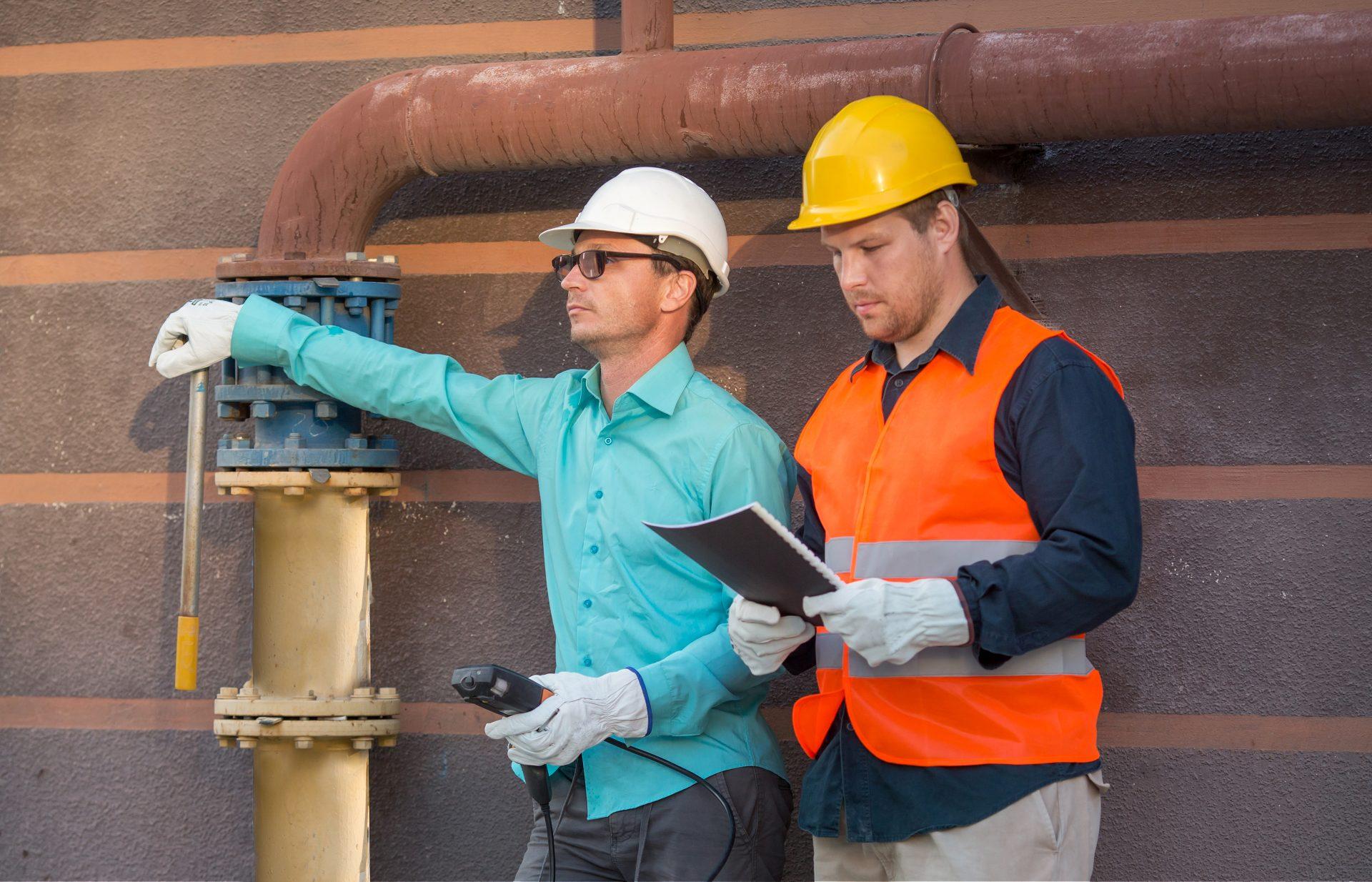
A certified professional—typically a Licensed Master Plumber (LMP)—will inspect:
- Exposed gas piping
- Gas meters and connections
- Public areas, hallways, and mechanical rooms
- Boiler rooms and service areas
Note: Inspectors are not required to enter individual apartments unless access is necessary or conditions warrant it.
What Inspectors Look For
During the inspection, the professional will check for:
- Gas leaks or corrosion
- Illegal connections
- Improper installations
- Unsafe or non-code-compliant conditions
If any issues are found, they will be classified based on severity.
Inspection Results: What Happens Next?
After the inspection, one of the following outcomes will be reported:
1. No Issues Found
- A certification is filed with the DOB
- You’re compliant until the next inspection cycle
2. Conditions Requiring Repair
- Repairs must be completed within a specified timeframe
- A follow-up inspection may be required
3. Unsafe Conditions
- Immediate action is required
- Gas service may need to be shut off until the issue is resolved
Filing Requirements
Once the inspection is complete:
- A Gas Piping System Periodic Inspection Certification (GPS1) must be filed with the DOB
- If repairs are made, additional documentation (GPS2) may be required
Failure to file on time can lead to penalties—even if the inspection was completed.
Penalties for Non-Compliance
Not complying with Local Law 152 can result in:
- Civil penalties (typically starting at $5,000)
- Additional fines for continued non-compliance
- Potential legal or safety risks
Staying ahead of deadlines is far more cost-effective than dealing with violations.
How to Prepare for Your Inspection
To ensure a smooth process:
- Hire a qualified Licensed Master Plumber early
- Clear access to gas meters and piping areas
- Notify tenants if access may be needed
- Gather previous inspection and maintenance records
Preparation helps avoid delays and repeat inspections.
Common Mistakes to Avoid
- Missing your inspection deadline
- Hiring unqualified inspectors
- Ignoring minor issues that become major problems
- Failing to file required documentation
These mistakes can lead to fines and unnecessary stress.
Why Local Law 152 Matters
Gas-related accidents can be catastrophic. Local Law 152 plays a vital role in:
- Protecting building occupants
- Preventing property damage
- Ensuring compliance with safety codes
In short, it’s about saving lives and reducing risk.
Final Thoughts
Local Law 152 gas inspections are a key responsibility for NYC property owners. By understanding the requirements, staying organized, and working with qualified professionals, you can ensure compliance and keep your building safe.
If your inspection deadline is approaching, don’t wait—schedule your inspection early and avoid last-minute issues.