In New York City, property compliance isn’t handled by just one agency—it’s a complex system involving multiple departments, each enforcing its own rules. From housing standards to environmental regulations and public health requirements, staying compliant means understanding how these agencies overlap and what they expect from you as a property owner or manager.
If you want to stay violation-free in 2026, mastering multi-agency compliance isn’t optional—it’s essential.
Understanding the Key Agencies
🏢 New York City Department of Housing Preservation and Development (HPD)
HPD focuses on housing conditions and tenant safety. This includes lead-based paint compliance, adequate heat and hot water, pest control, and general maintenance.
Common HPD Violations:
- Lead-based paint hazards
- Lack of heat or hot water
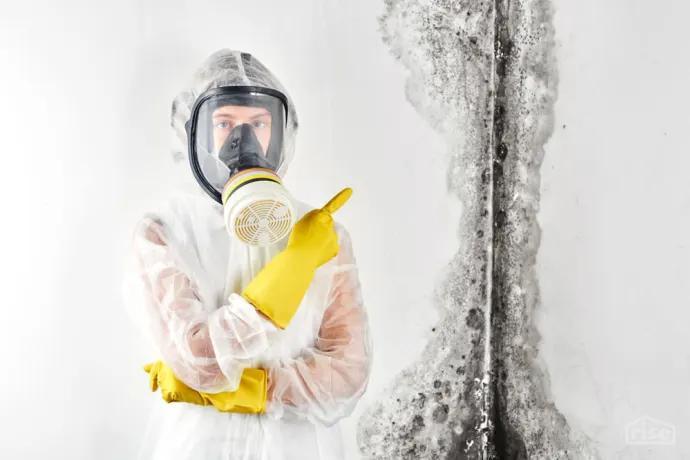
- Mold and pest infestations
- Unsafe living conditions
🏗️ New York City Department of Buildings (DOB)
DOB regulates construction, structural integrity, and building safety. Whether you're renovating or maintaining your building, DOB compliance is critical.
Common DOB Violations:
- Work without permits
- Unsafe scaffolding or construction practices
- Structural issues
- Failure to comply with Local Laws (LL11, LL126, etc.)
🌱 New York City Department of Environmental Protection (DEP)
DEP enforces environmental laws, including water usage, air quality, and noise control.
Common DEP Violations:
- Illegal sewer connections
- Excessive noise complaints
- Failure to maintain backflow prevention devices
- Air and water pollution issues
🏥 New York City Department of Health and Mental Hygiene (DOH)
DOH oversees public health concerns that impact tenants and the general public.
Common DOH Violations:
- Rodent infestations
- Unsanitary conditions
- Improper waste management
- Health hazards affecting occupants
Why Multi-Agency Compliance Matters
Each agency operates independently—but violations often overlap. For example, a pest infestation could trigger both HPD and DOH violations. Construction work without proper safety measures might involve DOB and even DEP if environmental issues arise.
Failing to address one issue can quickly snowball into multiple violations across agencies, increasing:
- Financial penalties
- Legal risk
- Tenant complaints
- Inspection frequency
The Biggest Compliance Challenges
1. Fragmented Information
Violation data is spread across different systems, making it difficult to track everything in one place.
2. Constant Regulation Updates
NYC laws evolve frequently, especially around lead inspections, parapet walls, and building safety.
3. Reactive vs. Proactive Management
Many owners only act after receiving a violation—by then, fines and risks have already escalated.
How to Stay Violation-Free
✔ Centralize Your Data
Use a system that aggregates violations from HPD, DOB, DEP, and DOH into one dashboard.
✔ Schedule Regular Inspections
Don’t wait for city inspectors—conduct routine internal checks for compliance.
✔ Stay Ahead of Local Laws
Be proactive about requirements like:
- Lead-based paint inspections
- Parapet wall inspections (Local Law 126)
- Facade inspections (Local Law 11)
✔ Act Immediately on Violations
The faster you respond, the lower your risk of penalties and escalation.
The Role of Technology in Compliance
Modern compliance platforms like CityWatch help property owners stay ahead by:
- Aggregating violations from all agencies
- Sending real-time alerts
- Tracking deadlines and inspection cycles
- Simplifying portfolio-wide compliance
Instead of juggling multiple systems, you get a single source of truth.
Final Thoughts
Staying violation-free in NYC isn’t about reacting—it’s about anticipating. When you understand how HPD, DOB, DEP, and DOH work together, you can take control of your compliance strategy and avoid costly surprises.
In 2026, the most successful property owners aren’t just compliant—they’re proactive, organized, and equipped with the right tools to manage it all.