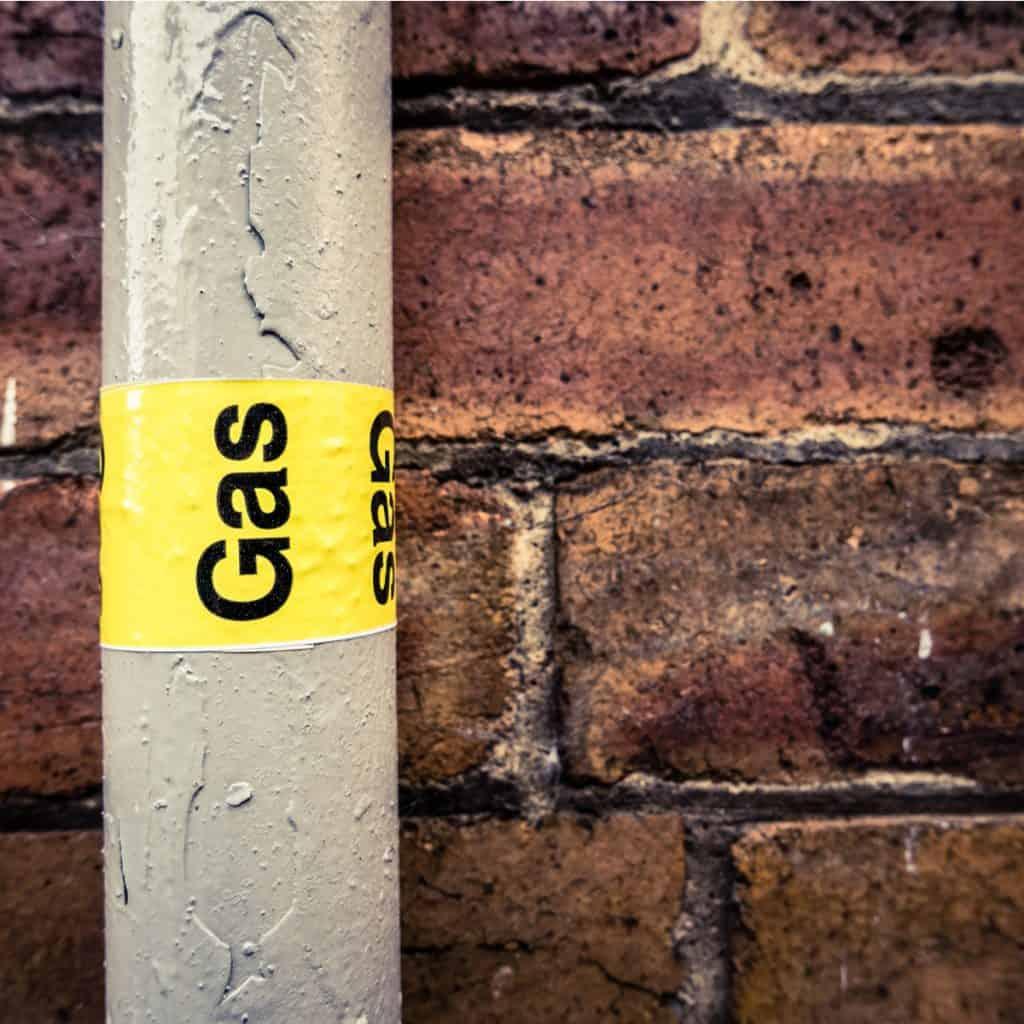
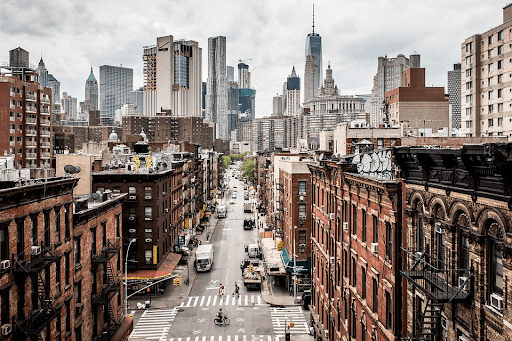
If you’re acquiring a pre-war building in New York City, charm and upside often come bundled with hidden environmental risk.
Brick façades, original piping, and vintage mechanical systems can mean one thing: lead paint exposure, asbestos-containing materials, and filing landmines like ACP-5s that surface after closing—when the liability is already yours.
This guide is built for investors and acquisition buyers who want to avoid post-close surprises and price adjustments that come too late.
Why Pre-War Buildings Carry Elevated Environmental Risk
Most buildings constructed before 1960—and many before 1978—were built using materials that are now regulated or restricted.
Common issues include:
- Lead-based paint in apartments and common areas
- Asbestos in boiler insulation, floor tiles, and pipe wrap
- Unfiled or improperly closed asbestos jobs
- Missing ACP-5 sign-offs
- Open HPD/DOB violations tied to environmental conditions
These don’t just create repair costs—they can trigger:
- Stop-work orders
- Tenant claims
- Refinancing delays
- Insurance complications
- Escrow holdbacks
Your Pre-Close Environmental Compliance Checklist
1. Pull HPD Violations for Lead Issues
Start with the New York City Department of Housing Preservation and Development.
Look for:
- Lead-based paint violations (especially Class C)
- Failure to certify corrections
- Recurrent violations in the same units
- Open mold violations that could trigger overlapping issues
If the building has children under 6 residing in units, compliance obligations are even stricter under Local Law 1.
Red flag: Multiple lead violations that were “corrected” but not properly certified.
2. Review DOB Records for ACP-5 Filings
Before closing, review records with the New York City Department of Buildings.
ACP-5 (Asbestos Control Program Form 5) is required to certify proper asbestos abatement before sign-off of certain permits.
Check for:
- Open permits requiring ACP-5
- Jobs signed off without asbestos documentation
- Withdrawn or incomplete filings
- Stop-work orders tied to asbestos
Common surprise: A renovation permit from years ago that was never properly closed because the ACP-5 was never filed.
That problem becomes yours after closing.
3. Commission an Asbestos Survey (Not Just a Phase I)
Many buyers rely solely on a Phase I Environmental Site Assessment.
Phase I is important—but it does not confirm the absence of asbestos-containing materials (ACMs).
In pre-war buildings, suspect materials include:
- Boiler and pipe insulation
- 9x9 floor tiles
- Mastic adhesives
- Plaster compounds
- Fireproofing materials
If you plan renovations post-close, unidentified asbestos can:
- Delay construction
- Increase demolition costs
- Require emergency abatement
- Trigger DOB enforcement
A pre-close asbestos survey gives negotiation leverage.
4. Verify Lead-Based Paint Compliance
Buildings built before 1960 are presumed to contain lead paint unless tested otherwise.
Before closing, confirm:
- Annual lead notices were distributed
- XRF testing has been performed (if applicable)
- Turnover work follows safe work practices
- Records are maintained properly
Failure to comply can expose owners to:
- Tenant litigation
- Treble damages
- Civil penalties
- DOH investigations
5. Check for DEP Boiler & Environmental Filings
Review compliance status with the New York City Department of Environmental Protection.
Confirm:
- Boiler registrations are current
- Annual inspections are filed
- Any cooling towers are registered and tested
- No open environmental control board violations exist
Pre-war mechanical systems often have outdated filings that go unnoticed until refinancing.
6. Look for DOH Complaints or Orders
The New York City Department of Health and Mental Hygiene may issue orders related to:
- Lead poisoning cases
- Mold hazards
- Indoor air quality
- Pest infestations
If the building has a history of DOH involvement, you need documentation showing resolution—not just verbal assurances from the seller.
7. Demand a Violation & Permit Reconciliation
Before closing:
- Match every open permit with a sign-off
- Confirm no environmental sign-offs are missing
- Verify no open OATH/ECB hearings are pending
- Require seller affidavits covering environmental representations
Many acquisition buyers discover “administrative loose ends” only when filing new permits post-close.
Negotiation Leverage: Use Findings Before You Close
Environmental findings can justify:
- Purchase price reductions
- Seller-funded remediation
- Escrow holdbacks
- Delayed closing until compliance proof is provided
Once you close, your leverage disappears.
Post-Close Reality: Why Investors Get Caught
Here’s what typically happens:
- Buyer closes based on basic due diligence.
- Renovation begins.
- Asbestos is discovered.
- DOB requests missing ACP-5 documentation.
- Work stops.
- Budget explodes.
Environmental compliance issues rarely appear on glossy rent rolls—but they directly impact IRR.
Smart Investors Add This to Every Pre-War Acquisition Model
Before underwriting value-add improvements, budget for:
- Lead compliance updates
- Asbestos abatement contingencies
- Filing clean-up costs
- Environmental consultant review
- Violation clearance
It’s cheaper to walk away from a deal than to inherit an environmental time bomb.
Final Thoughts
Pre-war buildings in New York City can be exceptional investments—but only when environmental compliance is verified before closing.
Lead paint.
Asbestos.
Unfiled ACP-5s.
These aren’t minor technicalities. They’re liability triggers.
The most sophisticated acquisition buyers don’t just inspect the boiler and roof—they audit environmental exposure with the same intensity as financials.
Because once you own it, you own the risk.