New York City continues to strengthen its lead poisoning prevention laws, and 2026 is a critical compliance year for property owners. If you own or manage a residential building in NYC, understanding whether your property is due for a lead inspection—and what the rules require—is essential to avoid violations, penalties, and potential liability.
Why Lead Inspections Matter in NYC
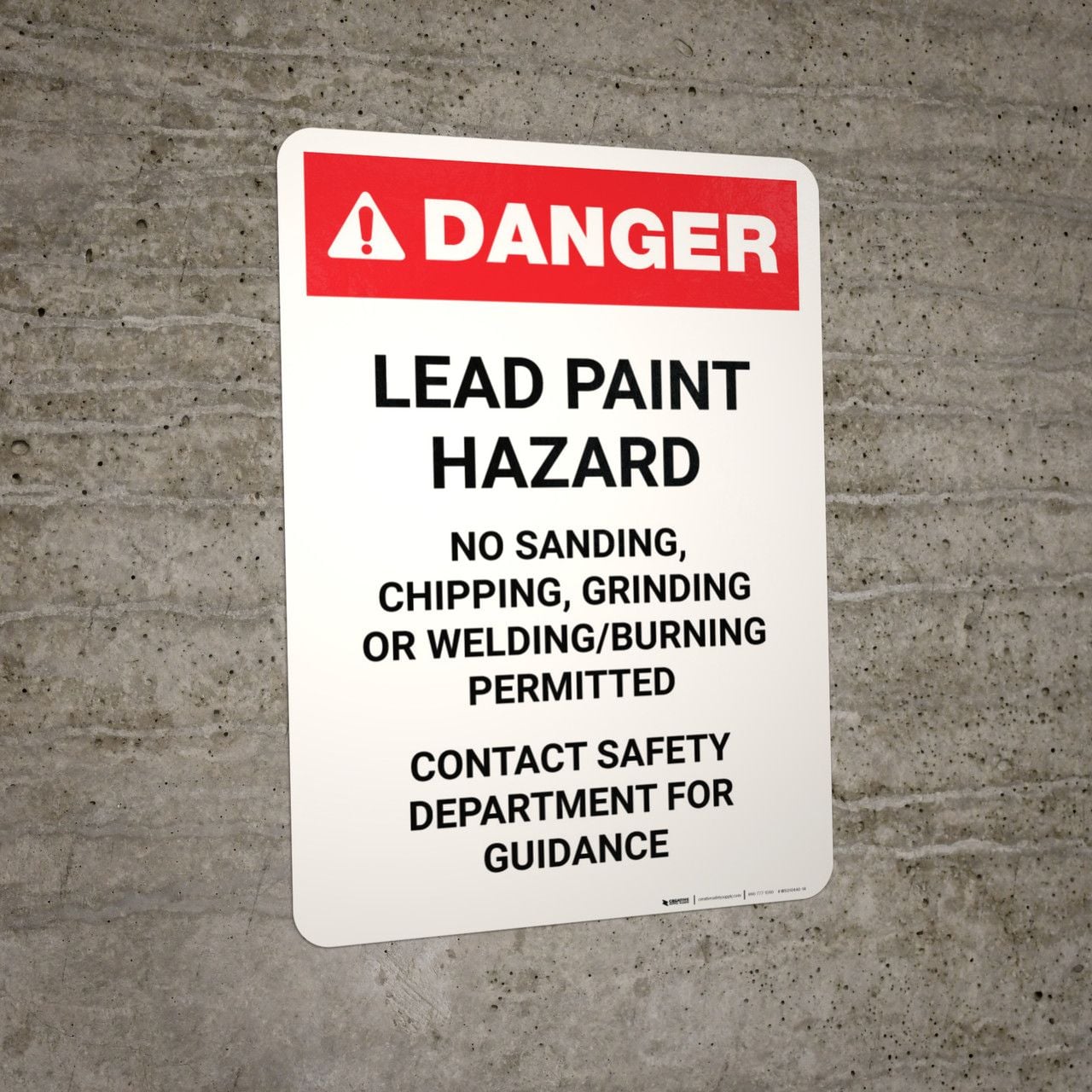
Lead-based paint remains a serious health hazard, especially for children under six. Even low levels of exposure can cause developmental delays, learning disabilities, and long-term health problems. Because many NYC buildings were constructed before 1960, the city enforces strict lead inspection and remediation requirements to reduce these risks.
Which Buildings Must Comply in 2026?
You are required to follow NYC lead inspection rules if your property:
- Was built before 1960, or between 1960 and 1978 if lead-based paint is known to be present
- Contains residential units (including rentals and co-ops)
- Is occupied by a child under the age of six, or may reasonably be expected to be occupied by one
Even if no child currently lives in the unit, owners must still follow annual notice and recordkeeping requirements.
2026 Lead Inspection Requirements Explained
In 2026, NYC continues enforcement under Local Law 1 of 2004 and related Health Code provisions. Key requirements include:
Annual Tenant Notice
Property owners must provide tenants with a lead paint notice every year, asking whether a child under six resides in the unit.
Visual Inspections
Owners must conduct annual visual inspections for peeling or deteriorated paint in all apartments and common areas.
Lead-Based Paint Testing
If a child under six lives in the unit, owners must determine whether lead-based paint is present. This typically requires XRF testing performed by a licensed professional.
Safe Work Practices
Any repairs or renovations that disturb painted surfaces must follow lead-safe work practices, even for small jobs.
What Happens If Lead Hazards Are Found?
If lead-based paint hazards are identified, owners must:
- Hire EPA-certified or NYC-licensed professionals
- Correct hazards using approved lead-safe methods
- Perform clearance testing after work is completed
- Maintain documentation for future inspections and audits
Failure to correct lead hazards can result in HPD violations, civil penalties, and emergency repairs billed directly to the owner.
Common Violations and Penalties in 2026
NYC agencies have increased enforcement in recent years. Common violations include:
- Failure to provide annual lead notices
- Incomplete or missing inspection records
- Unsafe renovation work
- Not addressing peeling paint promptly
Penalties can range from hundreds to tens of thousands of dollars, depending on severity and repeat offenses.
How to Prepare for Your 2026 Lead Inspection
To stay compliant, property owners should:
- Review building construction dates and prior lead records
- Schedule inspections with licensed lead professionals
- Train maintenance staff on lead-safe work practices
- Keep organized records of all notices, inspections, and repairs
Proactive compliance not only protects tenants but also reduces legal and financial risk.
Final Thoughts
If your building falls under NYC’s lead paint regulations, 2026 is not a year to delay compliance. Lead inspections are more than a regulatory requirement—they’re a critical step in protecting public health and maintaining safe housing.
If you’re unsure whether your property is due for inspection or need help navigating NYC lead rules, now is the time to act.