
New York City landlords are no strangers to regulation—but the current landscape is unusually intense. Three major laws—Local Law 31 (lead paint compliance), Local Law 126 (parapet inspections), and Local Law 152 (gas piping inspections)—are converging in timelines, enforcement, and operational impact.
This “collision” isn’t accidental. It reflects a broader shift toward preventive safety, environmental health, and stricter accountability. For landlords, however, it creates a complex web of responsibilities that demand careful planning and execution.
The Three Laws, Briefly Explained
Local Law 31: Lead Paint Transparency and Testing
Local Law 31 expands NYC’s lead safety requirements by lowering the threshold for what qualifies as lead-based paint. It also mandates more proactive testing in apartments, especially those with young children. The goal is simple but critical: reduce lead exposure risks before they become health crises.
Local Law 126: Annual Parapet Inspections
Local Law 126 requires yearly inspections of parapets on buildings facing public spaces. Unlike older facade laws that applied mostly to taller buildings, this one captures a much broader range of properties—including smaller residential buildings.
Local Law 152: Gas Piping Inspections
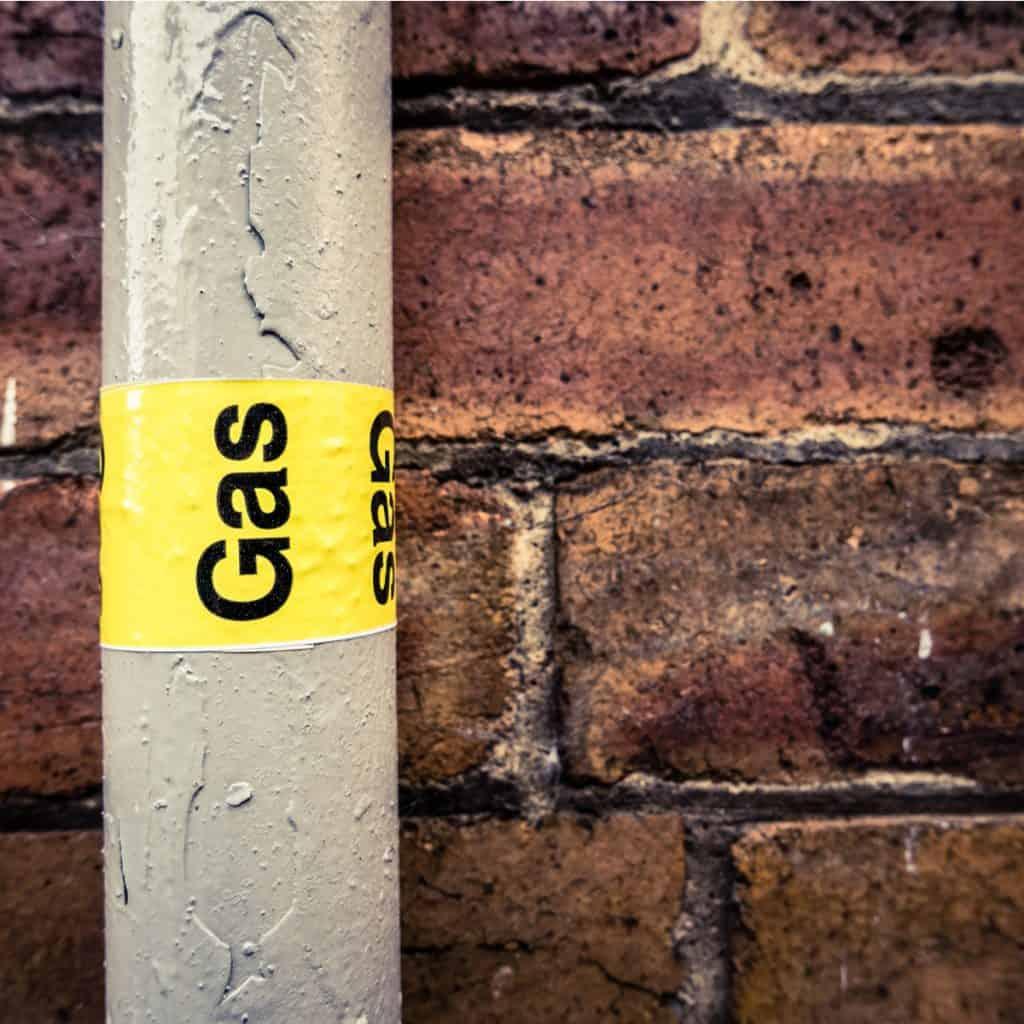
Local Law 152 mandates periodic inspections of gas piping systems, typically every four years, to detect leaks or unsafe conditions. With gas-related incidents posing serious risks, the city is pushing for routine, preventive checks rather than reactive fixes.
Why These Laws Are “Colliding”
1. Overlapping Compliance Timelines
Many landlords are finding that deadlines for these laws fall within the same general period. That means juggling multiple inspections, contractors, and filings—often within a single fiscal year.
2. Increased Enforcement Pressure
NYC agencies are stepping up enforcement across the board. Violations for non-compliance can lead to fines, legal exposure, and in some cases, emergency repair orders. When multiple laws apply simultaneously, the margin for error shrinks significantly.
3. Operational Bottlenecks
Each law requires qualified professionals—inspectors, engineers, or certified contractors. As demand rises citywide, scheduling becomes more difficult, costs increase, and delays become more likely.
4. Financial Strain
Individually, each law is manageable. Together, they can significantly impact a building’s operating budget. Costs may include:
- Inspection fees
- Laboratory testing (for lead)
- Repair and remediation work
- Administrative and compliance management
For smaller landlords, especially, this convergence can feel overwhelming.
What This Means for NYC Landlords
A Shift to Proactive Management
Reactive property management is no longer viable. Landlords must anticipate compliance needs, schedule inspections early, and budget for ongoing maintenance rather than one-time fixes.
Greater Legal and Financial Risk
Non-compliance is more than a paperwork issue—it can lead to tenant lawsuits, city penalties, and reputational damage. With multiple laws in play, risks compound quickly.
The Need for Integrated Compliance Strategies
Handling each law separately is inefficient. Smart landlords are bundling efforts—for example:
- Coordinating inspections to minimize tenant disruption
- Working with firms that can handle multiple compliance areas
- Maintaining centralized records for all regulatory requirements
Tenant Relations Are Now Part of Compliance
Lead testing requires apartment access. Gas inspections may require temporary service interruptions. Even parapet repairs can impact daily life. Clear communication with tenants is now essential—not optional.
Strategies to Stay Ahead
1. Build a Compliance Calendar
Map out deadlines for all applicable laws and plan at least 6–12 months ahead. This helps avoid last-minute scrambling and premium contractor fees.
2. Budget Realistically
Set aside funds not just for inspections, but for potential repairs. Preventive budgeting is far less painful than emergency spending.
3. Partner with Experts
Working with experienced compliance professionals can streamline the process and reduce the risk of costly mistakes.
4. Digitize Documentation
Keep all reports, certifications, and communications organized and easily accessible. This is crucial for audits, inspections, and legal protection.
The Bigger Picture
The convergence of LL31, LL126, and LL152 signals a clear direction: NYC is prioritizing health, safety, and prevention across all types of buildings. While this raises the bar for landlords, it also creates safer living environments and more resilient properties.
For those who adapt early, there’s an upside—fewer emergencies, better tenant trust, and stronger long-term asset value.
Final Thoughts
The “collision” of these three laws may feel like a regulatory storm, but it’s also an opportunity to modernize how buildings are managed. Landlords who take a strategic, organized approach will not only stay compliant—they’ll be better positioned in an increasingly regulated market.
In NYC today, compliance isn’t just a requirement. It’s becoming a core part of responsible property ownership.