Property owners across New York City face increasing responsibilities when it comes to lead paint compliance, and Local Law 31 has significantly raised the stakes. Designed to protect residents—especially young children—from the dangers of lead exposure, the law requires proactive lead-based paint inspections and thorough documentation for covered properties.
Unfortunately, many property owners make costly mistakes that can lead to violations, penalties, legal liability, and tenant disputes. Understanding these common pitfalls can help landlords stay compliant and protect both their investments and their residents.
1. Waiting Too Long to Schedule XRF Testing
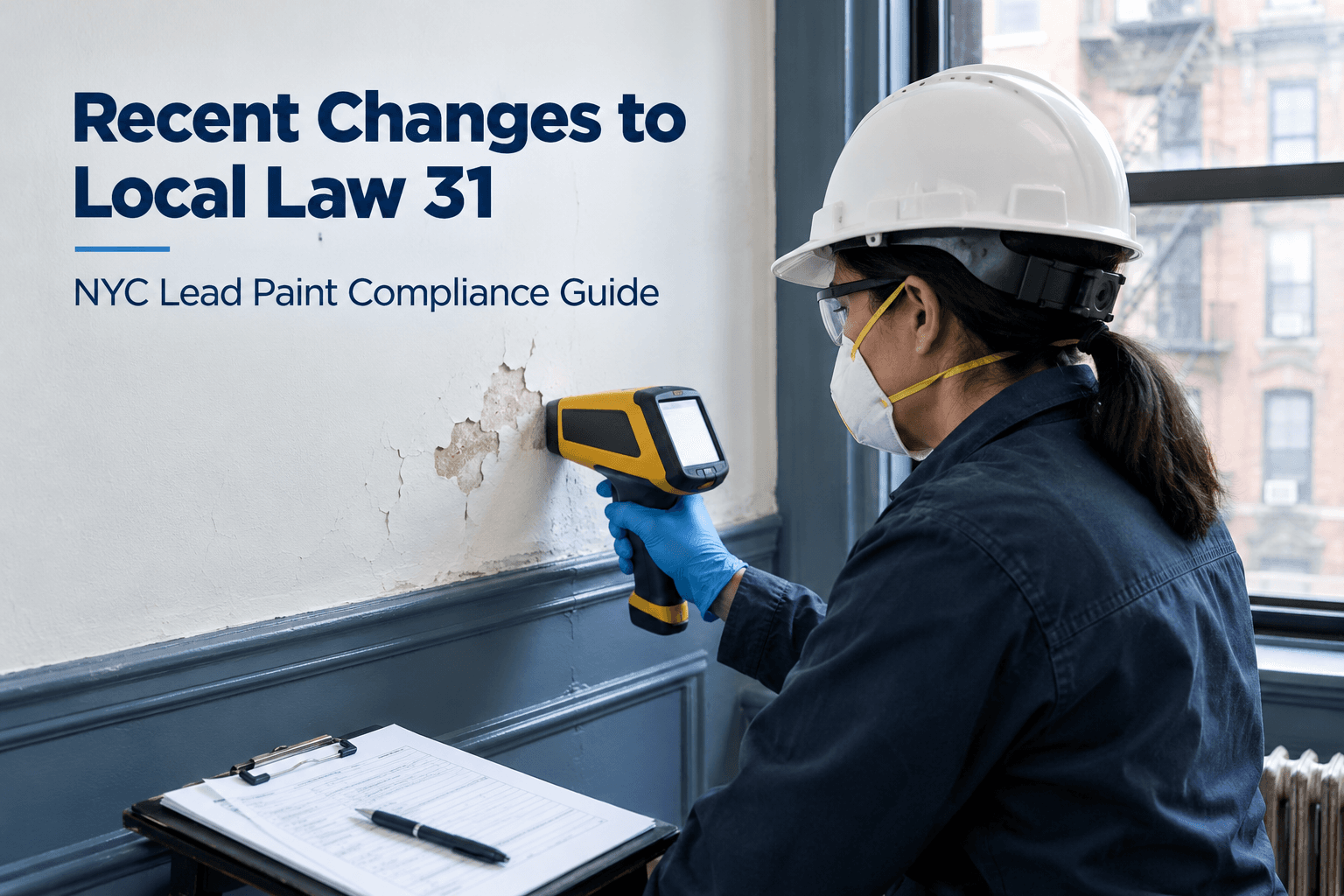
One of the most common mistakes is delaying lead paint inspections until the last minute. Local Law 31 requires X-ray fluorescence (XRF) testing in covered residential buildings to identify the presence of lead-based paint. Property owners who postpone inspections often face scheduling bottlenecks, missed deadlines, and increased compliance risks.
Proactive planning allows owners to address any lead hazards before they become violations.
2. Assuming Renovations Eliminated All Lead Paint
Many landlords believe that past renovations automatically removed all lead-based paint hazards. However, unless certified testing confirms the absence of lead paint, assumptions can be dangerous.
Even buildings that have undergone extensive upgrades may still contain lead-based paint beneath newer layers of paint or within original building components. Relying on assumptions instead of verified testing can result in unexpected compliance issues.
3. Failing to Keep Proper Records
Documentation is a critical component of Local Law 31 compliance. Some property owners complete inspections but fail to maintain organized records of testing results, remediation work, certifications, and tenant notifications.
Without proper documentation, owners may struggle to prove compliance during audits, inspections, or legal disputes. Maintaining comprehensive records is essential for long-term protection.
4. Using Unqualified Contractors
Lead-related work requires specialized training and certifications. Hiring contractors who lack the appropriate qualifications can expose property owners to significant liability.
Improper lead paint disturbance during repairs or renovations can create hazardous conditions for tenants and increase the likelihood of violations. Always verify certifications and experience before hiring professionals for lead-related projects.
5. Ignoring Deteriorating Paint Conditions
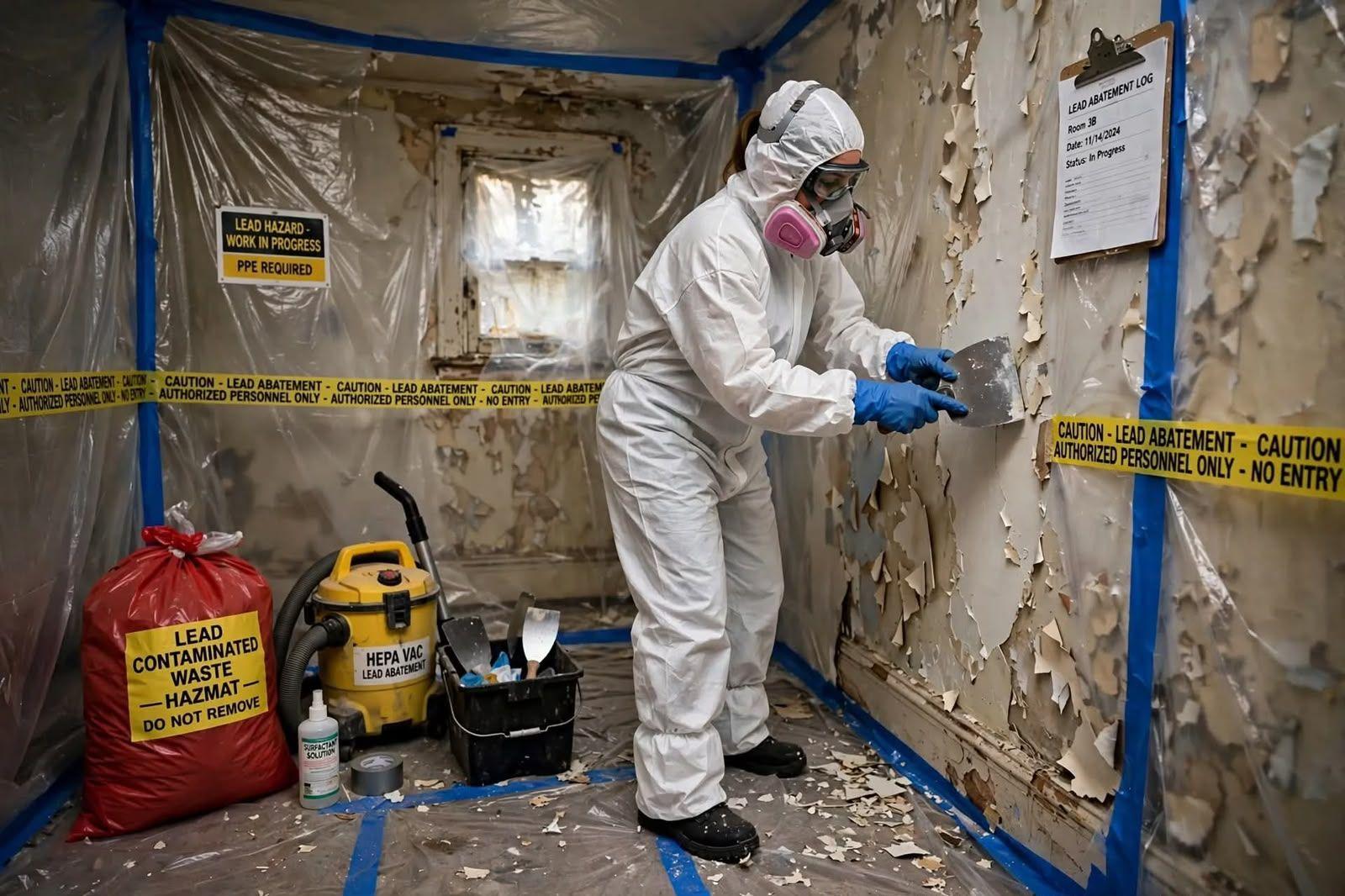
Peeling, chipping, or damaged paint is often a warning sign that requires immediate attention. Some owners delay repairs because the damage appears minor, but deteriorating paint can quickly become a serious health hazard.
Prompt maintenance and regular property inspections can help identify issues before they escalate into costly remediation projects or enforcement actions.
6. Overlooking Common Areas
Many property owners focus exclusively on individual apartments and forget that common areas may also fall under compliance requirements. Hallways, stairwells, lobbies, and other shared spaces should be included in inspection and maintenance programs.
A lead hazard in a common area can expose multiple residents and create significant compliance concerns.
7. Not Communicating with Tenants
Effective communication is an often-overlooked aspect of compliance. Tenants should understand inspection schedules, remediation plans, and any temporary precautions required during lead-related work.
Clear communication helps build trust, reduces complaints, and ensures smoother compliance efforts.
8. Treating Compliance as a One-Time Project
Some property owners believe that once testing is completed, their responsibilities end. In reality, lead paint compliance requires ongoing attention.
Regular inspections, proper maintenance, record retention, and safe work practices remain essential long after initial testing is completed. Property owners who view compliance as an ongoing process are far better positioned to avoid future violations.