Lead abatement is an important step in protecting your family from the health risks associated with lead-based paint, especially in older homes and buildings. Proper preparation helps ensure the project runs smoothly, minimizes contamination, and keeps everyone safe throughout the process.
1. Hire Qualified Lead Abatement Professionals
Before starting the project, hire qualified professionals who understand lead safety requirements and applicable local regulations. They can assess the affected areas, develop a safe work plan, and determine the appropriate methods for removing or containing lead-based paint.
2. Remove Furniture and Personal Belongings
Clear furniture, toys, clothing, food, and other personal belongings from the work area. Items that cannot be removed should be securely covered with appropriate protective materials. This helps prevent lead dust from contaminating your belongings.
3. Keep Children and Pets Away
Children and pets are particularly vulnerable to lead exposure. Arrange for them to stay away from the work area, and consider temporary relocation if the project affects essential living spaces. Follow the contractor's instructions regarding restricted areas and re-entry.
4. Prepare the Work Area
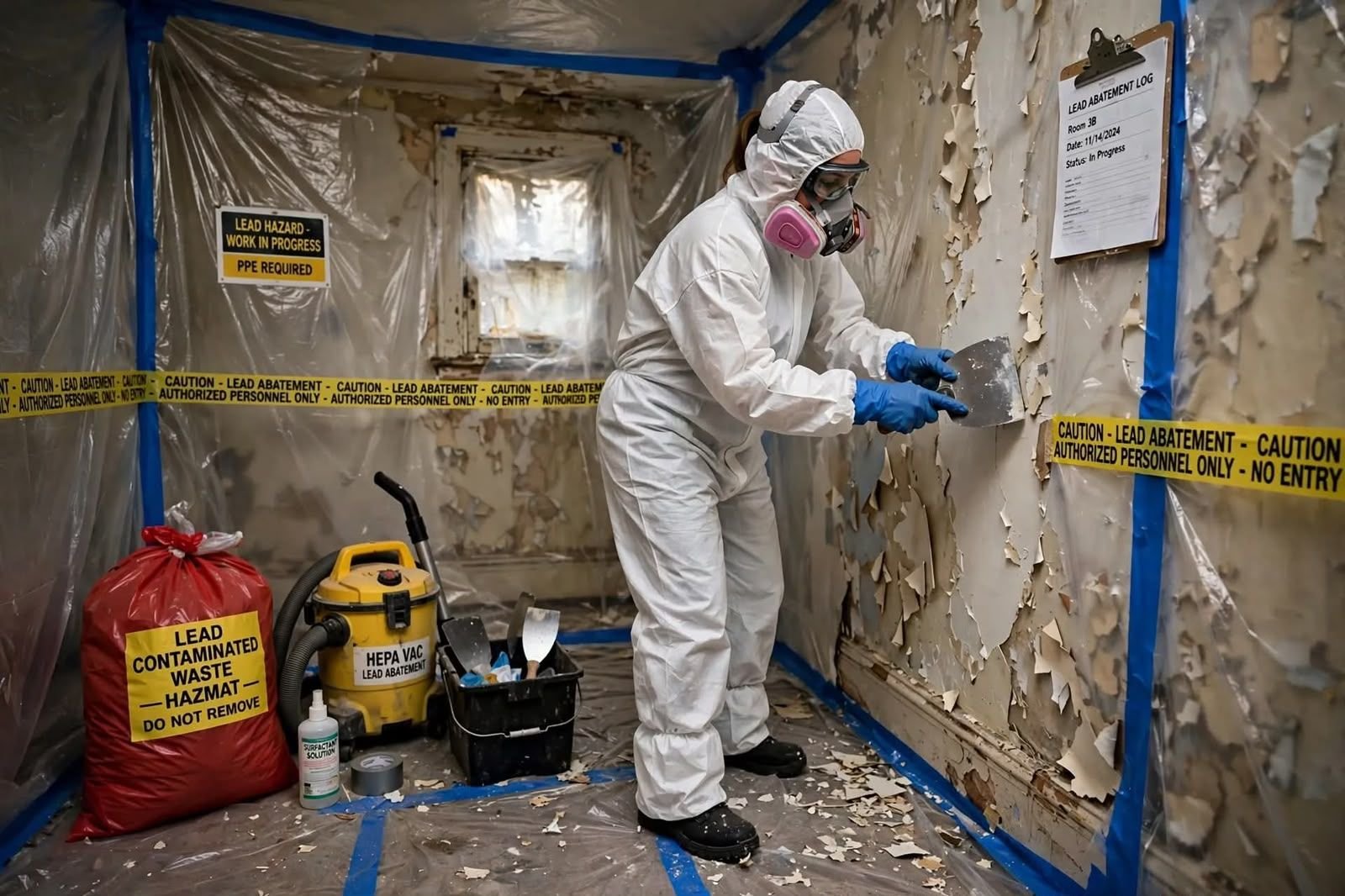
Lead abatement professionals will establish containment barriers and use protective coverings to prevent lead dust from spreading to other parts of the home. Avoid entering restricted areas or disturbing protective barriers while work is underway.
5. Protect Your Family's Health
Discuss safety procedures with your contractor before the project begins. Depending on the condition of the home, you may need to adjust your daily routine or temporarily relocate. Never attempt to dry-sand, scrape, or remove suspected lead-based paint yourself, as these activities can release hazardous dust.
6. Plan for Cleanup and Clearance Testing
After the work is completed, the contractor should follow appropriate cleanup procedures. Depending on the project and applicable requirements, a qualified professional may need to conduct a clearance examination or dust-wipe testing before the area can be safely reoccupied.
Conclusion
Preparing your home for a lead abatement project helps protect your family, reduce the risk of contamination, and support a successful outcome. By clearing the work area, following safety instructions, and hiring qualified professionals, homeowners can take an important step toward creating a healthier living environment.
Need professional lead inspection or abatement guidance? Working with experienced professionals can help you understand your property's lead-related risks and determine the appropriate next steps for a safer home.