Everything You Need to Know to Stay Compliant and Protect Your Tenants
Lead exposure remains one of the most serious environmental health risks — especially for young children. New York City has some of the most comprehensive lead safety laws in the country, and 2026 is the year many of the key deadlines and compliance requirements take full effect. Whether you own a pre-1960 building or manage housing where children live or visit, it’s critical to understand your legal obligations.
Why NYC Takes Lead So Seriously
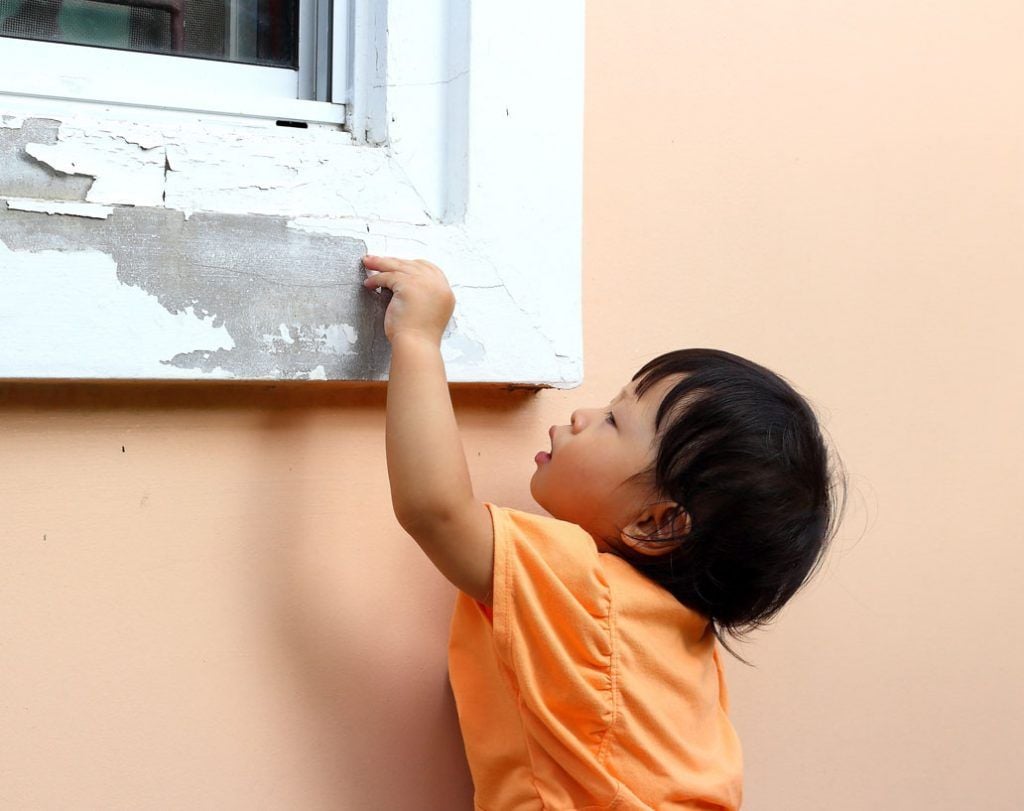
Lead-based paint was used widely in buildings before it was banned in 1978. When paint deteriorates or is disturbed, it releases fine lead dust that can be inhaled or ingested — posing major risks, especially for children under six, including developmental delays and lifelong health issues. NYC’s lead laws are designed to identify, monitor, and remediate hazards before harm occurs.
1. The Foundation: Local Law 31 and Lead Inspections
At the core of NYC’s lead rules is Local Law 31 of 2020, which requires lead-based paint inspections in most pre-1960 residential buildings. These inspections must be conducted using an X-Ray Fluorescence (XRF) analyzer by an EPA-certified inspector or risk assessor who is independent of remediation contractors.
👉 Who Must Comply
- Owners of buildings built before 1960
- Buildings built 1960–1978 if they have known or suspected lead paint
- All dwelling units and common areas must be tested unless an exemption applies
👉 Inspection Deadline
- All testing must be completed by August 9, 2025, or
- Within one year after a child under six moves into a unit (if that’s sooner)
Although the original deadlines were set before 2026, the laws continue to be enforced — and you must be fully compliant going into 2026.
2. What the Inspection Involves
An EPA-certified inspector will use an XRF device to check painted surfaces throughout a unit and common areas. Unlike visual checks alone, XRF testing detects the presence of lead particles without damaging surfaces. This identifies precisely where lead exists so owners can monitor and address hazards appropriately.
If an inspection finds lead-based paint, you must keep detailed records — including the inspector’s credentials, test results, and location of lead surfaces — for at least 10 years.
3. What Happens After Lead Is Found
Testing positive for lead doesn’t automatically mean you must remove it — the condition of the paint matters:
🟡 If Paint Is Intact
- If the paint is not peeling or deteriorated, and there’s no child under six in the unit, you can monitor the condition until required remediation is triggered (e.g., during turnover).
🔴 If Paint Is Deteriorated or a Child Lives There
- Owners must remediate the lead hazard immediately using certified contractors and lead-safe work practices.
Lead hazards in common areas also trigger remediation when they are deteriorated and children reside in the building.
4. Annual Notices, Recordkeeping & Enforcement
NYC laws include ongoing requirements:
📌 Annual Notices & Investigations
- Owners must provide annual notices asking if children under six reside in units and conduct visual investigations when hazards are known or reported.
🗂 Recordkeeping
- Keep all records for 10 years, including inspection reports, XRF testing data, and remediation documentation. These must be provided to HPD upon request.
🚨 Enforcement & Penalties
- Failure to comply can result in Class “C” immediately hazardous violations and civil penalties that may range from $1,000 to $5,000 per violation.
5. Remediation Deadlines Under Newer Local Laws
Several local laws passed in 2023 expanded remediation requirements:
- Local Law 123 mandates abatement (removal of lead paint) on friction surfaces and hazard remediation within defined timelines once a child under six resides in a unit.
This means that even if inspection and testing deadlines have passed, remediation and hazard control timelines extend into 2026 and beyond.
6. Lead-Free Exemptions
If your XRF testing finds no lead-based paint above the threshold, you can apply for a Lead-Free Exemption — which may reduce some future testing and annual notice obligations.
Why This Matters in 2026
By 2026, most property owners should already have completed the core inspection and testing deadlines — but:
- Recordkeeping and compliance enforcement are fully active
- Remediation obligations for occupied units with young children continue
- HPD is auditing compliance and issuing violations where requirements aren’t met
Failing to stay on top of these rules can lead to costly penalties, enforcement actions, and most importantly — risk to residents’ health. Ensuring your property meets NYC lead inspection laws protects both your tenants and your investment.
Final Takeaway
NYC’s lead inspection laws are no longer on the horizon — they are here. If your building is covered by Local Law 31, Local Laws 111 and 123, and the century-old Local Law 1 framework, you need:
✔ EPA-certified XRF inspections completed
✔ Lead hazards documented and remediated
✔ Annual notices and visual investigations conducted
✔ Comprehensive records maintained for at least 10 years
Doing so isn’t just about compliance — it’s about protecting families, especially the most vulnerable, from one of the most serious environmental health hazards inside the home.