
Blog & Resources

Stay informed about environmental testing, safety regulations, and industry best practices. Expert insights from ESS professionals.

Showing 8 of 65 articlesPage 4 of 8
new york buildings
1 min read

"LL31 + LL126 + LL152: The Triple Compliance Problem Facing NYC Landlords in 2025–2026"

In New York City, 2025–2026 is shaping up to be a convergence year for landlords. Between Local Law 31 lead reporting enforced by the New York City Department of Housing Preservation and Development and Local Laws 126 and 152 overseen by the New York City Department of Buildings, owners are facing overlapping inspections, documentation demands, and potential capital repairs. Without a coordinated plan, these three laws can quickly turn into a costly triple compliance problem.

new york buildings
1 min read

Buying a Pre-War Building in NYC? Your Environmental Compliance Checklist Before You Close

Buying a pre-war building in New York City can unlock serious upside—but it can also come with hidden environmental liabilities. From lead-based paint violations flagged by the New York City Department of Housing Preservation and Development to missing asbestos sign-offs required by the New York City Department of Buildings, many investors discover costly surprises only after closing. This checklist helps acquisition buyers uncover lead, asbestos, and ACP-5 risks before they become post-close problems.

city watch
1 min read

"How to Stack HPD, DOB, DEP, and DOH Compliance Into One Annual Plan (Instead of Scrambling)"

Managing property in New York City means juggling requirements from New York City Department of Housing Preservation and Development, New York City Department of Buildings, New York City Department of Environmental Protection, and New York City Department of Health and Mental Hygiene—often on overlapping timelines. Instead of reacting to violations and scrambling before deadlines, building owners can stack inspections, filings, and preventive maintenance into one streamlined annual plan that reduces fines, lowers costs, and keeps properties consistently compliant.

local law 152
1 min read

NYC Local Law 152 Gas Inspections: What Every Building Owner Must Know Before the Deadline

If you own a building in New York City, complying with Local Law 152 isn’t optional. The law requires periodic gas piping inspections to ensure safety and prevent hazardous leaks— and missing your deadline can result in steep penalties. Here’s what every building owner needs to know to stay compliant, avoid violations, and protect their property before the next inspection deadline.

NYC Local Law Compliance Calendar infographic showing key deadlines for property owners including Local Law 31 lead paint, Local Law 55 mold, Local Law 152 gas piping, FISP facade inspections, asbestos, and Local Law 97 energy emissions — by Environmental Safeguard Solutions
1 min read

The NYC Local Law Compliance Calendar: Every Deadline Property Owners Need to Know

New York City property owners face dozens of local law deadlines each year — from lead paint inspections and mold compliance to gas piping, facade safety, and carbon emissions reporting. This guide maps out every major NYC local law timeline, penalty, and deadline so you can stay compliant and avoid costly violations.

Mold
1 min read

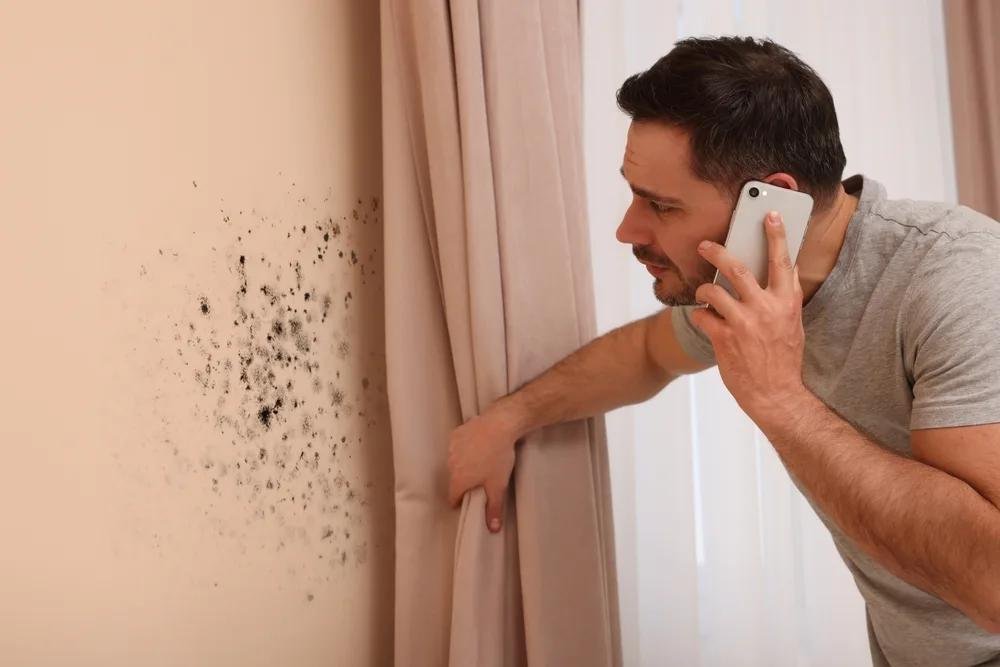
The Hidden Mold Problem in NYC Buildings: What Every Resident Should Know

Mold issues in NYC apartments are more common than you think — and tenants have rights. Understanding the causes, health risks, and landlord responsibilities can help you take action before a small problem becomes a serious one.

Lead Paint Hazard
1 min read

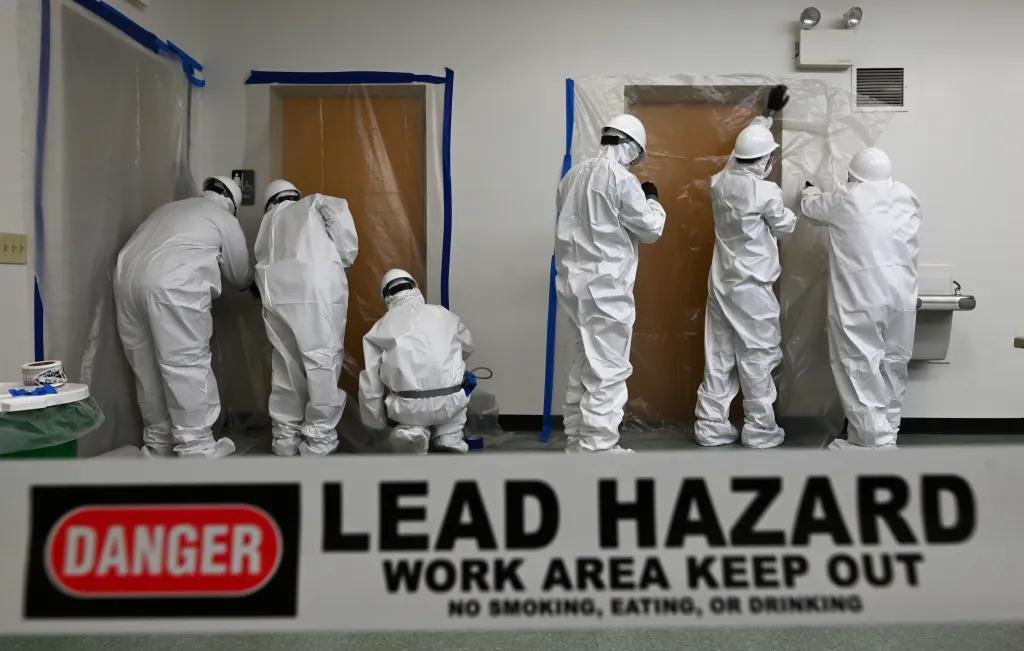
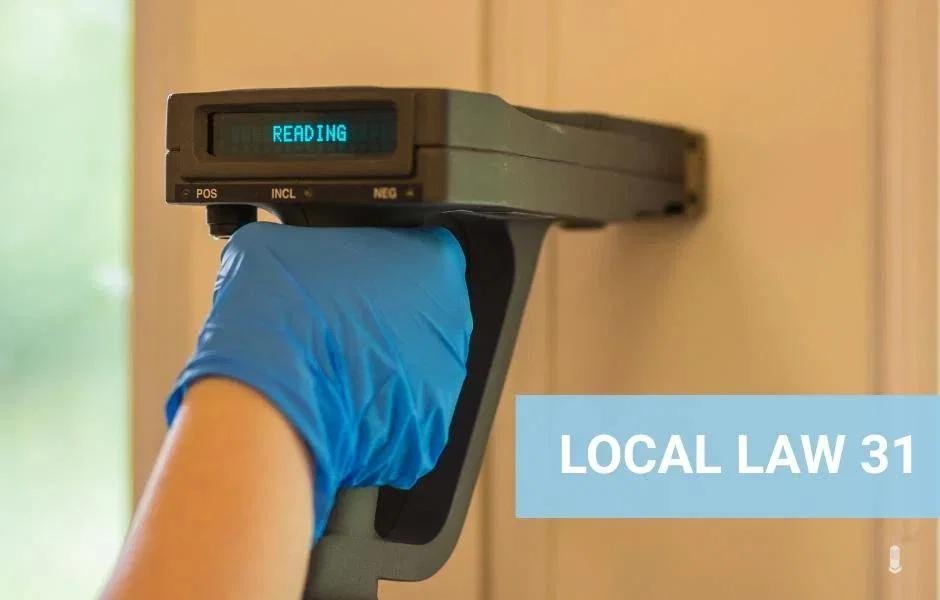
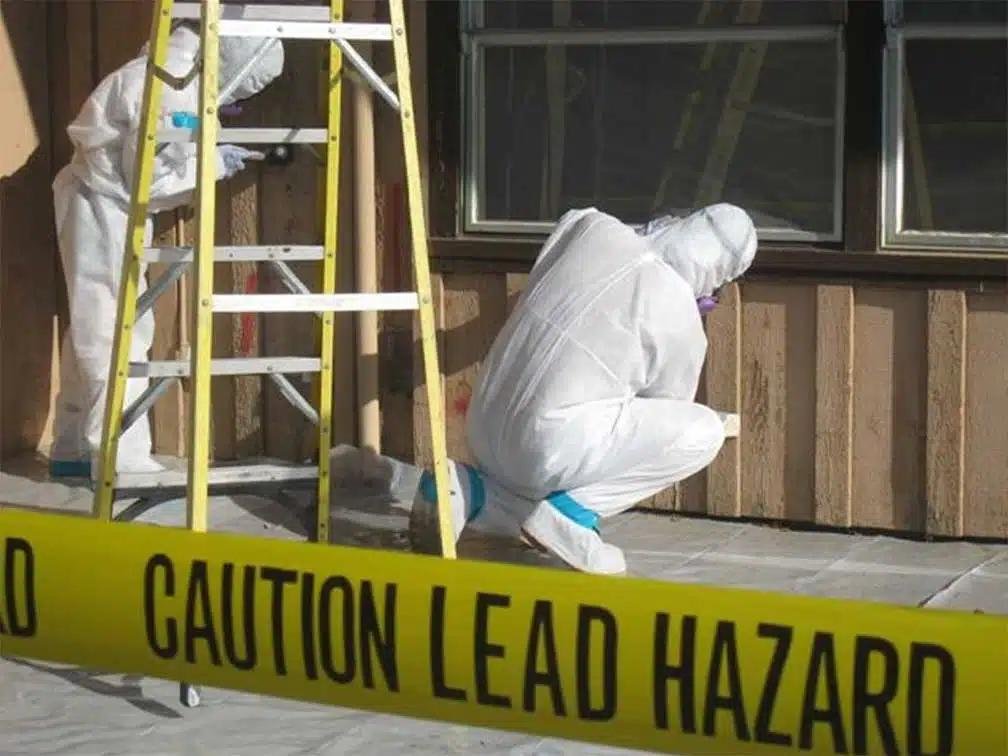
Why Annual Lead Paint Reporting Matters More Than Ever in NYC

In New York City, annual lead paint reporting has become a critical compliance obligation for owners of pre-1960 residential buildings. Under Local Law 31 of 2020, landlords must certify inspections, tenant notifications, and hazard corrections each year—creating a documented compliance history that can directly impact enforcement actions and liability exposure. With increased oversight from city agencies and rising litigation trends, accurate and timely reporting is more important than ever.

HPD violations
1 min read

Understanding the Different Types of HPD Violations in NYC

HPD violations in NYC range from minor non-hazardous issues to immediately dangerous conditions. Understanding Class A, B, and C violations—along with lead, heat, and safety requirements—helps property owners stay compliant, avoid fines, and protect tenant safety.

Ready to Get Started?

Contact us today for a free consultation and quote. We're here to help ensure your property is safe and compliant.