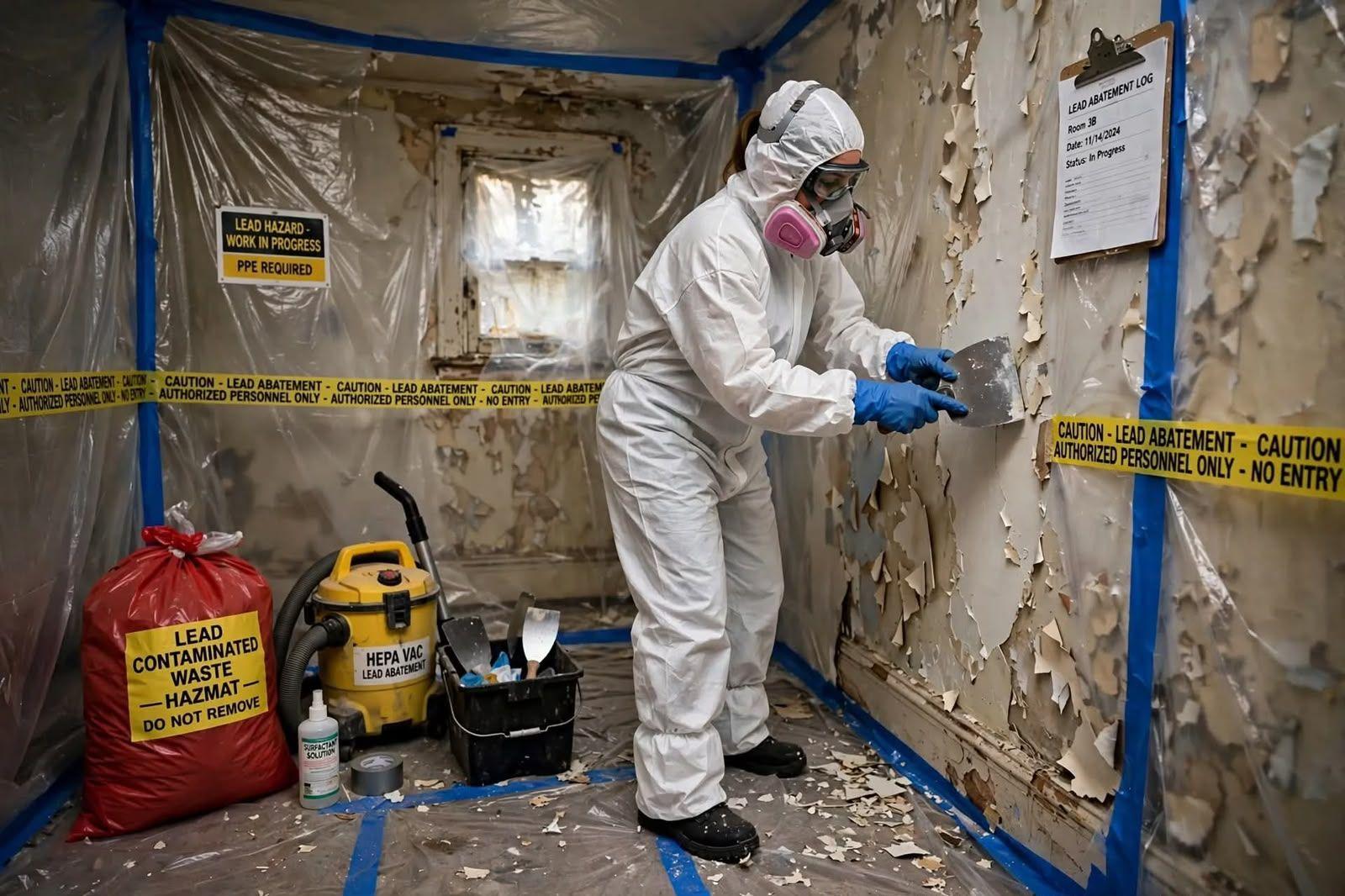
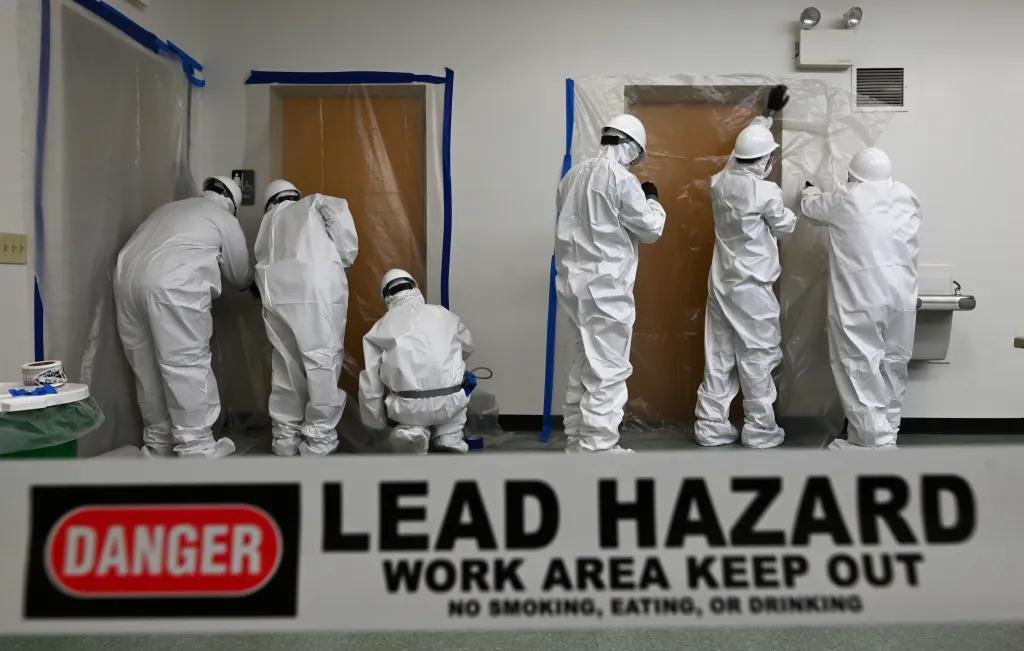
Completing a lead abatement project is a major step toward creating a healthier and safer environment. Whether the work involved removing lead-based paint, replacing contaminated materials, or sealing hazardous surfaces, there are a few important steps that follow before the property is considered ready for everyday use.
1. A Thorough Cleanup
After the abatement work is finished, professionals carefully clean the entire work area. This isn't an ordinary cleaning—it involves specialized methods, such as HEPA vacuuming and wet wiping, to remove fine lead dust that may have settled during the project.
2. Clearance Testing
The next step is clearance testing. A certified inspector or risk assessor collects dust samples from the treated areas to determine whether lead levels meet safety standards. This independent testing helps ensure the space is safe to reoccupy.
If the property doesn't pass the first inspection, additional cleaning is performed, followed by another round of testing until the required standards are met.
3. Documentation and Records
Once the property passes clearance, you'll receive documentation confirming that the lead abatement was successfully completed. These records can be valuable for homeowners, property managers, and future buyers, as they demonstrate that the property has been professionally treated.
4. Ongoing Maintenance
Even after successful lead abatement, regular maintenance is still important. Painted surfaces should be kept in good condition, and any signs of peeling, chipping, or deterioration should be addressed promptly to prevent future exposure.
Routine inspections are especially recommended for older homes where other areas may still contain lead-based materials that were not part of the original project.
5. Safe Reoccupation
Once clearance testing is complete and the property has been approved, residents can safely return to the space. Families with young children, pregnant women, and pets can have greater peace of mind knowing that the lead hazards have been properly addressed.
Final Thoughts
Lead abatement is more than just removing hazardous materials—it's about ensuring the property remains safe for years to come. Proper cleanup, independent clearance testing, detailed documentation, and ongoing maintenance all play an important role in protecting the health of everyone who lives or works in the building.
By understanding what happens after lead abatement is complete, property owners can feel confident that they've taken the right steps toward creating a safer, healthier environment.