Discovering mold in a property can be stressful for any owner, landlord, or property manager. Whether the inspection was triggered by visible mold growth, water damage, tenant complaints, or indoor air quality concerns, the next steps are often unclear.
Many property owners in New York City ask the same question after the inspection is complete: What happens now?
The answer depends on the inspection findings, the severity of the mold issue, and the source of moisture causing the problem. Understanding the post-inspection process can help you respond quickly, protect your property, and avoid larger structural or health-related issues down the road.
This guide explains what property owners can expect after a professional mold inspection in NYC.
Understanding the Mold Inspection Report
After the inspection, the inspector or environmental professional typically prepares a detailed report outlining their findings.
The report may include:
- Areas inspected
- Visible mold growth observations
- Moisture readings
- Air quality test results
- Surface sample results
- Photographs
- Identification of water intrusion sources
- Recommendations for remediation or repairs
The goal of the report is to provide a clear picture of the property’s current condition and identify what actions may be necessary.
Some reports may classify the issue based on severity, while others focus on moisture conditions and contamination levels.
Reviewing Mold Testing Results
If air or surface samples were collected during the inspection, laboratory analysis is usually completed within a few days.
The results may identify:
- Types of mold spores present
- Concentration levels indoors
- Comparison between indoor and outdoor air quality
- Areas with elevated mold activity
It is important to remember that mold spores naturally exist in most environments. The concern arises when indoor spore levels become significantly elevated or when active mold growth is discovered inside the property.
An experienced mold professional can help explain whether the results indicate a normal condition or a problem requiring remediation.
Identifying the Moisture Source
One of the most important steps after a mold inspection is identifying and correcting the source of moisture.
Mold problems rarely disappear permanently unless the moisture issue is resolved first.
Common moisture sources in NYC properties include:
- Roof leaks
- Plumbing leaks
- Foundation seepage
- Poor ventilation
- HVAC condensation
- Flooding
- Window leaks
- High indoor humidity
Without fixing the underlying cause, mold can quickly return even after cleanup efforts are completed.
Determining Whether Mold Remediation Is Needed
Not every mold issue requires large-scale remediation. Small isolated areas may sometimes be handled through routine cleaning and moisture control.
However, professional remediation is often recommended when:
- Mold covers a large area
- Mold exists behind walls or ceilings
- Water damage is extensive
- HVAC systems are contaminated
- Occupants report health symptoms
- Structural materials are affected
- Multiple areas show recurring growth
In NYC, larger mold remediation projects may also involve compliance with specific local and state regulations regarding containment, removal procedures, and worker protections.
What Happens During Mold Remediation
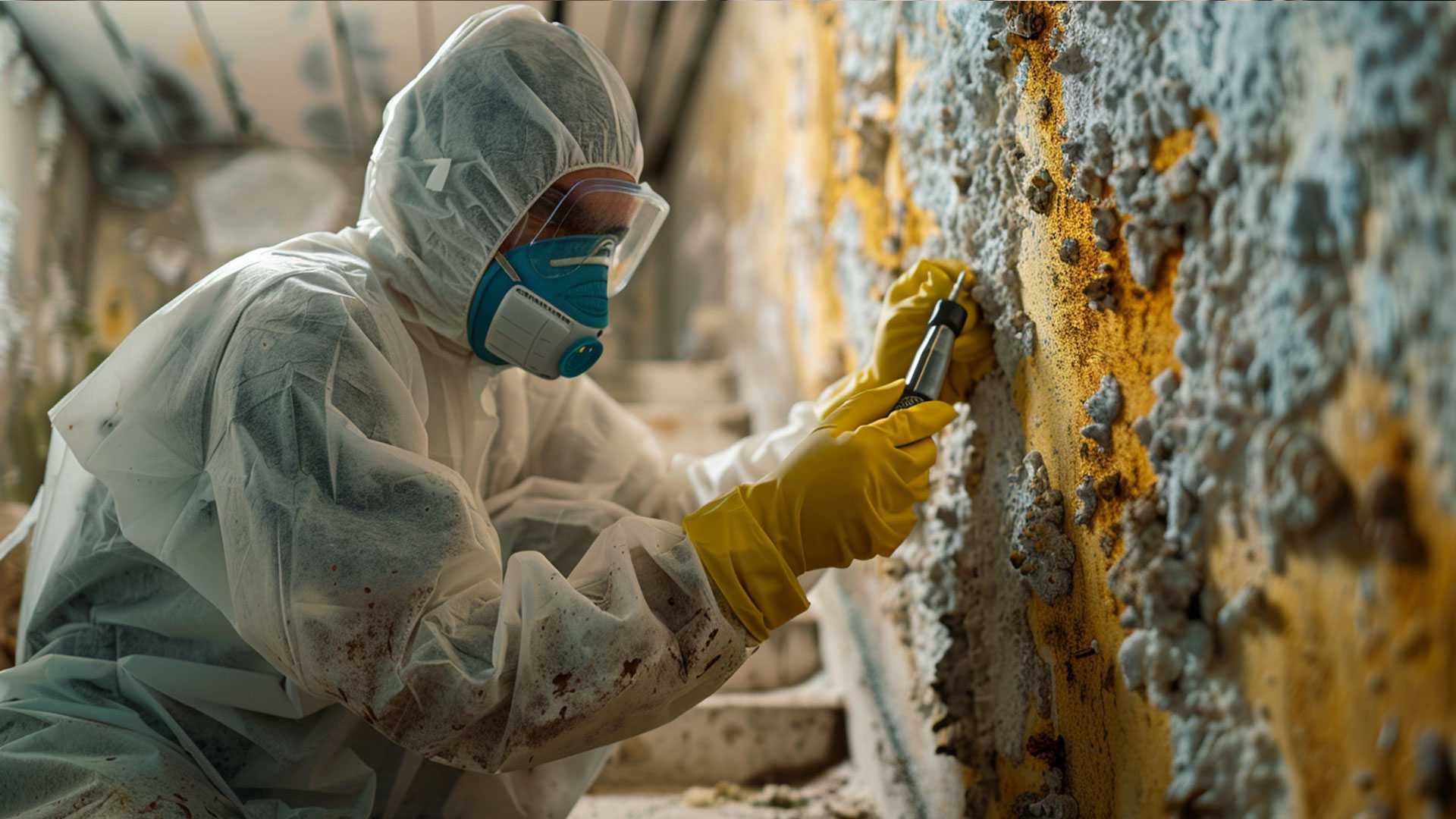
If remediation is required, the process generally involves removing contaminated materials, controlling airborne spores, and addressing moisture issues.
Professional remediation teams may perform:
Containment Setup
Containment barriers help prevent mold spores from spreading to unaffected areas during removal.
Air Filtration
HEPA filtration systems are commonly used to capture airborne particles and improve indoor air quality.
Removal of Damaged Materials
Depending on the severity of contamination, crews may remove:
- Drywall
- Insulation
- Ceiling tiles
- Flooring
- Carpeting
- Wood materials
Cleaning and Sanitizing
Non-porous surfaces are cleaned using specialized antimicrobial treatments and HEPA vacuuming methods.
Moisture Corrections
Repairs may be completed to resolve leaks, drainage issues, or ventilation problems contributing to mold growth.
Post-Remediation Verification Testing
After remediation work is completed, many property owners choose to schedule post-remediation verification testing.
This process helps confirm that:
- Mold contamination has been properly addressed
- Air quality has improved
- Moisture levels are under control
- The affected area is safe for re-occupancy
Independent clearance testing provides added reassurance for owners, tenants, buyers, and insurance providers.
How Long Does the Process Take?
The timeline depends on the extent of the problem.
A minor mold issue may be resolved within a few days, while larger remediation projects involving structural repairs can take several weeks.
Factors affecting project timelines include:
- Size of affected areas
- Severity of water damage
- Availability of contractors
- Drying time requirements
- Permit or compliance needs
- Occupied versus vacant conditions
Acting quickly after the inspection usually helps reduce both repair costs and project duration.
Can Occupants Remain in the Building?
In many cases, occupants can remain in unaffected portions of the property while remediation work takes place.
However, temporary relocation may be recommended if:
- Mold contamination is widespread
- Occupants have respiratory sensitivities
- Large containment zones are necessary
- HVAC systems are impacted
- Extensive demolition is required
Property owners should communicate clearly with tenants throughout the process to minimize confusion and concerns.
Insurance and Mold Claims
Insurance coverage for mold damage varies significantly between policies.
Some policies may cover mold if it results from a sudden covered event such as a burst pipe, while long-term maintenance issues are often excluded.
After a mold inspection, property owners may want to:
- Review their insurance policy
- Document all damages
- Save inspection reports and photographs
- Notify their insurance carrier promptly
Detailed inspection documentation can be valuable during the claims process.
Preventing Future Mold Problems
Once remediation and repairs are complete, prevention becomes the priority.
Property owners can reduce future mold risks by:
- Repairing leaks quickly
- Maintaining proper ventilation
- Monitoring indoor humidity
- Inspecting roofs and plumbing regularly
- Improving drainage systems
- Using dehumidifiers where needed
- Scheduling routine property inspections
Preventative maintenance is usually far less expensive than major mold remediation projects.
Why Fast Action Matters
Ignoring mold problems can lead to:
- Structural deterioration
- Indoor air quality concerns
- Tenant complaints
- Property damage
- Higher remediation costs
- Potential legal liability
The sooner mold issues are identified and addressed, the easier and more affordable the solution typically becomes.
Final Thoughts
A mold inspection is only the first step in protecting your property. What happens afterward is equally important.
For NYC property owners, responding quickly to inspection findings, correcting moisture issues, and working with qualified remediation professionals can help prevent small problems from becoming major building concerns.
Understanding the post-inspection process allows owners and managers to make informed decisions, maintain healthier indoor environments, and protect the long-term value of their properties.