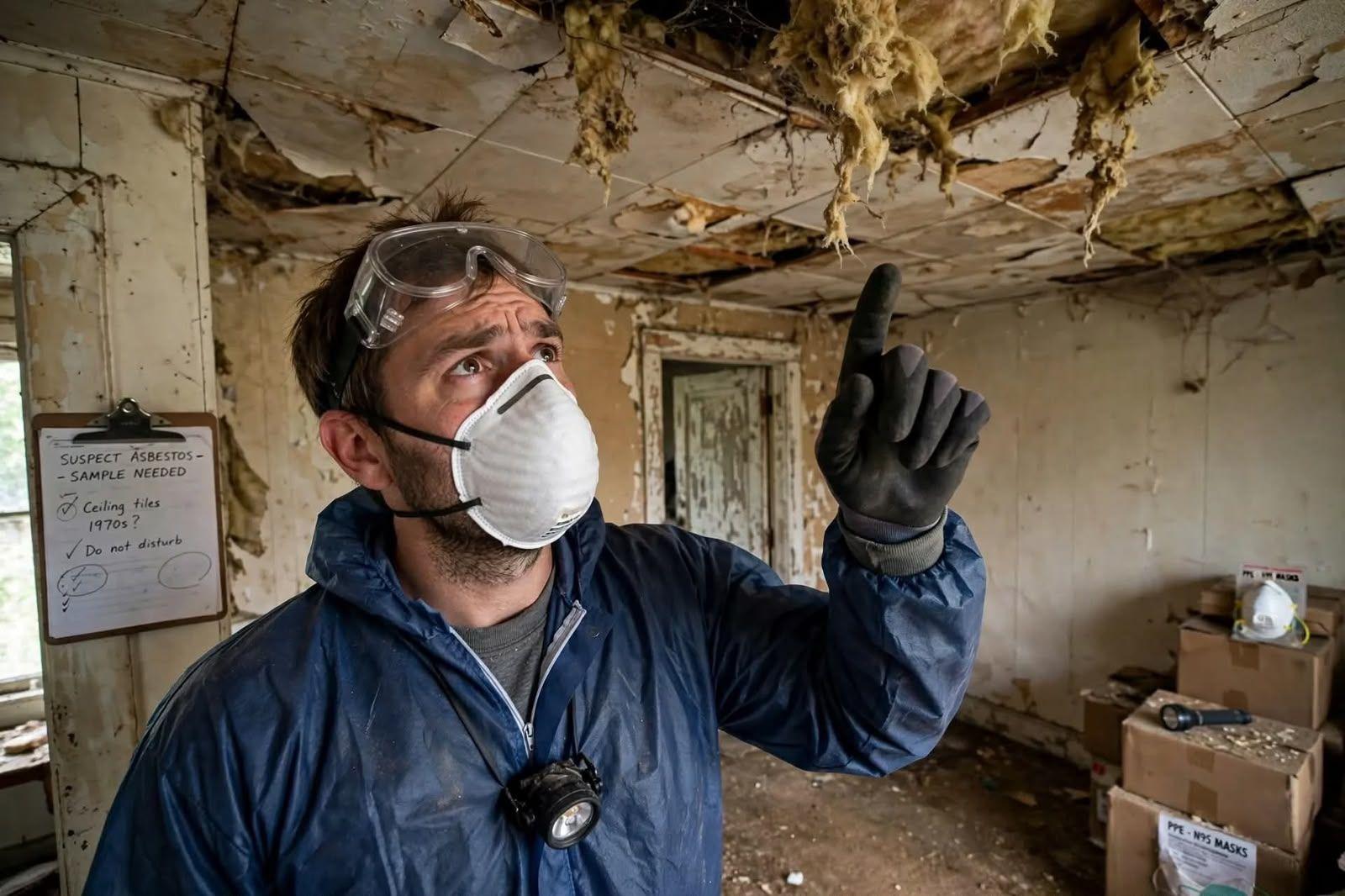
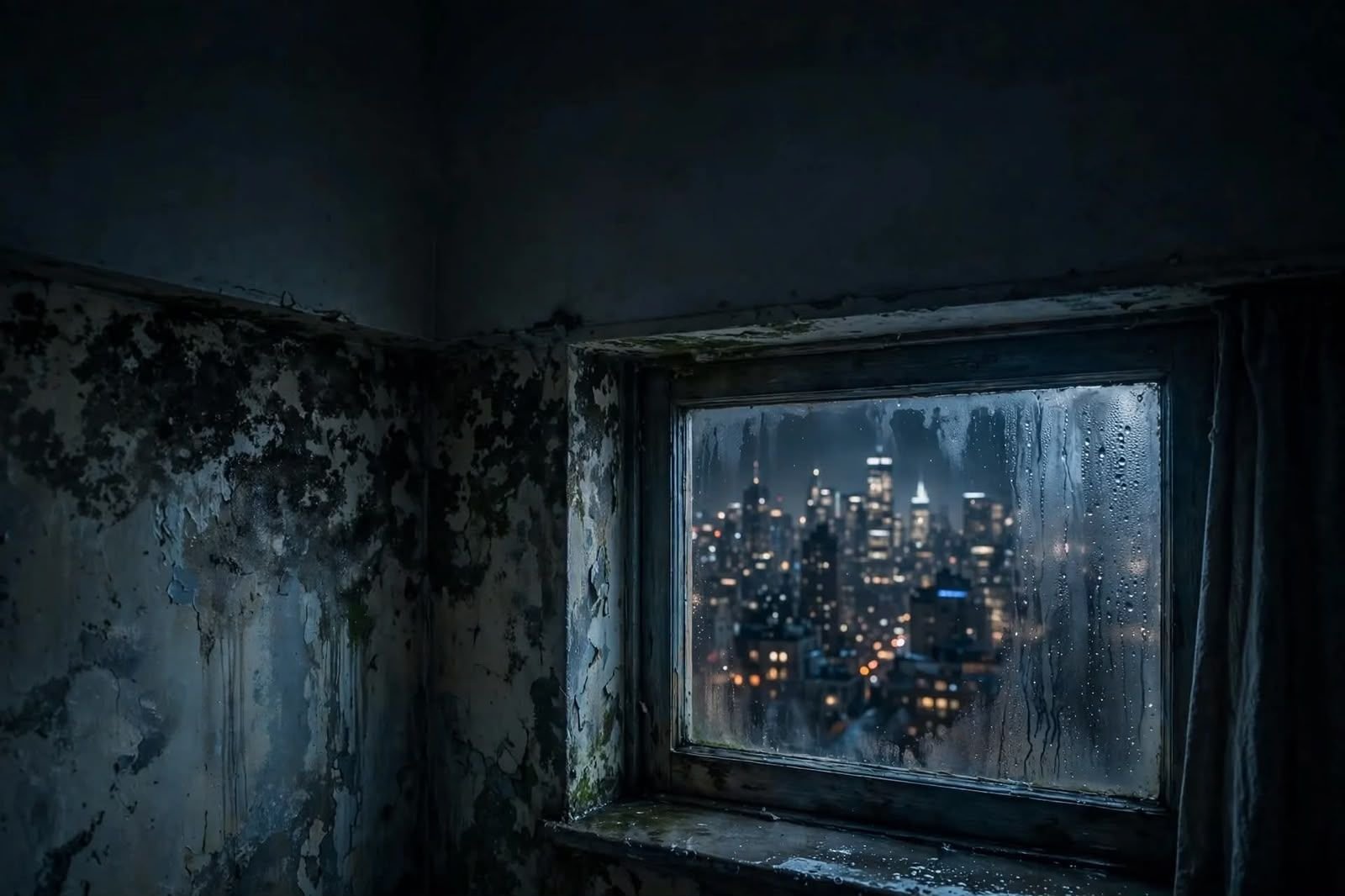
Mold is a common building concern in New York City, particularly in apartments and buildings with moisture problems. When water intrusion, leaks, or excessive humidity are not addressed, mold can develop on walls, ceilings, floors, and other surfaces.
Why Does Mold Develop in NYC Buildings?
Mold needs moisture and an organic material to grow. In buildings, common sources of moisture include:
- Plumbing leaks
- Roof or façade leaks
- Water damage from flooding
- Condensation and high humidity
- Poor ventilation
- Damp basements and bathrooms
- Leaks around windows and exterior walls
Older buildings can be particularly vulnerable when aging plumbing, roofs, windows, or building envelopes allow moisture to enter.
Why Are Mold Complaints Common?
Mold problems can become noticeable when residents see discoloration, detect musty odors, or notice recurring moisture on walls and ceilings. If the underlying moisture problem is not corrected, cleaning the visible mold alone may not solve the issue.
In NYC apartments, tenants may report mold concerns to building management or city agencies when conditions are not addressed. Property owners should take these complaints seriously and investigate the source of the moisture.
How Can Property Owners Reduce Mold Problems?
Preventive maintenance is one of the most effective ways to reduce the likelihood of mold growth. Property owners and managers should:
- Address leaks quickly – Repair plumbing, roof, window, and façade leaks as soon as they are identified.
- Control moisture – Maintain appropriate ventilation and address areas with excessive humidity.
- Inspect affected areas – Look behind damaged walls, ceilings, and other materials when appropriate.
- Correct the source – Fixing the underlying water problem is essential for long-term mold control.
- Keep documentation – Maintain records of inspections, repairs, and remediation work.
What Should You Do If Mold Is Found?
If mold is suspected, property owners should determine the extent of the problem and identify the source of moisture. Depending on the circumstances, professional assessment or remediation may be appropriate.
For NYC properties, addressing mold promptly can help protect the building, reduce recurring complaints, and maintain healthier living conditions.
Protect Your NYC Property
Mold is often a symptom of an underlying moisture problem. Regular building maintenance, prompt leak repairs, and appropriate inspections can help property owners identify problems before they become more extensive.
Environmental Safeguard Solutions can assist New York property owners with environmental inspections and help identify potential moisture and mold-related concerns.