Mold is a common but serious issue in New York City buildings. From aging infrastructure and plumbing leaks to high humidity and poor ventilation, NYC properties are especially vulnerable to mold growth. A professional mold inspection is often the first step in identifying problems before they become health hazards, legal issues, or costly repairs.
This guide explains when you need a mold inspection, what inspectors look for, and why ignoring mold can put owners at risk.
Why Mold Is a Serious Issue in NYC Buildings
Mold thrives in damp, enclosed environments—conditions frequently found in NYC basements, bathrooms, boiler rooms, and older apartment buildings. If left unaddressed, mold can:
- Damage walls, ceilings, and building materials
- Trigger respiratory problems and allergies
- Lead to tenant complaints and HPD violations
- Delay sales, leasing, or renovations
- Increase liability for property owners and landlords
NYC takes indoor environmental hazards seriously, especially in residential and rental properties.
What Is a Mold Inspection?
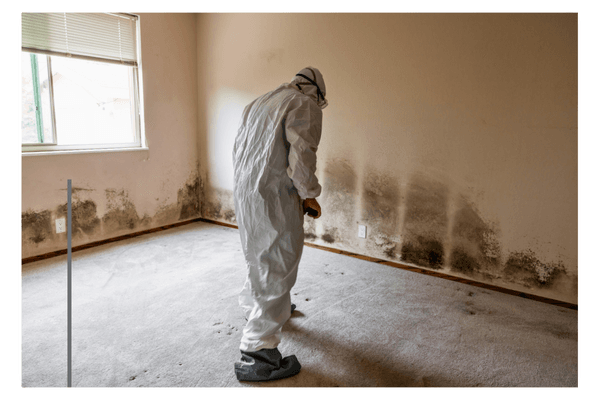
A mold inspection is a professional assessment of a building to determine whether mold is present, where it’s located, and what conditions are causing it.
A typical NYC mold inspection includes:
- Visual inspection of walls, ceilings, floors, and hidden areas
- Moisture readings and humidity testing
- Identification of water intrusion or leaks
- Air or surface sampling (when necessary)
- A written report outlining findings and recommendations
Inspections focus on both visible mold and hidden sources of moisture that allow mold to grow.
When Do You Need a Mold Inspection in NYC?
You should consider a mold inspection if:
- There is visible mold or a persistent musty odor
- Tenants report health symptoms linked to indoor air quality
- There has been water damage, flooding, or plumbing leaks
- You’re buying, selling, or refinancing a property
- You received an HPD complaint or violation related to mold
- A remediation project requires third-party verification
In many cases, early inspection prevents violations and reduces repair costs.
Mold, NYC Housing Laws, and Owner Responsibility
NYC landlords are legally required to keep apartments free from mold and excessive moisture. Failure to address mold conditions can result in:
- HPD violations
- Orders to correct hazardous conditions
- Tenant lawsuits or rent abatements
- Increased scrutiny during inspections
Mold inspections help document conditions, prove due diligence, and guide proper remediation.
Mold Inspection vs. Mold Remediation
It’s important to understand the difference:
- Mold inspection identifies the problem and its source
- Mold remediation removes the mold and fixes the underlying cause
In NYC, inspections are often performed by an independent professional to avoid conflicts of interest and to provide unbiased documentation.
How Much Does a Mold Inspection Cost in NYC?
Costs vary based on:
- Size of the building or apartment
- Number of rooms or units inspected
- Sampling requirements
- Accessibility of affected areas
While prices differ, inspections are far less expensive than emergency remediation or legal disputes caused by untreated mold.
Why Early Mold Inspections Save Money
Ignoring mold allows it to spread behind walls, ceilings, and floors. What starts as a small issue can quickly become a building-wide problem requiring major demolition and repair.
A timely mold inspection helps:
- Catch problems early
- Limit the scope of repairs
- Protect occupant health
- Reduce legal and financial exposure
Final Thoughts
Mold inspections are a critical part of responsible property ownership in NYC. Whether you manage a residential building, commercial space, or mixed-use property, proactive inspections protect your investment and ensure compliance with city regulations.
If you suspect mold, don’t wait for a violation—an inspection today can prevent major problems tomorrow.