Lead Inspection Requirements in NYC (2026): What Property Owners Must Know
Owning or managing residential property in New York City comes with ongoing lead inspection and compliance responsibilities — especially as the City continues to strengthen regulations to protect children from lead poisoning. If your building was built before 1960 (or in some cases between 1960 and 1978), it’s critical to understand what’s required in 2026 and beyond.
1. Who Must Comply with NYC Lead Inspection Laws?
Most residential buildings constructed before 1960 are subject to NYC lead inspection requirements. Buildings built between 1960 and 1978 are also covered if the owner has actual knowledge that lead-based paint is present.
These rules generally apply to:
- Residential buildings with three or more units built before 1960
- One- and two-family rental properties where lead paint is known to exist
2. XRF Lead Testing Requirements
NYC requires property owners to hire an EPA-certified inspector or risk assessor to perform lead testing using X-Ray Fluorescence (XRF). This is a non-destructive method used to determine whether lead-based paint is present on surfaces throughout apartments and common areas.
Under Local Law 31, owners were required to complete XRF testing of all units and common areas by August 9, 2025. While that deadline has passed, compliance remains mandatory in 2026, and owners must still have valid test records on file.
If a child under the age of six moves into a unit after the testing deadline, the owner must complete XRF testing within one year of the child’s move-in date.
3. Lead Inspection Recordkeeping Requirements
Property owners must retain all lead inspection and testing records for at least 10 years. Required documentation includes:
- XRF inspection reports
- Certifications of the inspector or risk assessor
- Records of any remediation or abatement work performed
HPD may request these records during audits, tenant complaints, or routine inspections. Failure to produce documentation can result in violations and penalties.
4. Annual Notices and Investigations
Property owners are required to provide annual lead paint notices to tenants and maintain records of any lead hazard investigations. This applies particularly to units where a child under six years old resides.
If lead paint hazards or violations are identified, owners must document investigations and corrective actions and keep those records available for review.
5. Common Area Lead Testing
NYC lead laws also require lead testing in common areas, including hallways, stairwells, lobbies, and other shared spaces in pre-1960 buildings. These areas are subject to the same testing, recordkeeping, and hazard-correction standards as individual units.
6. Lead Hazard Repair and Turnover Requirements
Identifying lead-based paint does not automatically require removal, but lead hazards must be corrected promptly when they occur.
Key requirements include:
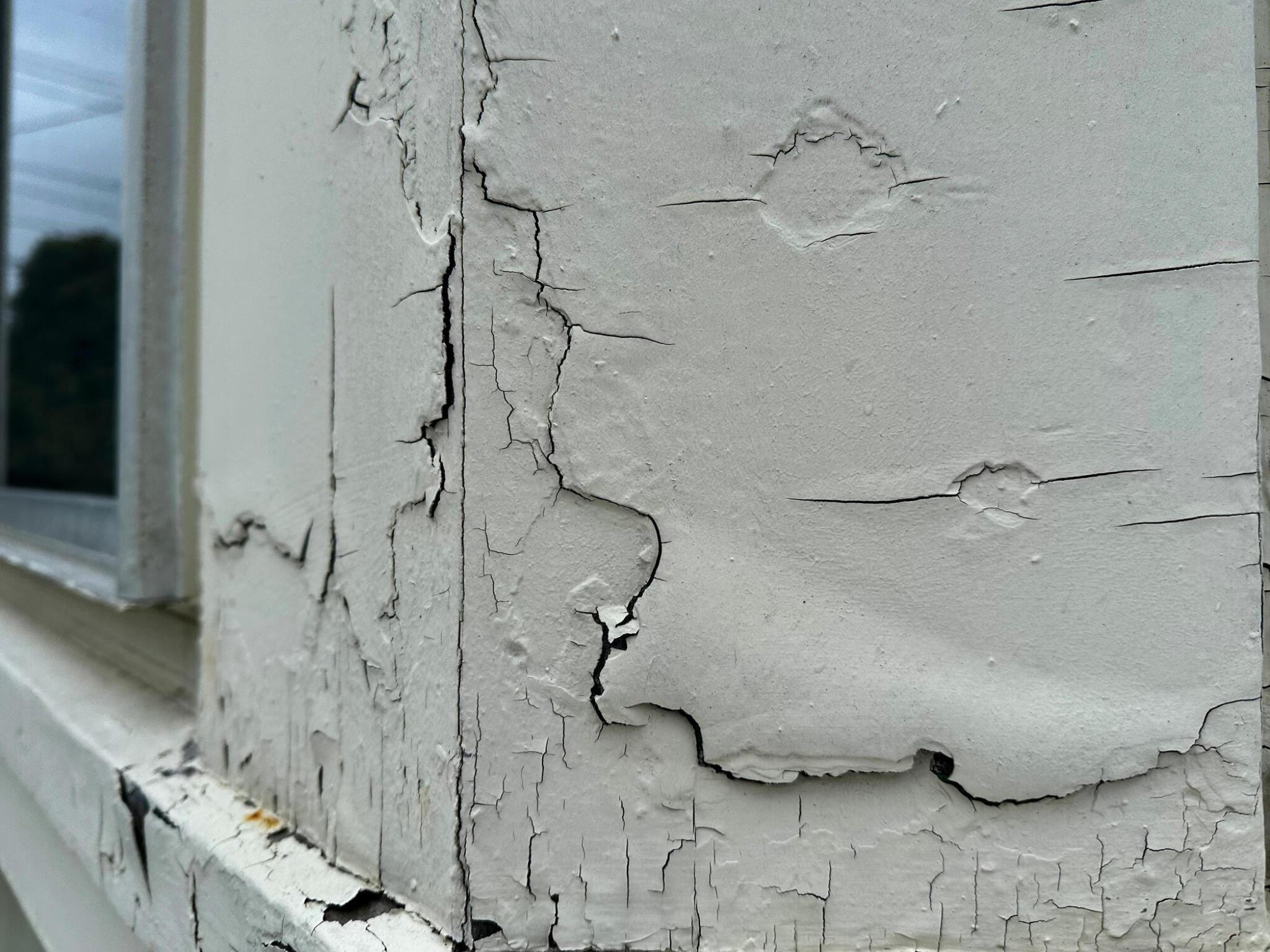
- Immediate repair of peeling or deteriorated lead paint, especially in units occupied by children under six
- Use of certified contractors and lead-safe work practices
- Additional lead safety measures during unit turnover, particularly for friction surfaces such as doors and windows
7. Lead-Free and Lead-Safe Exemptions
If testing confirms that no lead-based paint is present, owners may qualify for a lead-free or lead-safe exemption. These exemptions can reduce ongoing obligations, such as annual visual inspections and certain notice requirements, but documentation must still be retained.
8. Penalties for Non-Compliance
Failure to comply with NYC lead inspection requirements can result in:
- Class “C” immediately hazardous violations
- Civil penalties ranging from hundreds to thousands of dollars per violation
- Mandatory corrective work ordered by HPD
Key Takeaway for 2026
Even though major testing deadlines have passed, NYC continues to actively enforce lead inspection, documentation, and remediation requirements. Property owners must remain compliant by maintaining records, conducting required inspections, addressing hazards promptly, and following lead-safe work practices. Staying compliant not only avoids fines and violations — it protects tenant health and reduces long-term liability.