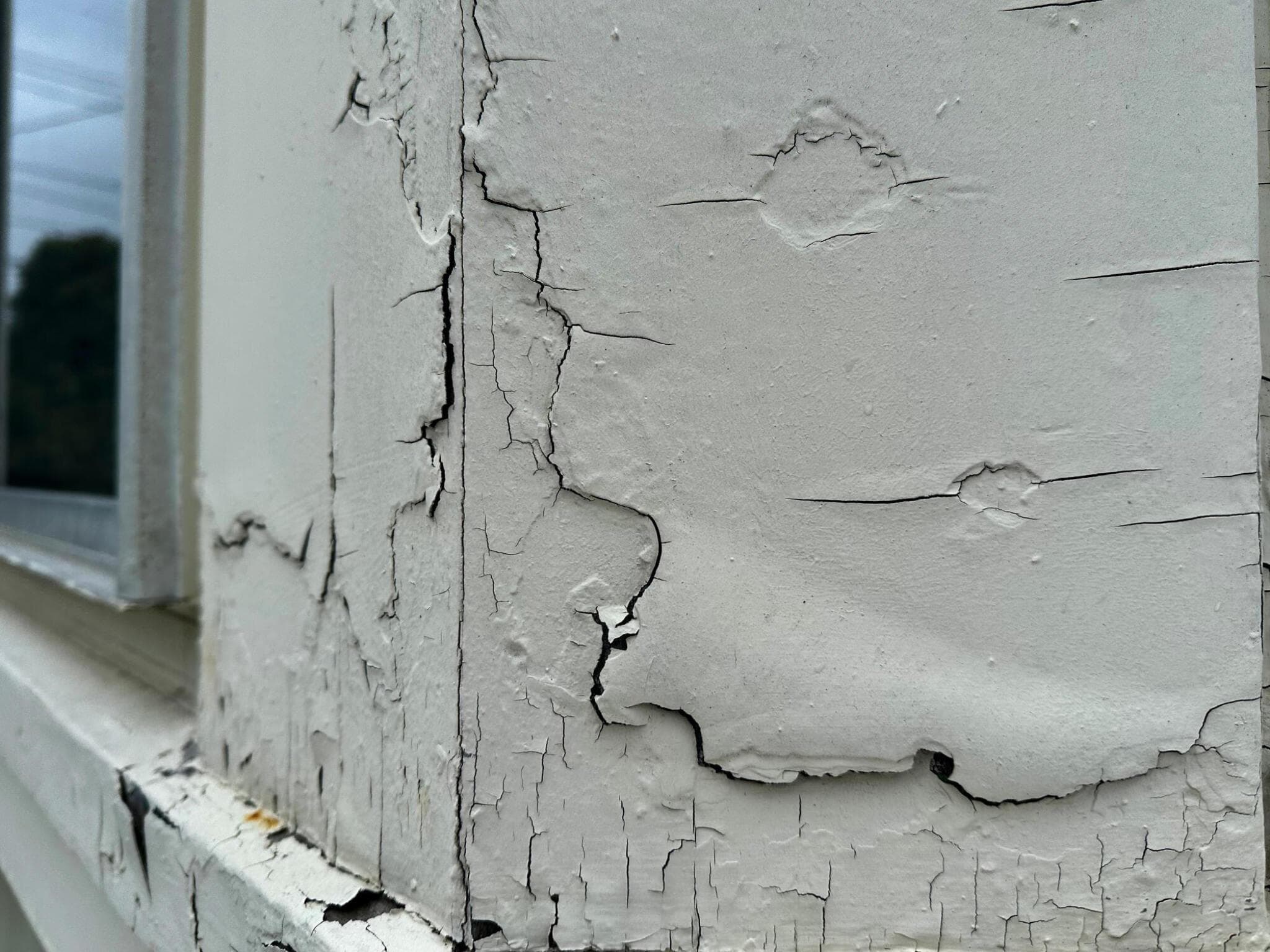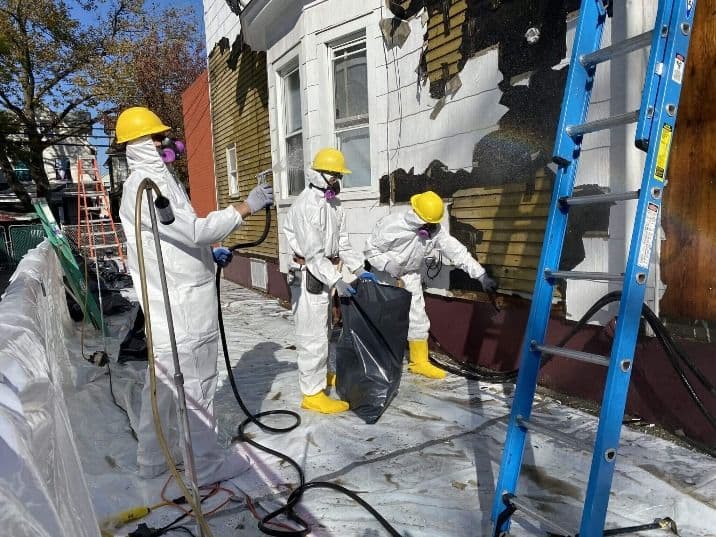
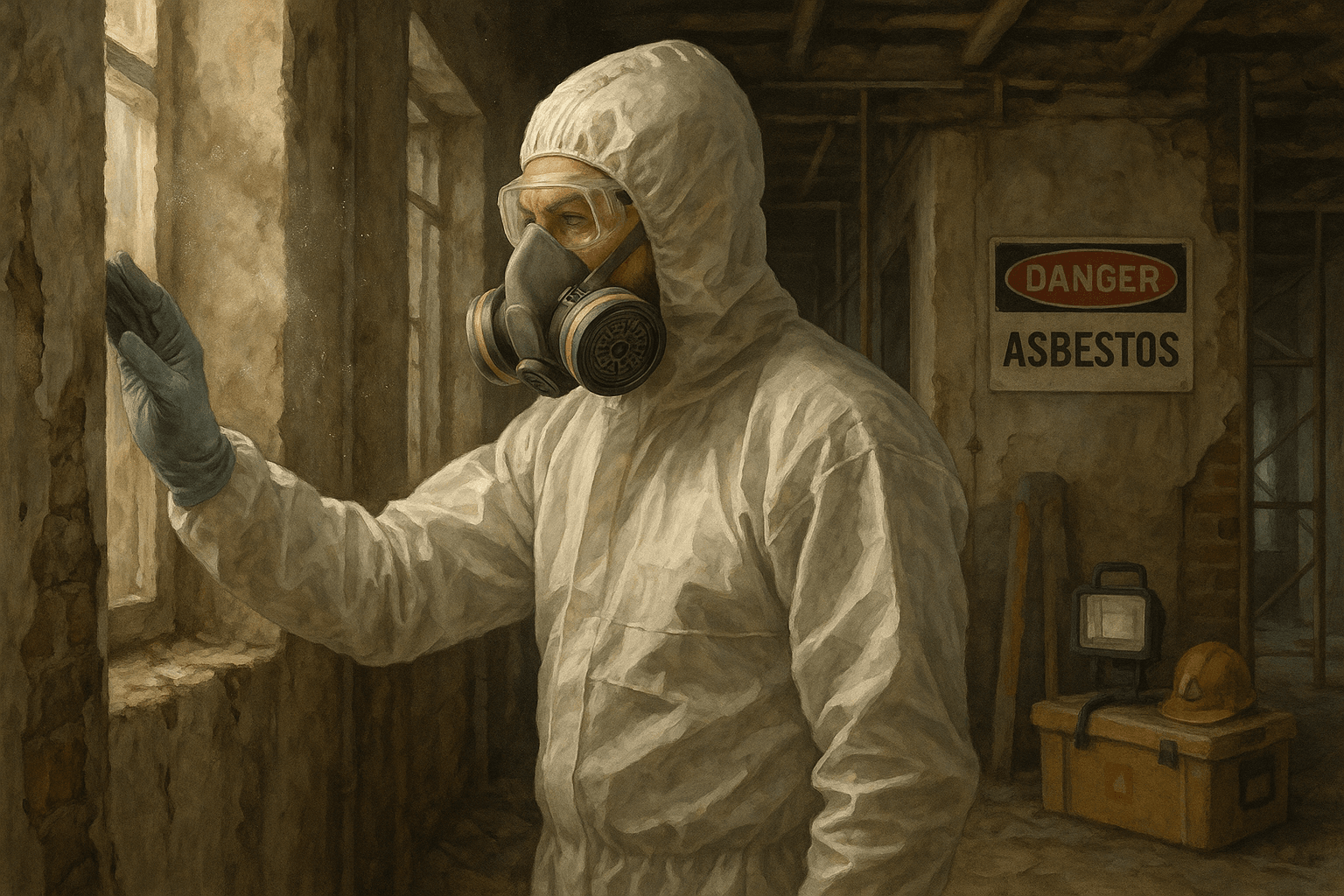
Asbestos, a naturally occurring mineral once widely used in construction, poses serious health risks when disturbed. While its use has significantly declined due to regulatory measures, many older buildings still contain asbestos materials. Understanding the importance of asbestos testing can help property owners, contractors, and residents stay safe and compliant with regulations.
Why Is Asbestos Dangerous?
When asbestos-containing materials (ACMs) are disturbed, they release microscopic fibers into the air. Inhalation of these fibers can lead to severe respiratory diseases, including asbestosis, lung cancer, and mesothelioma. Because these conditions often take decades to develop, many individuals may be unaware of their exposure until it’s too late.
When Should Asbestos Testing Be Conducted?
Asbestos testing should be performed in various situations, including:
- Before Renovations or Demolitions: Any disturbance to a building’s structure can release asbestos fibers.
- Real Estate Transactions: Buyers and sellers should be aware of potential hazards in a property.
- Occupational Safety Compliance: Businesses must ensure a safe environment for employees and adhere to OSHA and EPA regulations.
- Post-Disaster Assessments: Floods, fires, and other disasters can damage ACMs, leading to airborne asbestos exposure.
How Is Asbestos Testing Conducted?
Professional asbestos inspectors follow strict protocols to identify and assess ACMs. The process typically involves:
- Visual Inspection: A trained inspector assesses materials that may contain asbestos.
- Sampling: Small samples of suspect materials are collected following safety guidelines.
- Laboratory Analysis: Samples are analyzed under a microscope to confirm the presence of asbestos fibers.
- Report & Recommendations: The findings help determine whether asbestos removal or encapsulation is necessary.
Legal and Regulatory Requirements
Federal agencies such as the EPA, OSHA, and state health departments have strict regulations regarding asbestos management. Failure to comply can result in fines, legal action, and health hazards. Property owners and contractors must ensure proper testing and, if necessary, safe abatement procedures.
The Role of Certified Asbestos Professionals
Because of the health risks involved, asbestos testing should always be performed by licensed professionals. Certified inspectors have the training, experience, and equipment to conduct thorough assessments and recommend safe management strategies.
Final Thoughts
Asbestos testing is not just a regulatory requirement—it’s a crucial step in protecting human health and ensuring safe environments. If you own or manage a property built before the 1980s, consider scheduling an asbestos inspection before starting any renovations. Identifying and managing asbestos risks can save lives and prevent costly legal and medical consequences.