Back to Blog

Local Law 31 Compliance Timeline: Key Dates Every Owner Must Follow

December 01, 2025
Environmental Safeguard Solutions

New York City’s Local Law 31 requires all pre-1960 residential buildings to complete certified XRF lead-based paint inspections by August 9, 2025—a deadline that affects thousands of property owners. This one-time inspection mandate applies to every unit, regardless of tenant turnover, and missing it can lead to costly HPD violations. Understanding the key dates, documentation requirements, and ongoing obligations is essential for staying compliant and avoiding penalties. This guide breaks down the timeline and the steps owners must take to meet Local Law 31 requirements on time.

Local law 31

New York City’s Local Law 31, part of the city’s broader lead-safety regulations, sets strict requirements for lead-based paint inspections in residential buildings. If you own or manage a pre-1960 multi-family property, or even some built between 1960 and 1978, you need to follow this timeline to avoid costly violations from HPD.

Below is a clear, owner-friendly breakdown of the key deadlines, responsibilities, and compliance milestones under Local Law 31.

1. Who Must Comply?

Local Law 31 applies to:

  • Residential buildings built before 1960
  • Buildings built between 1960–1978 where the owner believes lead paint may be present
  • Apartments where a child under 6 years old resides or regularly spends 10+ hours/week
  • All multiple dwellings, including rentals, co-ops, and condos

2. The Local Law 31 Timeline

August 9, 2020 – Law Takes Effect

Local Law 31 officially went into effect, expanding the lead paint inspection requirements under Local Law 1.

August 9, 2025 – Five-Year Deadline for XRF Lead Inspections

This is the major compliance deadline.

By August 9, 2025, ALL affected apartments in pre-1960 buildings must undergo:

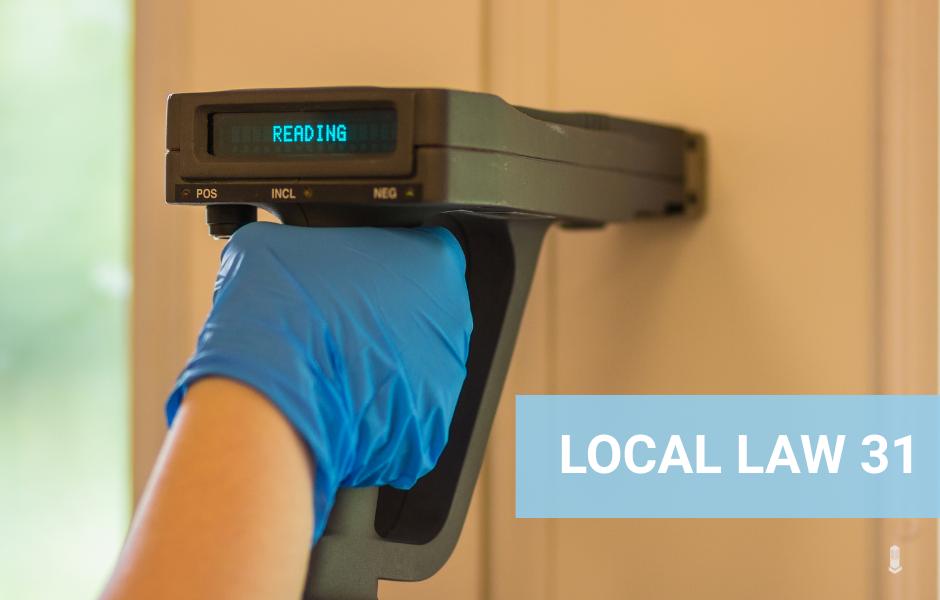
  • XRF lead-based paint inspections
  • Conducted by an EPA-certified lead inspector or risk assessor
  • Completed regardless of tenant turnover

This is a one-time requirement, but mandatory.

If this is not done by the deadline, owners may face:

  • HPD violations
  • Civil penalties
  • Orders to correct
  • Potential civil liability if exposure occurs

Within 21 Days of Inspection

Owners must provide a copy of the test results to the tenant within 21 days.

Ongoing: Child Under 6 Requirements

If a child under 6 lives in the unit:

  • Annual inspections are required under Local Law 1
  • Any peeling paint must be corrected promptly by certified workers
  • Safe work practices must always be used

Even after 2025, these annual checks continue.

3. What Happens After 2025?

After satisfying the 2025 XRF requirement:

  • You don’t need to repeat XRF inspections unless lead abatement work is done
  • You must store all records for 10 years
  • HPD may request proof at any time
  • Annual Local Law 1 inspections still apply for child-occupied units

4. How Owners Can Prepare Before the Deadline

Hire an EPA-Certified XRF Inspector Early

Demand will spike as the deadline approaches. Booking early prevents delays and premium fees.

Organize Tenant Access

Inspections must be completed inside each unit, so tenant communication is critical.

Keep Clear Documentation

Maintain:

  • Inspection reports
  • Notices provided to tenants
  • Corrective work documentation
  • Annual lead compliance records

Plan for Repairs

If hazards are found, owners must fix them using an EPA-certified firm.

5. Penalties for Missing the Deadline

Failure to comply could result in:

  • HPD violations
  • Daily civil penalties
  • Emergency repair charges
  • Potential litigation
  • Delays in property refinancing or sales due to non-compliance

About the Author

Environmental Safeguard Solutions

Environmental safety expert at Environmental Safeguard Solutions

Related Articles

Continue reading our latest insights and updates.

lead inspection
Dec 15, 2025

When Is Lead Abatement Required? Understanding NYC Regulations

Lead abatement is required under NYC regulations when lead-based paint hazards pose a serious risk—especially in buildings with children under six, during major renovations, or after HPD issues a lead violation. With stricter enforcement under Local Law 1 and the 2025 Local Law 31 inspection deadline, property owners must know when temporary repairs are no longer enough. This guide explains the key situations that trigger mandatory lead abatement and how owners can stay compliant while avoiding costly penalties.

Read More
Local law 31
Dec 12, 2025

Local Law 31 Violations: How to Avoid Fines and Enforcement

Local Law 31 Violations can lead to costly fines, Class C lead hazards, and aggressive HPD enforcement if owners miss inspection deadlines or fail to correct lead paint issues. With mandatory XRF testing required in all pre-1960 units by 2025, NYC landlords must act quickly to avoid penalties. This article breaks down the most common LL31 violations — from late inspections to improper abatement — and explains the steps owners can take to stay compliant, protect tenants, and prevent HPD enforcement actions.

Read More
Mold Identification
Dec 09, 2025

Mold Violations and Orders: What Owners and Tenants Should Know

As New York City approaches the critical Local Law 126 compliance deadline, property owners are facing increased urgency to inspect and secure their parapet walls. This new requirement—now mandatory for all buildings with street-facing parapets—aims to prevent hazardous conditions caused by loose masonry and aging structures. Understanding what the law demands, how inspections work, and what steps to take now can help owners avoid violations, costly penalties, and life-safety risks. This guide breaks down everything you need to know to stay compliant in 2025 and beyond.

Read More

Need Professional Environmental Services?

Contact us today for a free consultation and quote. Our experts are here to help ensure your property is safe and compliant.