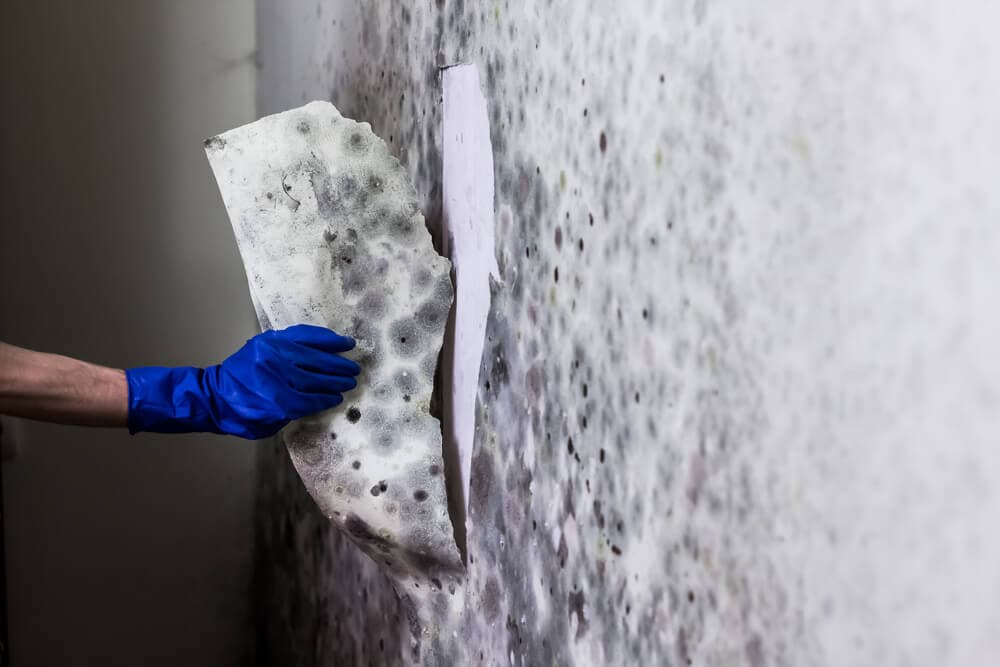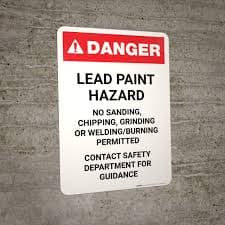
Lead-based paint remains a major health risk in New York City’s older housing stock. With strict rules under Local Law 1 of 2004 and the expanded inspection requirements of Local Law 31, property owners must understand exactly when lead abatement is required—and when temporary repairs are not enough.
This guide explains the key situations that trigger mandatory lead abatement under NYC regulations and what owners must do to stay compliant.
What Counts as Lead-Based Paint in NYC?
Under NYC law, paint is considered lead-based if testing shows:
- 1.0 mg/cm² or higher, typically determined by XRF testing
Once paint meets or exceeds this threshold, special rules apply for repairs, renovations, and ongoing maintenance.
When Is Lead Abatement Required?
1. When HPD Issues a Lead Hazard Violation
If HPD finds lead-based paint in poor condition—especially peeling or chipping paint—the owner must:
- Correct the condition using EPA-certified professionals
- Follow lead-safe or abatement work practices
- Provide required notifications to tenants
In many cases, especially where hazards are extensive or recurring, full abatement may be required instead of temporary repairs.
2. When a Child Under 6 Lives in the Apartment
If a child under six resides in a unit:
- Any peeling paint is treated as an immediately hazardous (Class C) violation
- Owners must act quickly to correct the hazard
- Repeated or widespread hazards often lead to abatement orders
This is one of the most common triggers for mandatory abatement in NYC.
3. After XRF Testing Under Local Law 31
By August 9, 2025, owners of pre-1960 buildings must complete XRF inspections in all apartments.
If testing identifies lead-based paint:
- Owners must track and manage those surfaces
- Abatement may be required if conditions deteriorate or violations are issued
- Documentation must be maintained for 10 years
4. During Renovations or Major Repairs
Abatement is often required when:
- Renovation work disturbs lead-painted surfaces
- Work exceeds de minimis thresholds
- Entire components (windows, doors, trim) are replaced
Uncertified work during renovations can result in immediate violations.
5. Repeated Lead Violations or Underlying Condition Orders
If HPD sees repeated lead violations in a building:
- An Underlying Conditions Order may be issued
- Owners may be required to perform full abatement, not just spot repairs
- Engineering reports and long-term corrective plans may be required
Who Can Perform Lead Abatement?
Only:
- EPA-certified lead abatement contractors
- Trained workers following NYC and EPA rules
- Projects often require clearance testing after completion
Using uncertified contractors can invalidate the work and lead to penalties.
Penalties for Failing to Abate When Required
Failure to comply may result in:
- HPD violations and fines
- Emergency Repair Program charges
- Civil liability
- Delays in property sales or refinancing
- Increased exposure to tenant lawsuits
Conclusion
Lead abatement is not optional when NYC regulations require it. Whether triggered by a violation, child occupancy, XRF testing, or renovation work, owners must act quickly and correctly. Understanding when abatement is mandatory can help property owners avoid enforcement actions while protecting tenant health and safety.