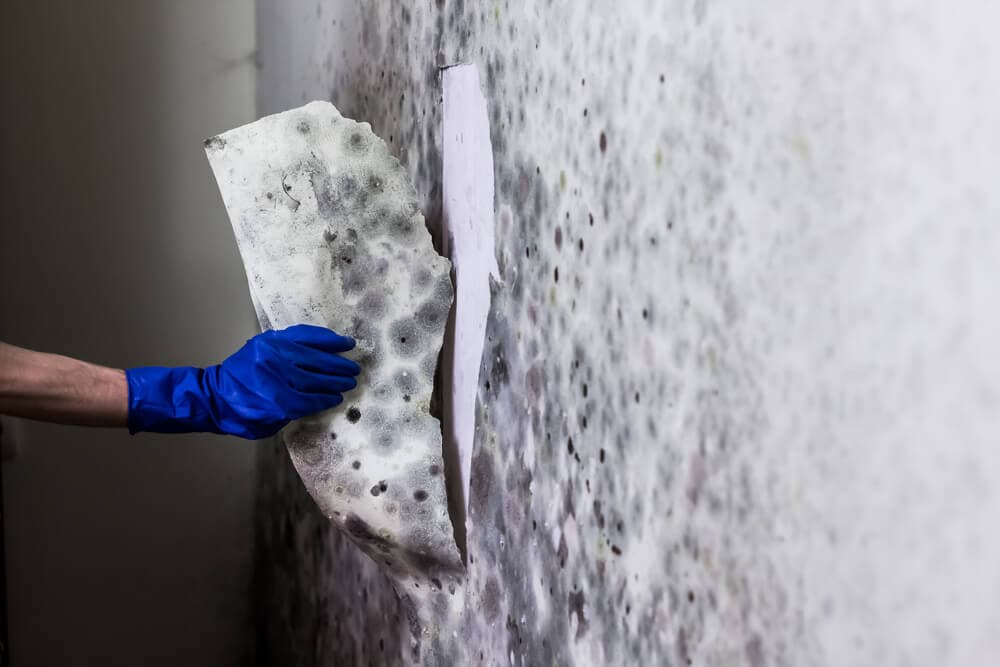
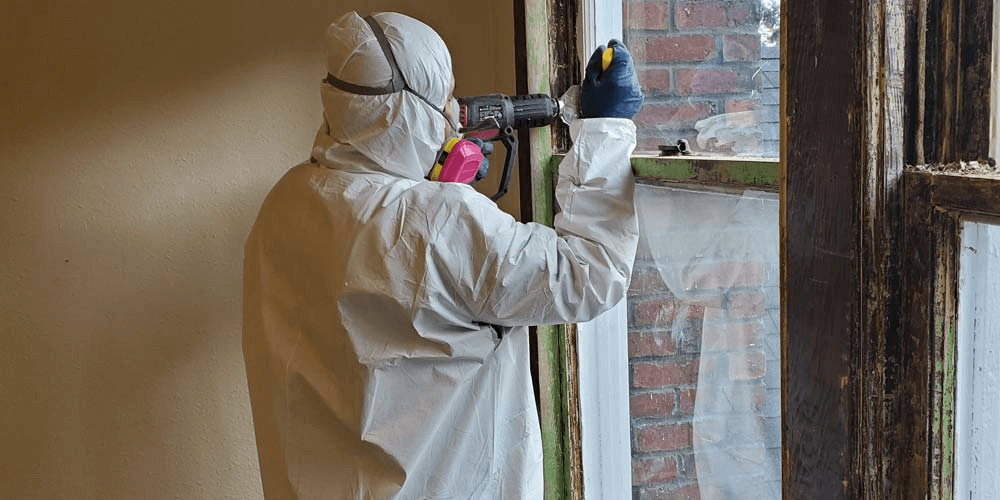
Lead-based paint may seem harmless under fresh layers of paint — but when it peels, chips, or is disturbed during renovation, it can release toxic lead dust into the air. This dust can pose serious health risks, especially for young children and pregnant women.
That’s why safe abatement practices aren’t just a legal requirement under New York City’s Local Law 31 — they’re a crucial step in protecting families and maintaining healthy homes.
What Is Lead Abatement?
Lead abatement is the process of permanently removing or containing lead-based paint hazards. It’s more than a simple paint job — it involves certified professionals using approved techniques to ensure lead dust doesn’t spread throughout the home.
There are three main types of abatement methods:
- Paint Removal – Carefully stripping or scraping away lead-based paint using safe, controlled methods.
- Enclosure – Covering the surface with durable barriers, such as drywall or paneling, to seal in the lead.
- Encapsulation – Applying a special liquid coating that bonds to the surface and seals the lead paint underneath.
⚙️ Safe Abatement Process (Step-by-Step)
- Inspection and Testing
Certified inspectors perform XRF (X-Ray Fluorescence) testing to identify which surfaces contain lead-based paint. - Planning and Preparation
The contractor isolates the work area with plastic sheeting and HEPA filtration systems to prevent dust migration. - Lead-Safe Work Practices
- Workers wear protective gear (respirators, gloves, disposable suits).
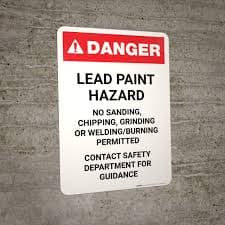
- No open-flame burning, dry sanding, or scraping is allowed.
- Waste is collected in sealed containers for proper disposal.
- Clean-Up and Clearance Testing
Once the abatement is complete, an independent EPA-certified inspector conducts dust wipe clearance testing to confirm the area is safe for re-entry.
🏠 Why Safe Abatement Matters
Lead exposure can cause:
- Developmental delays in children
- Learning or behavior problems
- High blood pressure and kidney damage in adults
Beyond health, property owners also face fines and violations for failing to address lead hazards. Under Local Law 31, all pre-1960 buildings (or 1960–1978 if lead is known to be present) must complete lead inspections by August 2025 and safely address any positive findings.
💡 Key Takeaways for Property Owners
- Always hire EPA-certified abatement or remediation contractors.
- Keep documentation of inspection, abatement, and clearance results.
- Notify tenants about any lead hazard findings or work being performed.
- Schedule regular lead-safe inspections to prevent recurring issues.
Need Assistance?
Contact Environmental Safeguard Solutions today to schedule your Local Law 31 inspection:
📞 (929-305-1232 | 🌐 www.ess-nyc.com
How Environmental Safeguard Solutions Can Help
At Environmental Safeguard Solutions (ESS), we specialize in Local Law 31 XRF Inspections and Post-Abatement Dust Clearance Testing throughout New York City, Long Island, Westchester, and New Jersey.
Our EPA-licensed inspectors use state-of-the-art Viken Pb200e XRF analyzers to test every component required by law—including walls, doors, windows, baseboards, and closets.
We provide:
- Comprehensive XRF inspection reports
- HPD-compliant affidavits and paperwork
- Post-abatement dust clearance testing
- Fast scheduling and same-week reporting
We’ve helped hundreds of landlords and management firms.
- —ensuring compliance, safety, and peace of mind.