What Is Local Law 31?
Local Law 31 (LL31) was passed in 2020 to strengthen New York City’s efforts against lead poisoning, particularly in young children.
It expands earlier laws (like Local Law 1 of 2004) by requiring proactive lead inspections — not just visual checks or responses to tenant complaints.
In short:
- If your building was built before 1960, you must test every apartment and common area.
- If built between 1960 and 1978 and you suspect lead paint is present, you must also test.
- All testing must be done by August 9, 2025.
🧒 Why the Law Exists
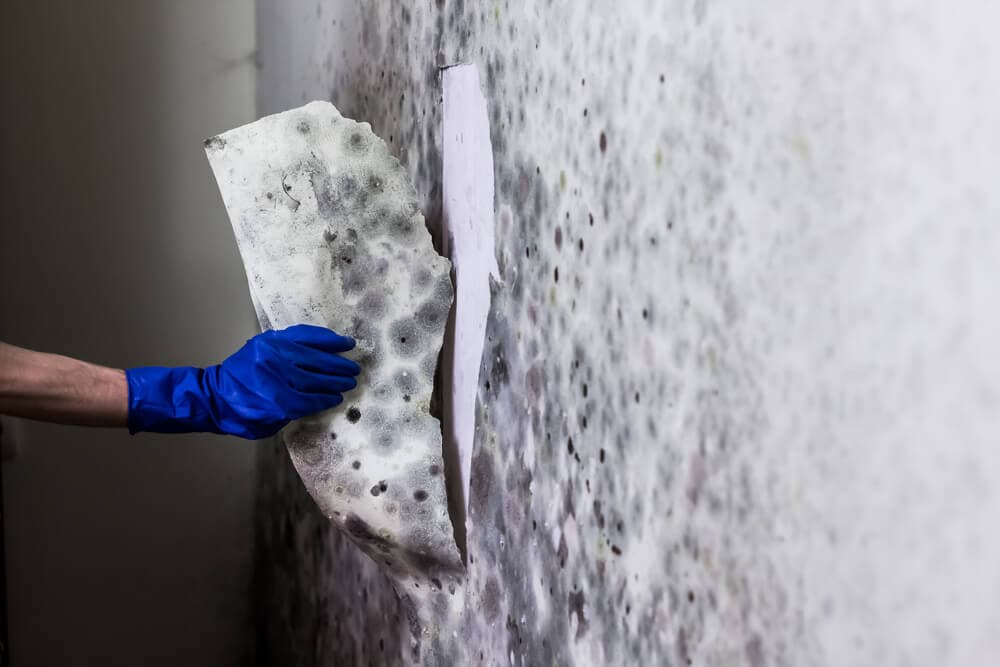
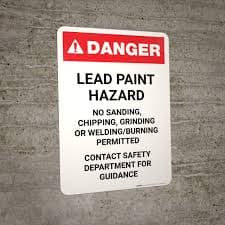
Lead paint was banned in residential use in 1978, but thousands of NYC apartments still contain it under newer layers of paint.
When old paint peels or is disturbed during repairs, it releases toxic dust — especially dangerous to children under six.
Local Law 31 is part of the city’s “LeadFreeNYC” initiative, which aims to eliminate childhood lead exposure by 2030.
The 2025 Deadline: What It Means
Every covered building must complete:
- XRF testing of all painted surfaces (walls, ceilings, trims, doors, windows, etc.).
- Testing of common areas such as hallways, stairwells, and lobbies.
- Proper documentation — test reports, certificates, and records stored for 10 years.
If you don’t complete testing by August 9, 2025, HPD will begin issuing Class C Violations starting 2026, with fines ranging from $1,000 to $5,000 per violation — and possible daily penalties until compliance.
Step-by-Step: How to Comply Before 2026
1. Schedule an XRF Inspection Now
Hire an EPA-certified lead inspector or risk assessor.
They must be independent — meaning they cannot also do the remediation work.
2. Test Every Unit and Common Area
Each apartment and common hallway, lobby, or basement must be tested for lead content using XRF technology.
3. Address Any Hazards Found
If deteriorated lead paint is found, you must fix it using lead-safe work practices or hire a certified abatement contractor.
4. Keep All Records
Maintain copies of:
- Inspection reports
- Lab results or certificates
- Work orders and remediation documentation
Keep them on file for 10 years in case HPD requests them.
5. Apply for Exemption (Optional)
If no lead paint above 0.5 mg/cm² is found, you can apply for an HPD Lead-Free Exemption, which will remove future testing requirements.
What Happens If You Miss the Deadline
If you fail to comply before 2026:
- HPD may inspect your building and issue violations.
- You’ll be required to perform testing immediately at your own cost.
- Noncompliance can lead to civil penalties and affect your ability to renew permits or sell the property.
🕒 Why You Should Act Now
- Limited availability: Certified XRF inspectors are already in high demand.
- Avoid fines: Completing testing before the deadline saves thousands in penalties.
- Tenant safety: Early testing helps identify and remove hidden lead hazards.
The longer you wait, the harder (and more expensive) it becomes to get certified testing done in time.
🧭 Final Thoughts
Local Law 31 is more than a compliance checkbox — it’s a critical step toward safer, healthier housing in New York City.
By acting before 2026, property owners can:
✅ Avoid costly HPD violations
✅ Protect tenants, especially young children
✅ Keep buildings compliant and ready for future audits
If you haven’t yet scheduled your XRF inspection, now is the time.
The 2025 deadline isn’t flexible — and HPD enforcement begins right after.
Need Assistance?
Contact Environmental Safeguard Solutions today to schedule your Local Law 31 inspection:
📞 (929-305-1232 | 🌐 www.ess-nyc.com
How Environmental Safeguard Solutions Can Help
At Environmental Safeguard Solutions (ESS), we specialize in Local Law 31 XRF Inspections and Post-Abatement Dust Clearance Testing throughout New York City, Long Island, Westchester, and New Jersey.
Our EPA-licensed inspectors use state-of-the-art Viken Pb200e XRF analyzers to test every component required by law—including walls, doors, windows, baseboards, and closets.
We provide:
- Comprehensive XRF inspection reports
- HPD-compliant affidavits and paperwork
- Post-abatement dust clearance testing
- Fast scheduling and same-week reporting
We’ve helped hundreds of landlords and management firms.
—ensuring compliance, safety, and peace of mind.