New York City’s Local Law 31, part of the city’s broader lead-safety regulations, sets strict requirements for lead-based paint inspections in residential buildings. If you own or manage a pre-1960 multi-family property, or even some built between 1960 and 1978, you need to follow this timeline to avoid costly violations from HPD.
Below is a clear, owner-friendly breakdown of the key deadlines, responsibilities, and compliance milestones under Local Law 31.
1. Who Must Comply?
Local Law 31 applies to:
- Residential buildings built before 1960
- Buildings built between 1960–1978 where the owner believes lead paint may be present
- Apartments where a child under 6 years old resides or regularly spends 10+ hours/week
- All multiple dwellings, including rentals, co-ops, and condos
2. The Local Law 31 Timeline
August 9, 2020 – Law Takes Effect
Local Law 31 officially went into effect, expanding the lead paint inspection requirements under Local Law 1.
August 9, 2025 – Five-Year Deadline for XRF Lead Inspections
This is the major compliance deadline.
By August 9, 2025, ALL affected apartments in pre-1960 buildings must undergo:
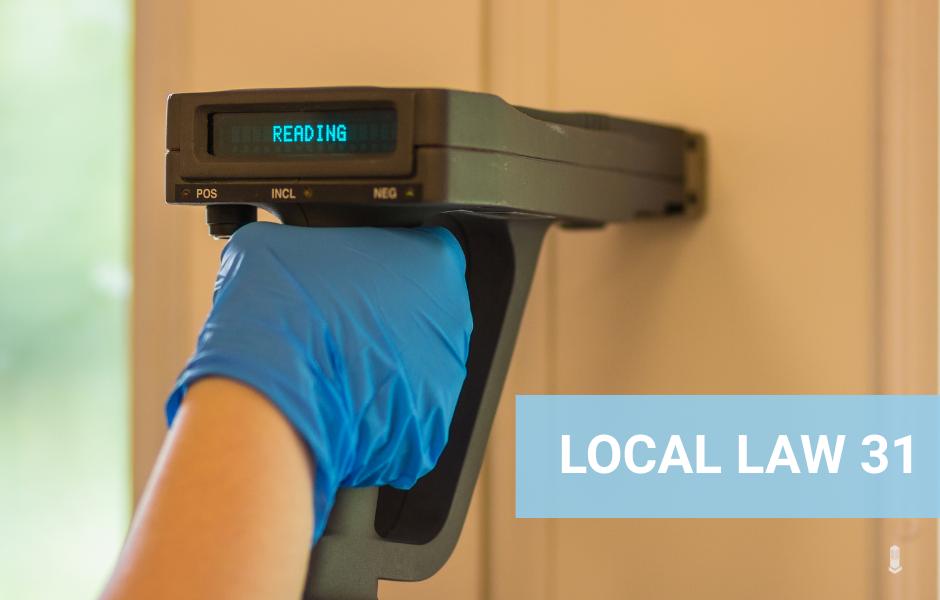
- XRF lead-based paint inspections
- Conducted by an EPA-certified lead inspector or risk assessor
- Completed regardless of tenant turnover
This is a one-time requirement, but mandatory.
If this is not done by the deadline, owners may face:
- HPD violations
- Civil penalties
- Orders to correct
- Potential civil liability if exposure occurs
Within 21 Days of Inspection
Owners must provide a copy of the test results to the tenant within 21 days.
Ongoing: Child Under 6 Requirements
If a child under 6 lives in the unit:
- Annual inspections are required under Local Law 1
- Any peeling paint must be corrected promptly by certified workers
- Safe work practices must always be used
Even after 2025, these annual checks continue.
3. What Happens After 2025?
After satisfying the 2025 XRF requirement:
- You don’t need to repeat XRF inspections unless lead abatement work is done
- You must store all records for 10 years
- HPD may request proof at any time
- Annual Local Law 1 inspections still apply for child-occupied units
4. How Owners Can Prepare Before the Deadline
✔ Hire an EPA-Certified XRF Inspector Early
Demand will spike as the deadline approaches. Booking early prevents delays and premium fees.
✔ Organize Tenant Access
Inspections must be completed inside each unit, so tenant communication is critical.
✔ Keep Clear Documentation
Maintain:
- Inspection reports
- Notices provided to tenants
- Corrective work documentation
- Annual lead compliance records
✔ Plan for Repairs
If hazards are found, owners must fix them using an EPA-certified firm.
5. Penalties for Missing the Deadline
Failure to comply could result in:
- HPD violations
- Daily civil penalties
- Emergency repair charges
- Potential litigation
- Delays in property refinancing or sales due to non-compliance