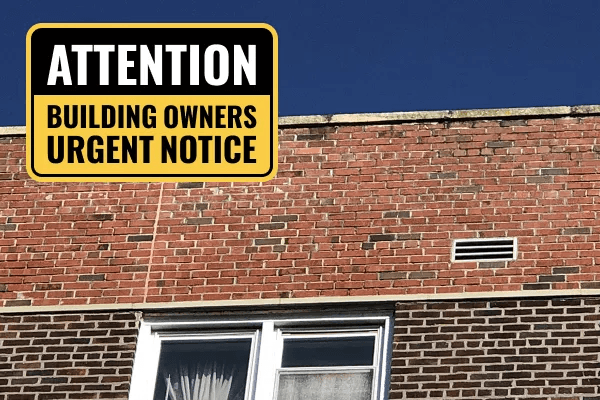
As the year draws to a close, New York City property owners face a critical compliance milestone: the enforcement deadline for Local Law 126, the regulation requiring regular parapet wall inspections and documentation. While many building owners are familiar with façade rules under Local Law 11, Local Law 126 specifically targets parapets, which are often overlooked despite being one of the most vulnerable exterior building components.
Why Parapet Walls Matter
Parapets serve more than aesthetic or architectural purposes—they protect rooftops, shield pedestrians from falling debris, and act as fire barriers between adjoining buildings. However, exposure to freeze–thaw cycles, water infiltration, aging masonry, and lack of maintenance can weaken parapets over time.
When parapets fail, consequences can be severe: loose bricks, cracked coping stones, or shifting masonry can fall to the sidewalk or streets below—posing life-safety risks and liability for building owners.
What Local Law 126 Requires
Local Law 126 mandates that most buildings with parapet walls facing the public right-of-way undergo annual visual inspections, documented by a qualified professional. Key requirements include:
- Inspecting all street-facing parapets
- Checking for cracks, leaning, bulging, missing mortar, loose stones, or visible deterioration
- Filing a written inspection report
- Making timely repairs if unsafe conditions are found
- Correcting hazardous conditions immediately and installing pedestrian protection when necessary
This law applies even if the building is not required to comply with the façade inspection program (FISP).
The Deadline Is Near
With enforcement increasing, property owners must ensure compliance before the deadline to avoid:
- Violations and DOB enforcement actions
- Costly civil penalties
- Emergency sidewalk shed requirements
- Increased insurance or legal exposure
Procrastinating can turn minor maintenance into urgent—and expensive—structural repairs.
What Building Owners Should Do Now
If you haven’t already, begin the compliance process:
- Schedule a parapet inspection with a licensed architect, engineer, or qualified inspector.
- Document existing conditions—including photographs and written assessments.
- Perform necessary repairs, from repointing mortar joints to replacing coping stones.
- Maintain regular records, even after repairs are complete.
- Plan for repeat annual inspections—Local Law 126 isn’t a one-time requirement.
Proactive Maintenance Saves Money
Waiting until deterioration becomes obvious often results in full reconstruction, emergency scaffolding, or fines. Proactive owners spend less, avoid disruptions, and protect the public—while preserving the long-term value and safety of their building.
Final Thoughts
Local Law 126 reinforces something every building owner should prioritize: parapet safety. With the compliance deadline approaching, now is the time to act—not after a violation notice arrives.
A well-maintained parapet isn’t just about following the law—it’s about protecting lives, neighborhoods, and the continued integrity of your property.
Need Assistance?
Contact Environmental Safeguard Solutions today to schedule your Parapet wall inspection:
📞 (929-305-1232 | 🌐 www.ess-nyc.com