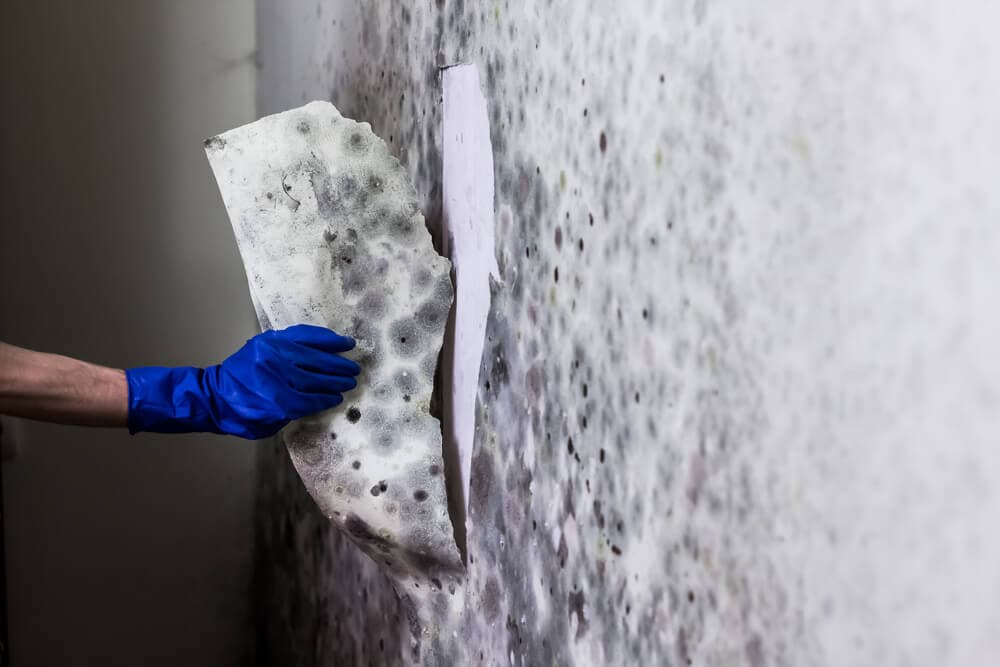
Mold isn’t just a maintenance issue — it’s a compliance issue. In New York City, the Department of Housing Preservation and Development (HPD) treats indoor mold conditions as a health hazard, and property owners are legally required to correct them within strict timelines. Knowing how HPD classifies mold violations — and how to properly clear them — can make the difference between a fast dismissal and costly re-inspections.
The Three Classes of HPD Mold Violations
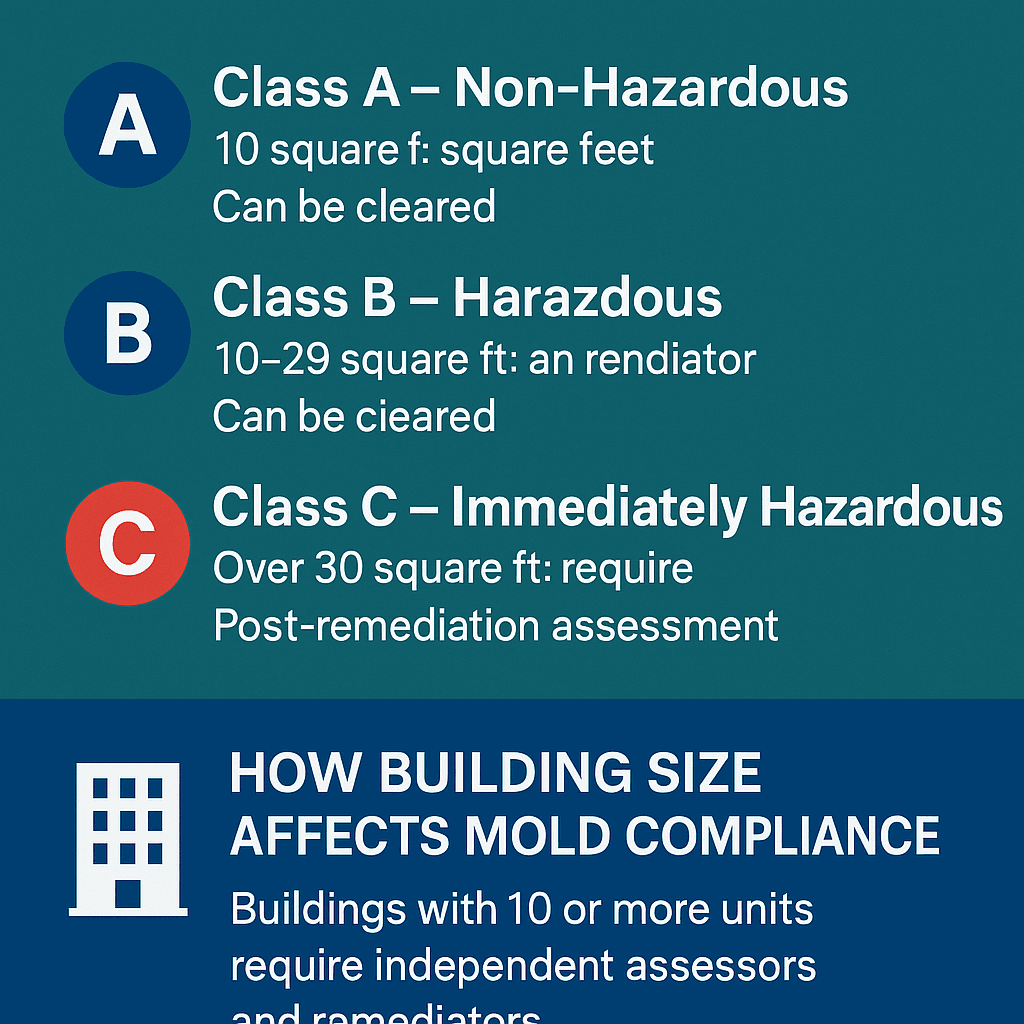
HPD issues mold violations in three categories: Class A, Class B, and Class C. Each class represents a different level of severity and comes with its own correction and certification requirements.
Class A – Non-Hazardous
These are the least severe mold violations. They typically involve small mold areas (less than 10 square feet) in non-critical spaces.
Correction timeframe: Within 90 days of receiving the violation.
How to clear: Usually, a certified mold remediator or maintenance staff can perform basic cleaning and repainting after addressing the underlying moisture source. Once corrected, the owner can self-certify the correction online through HPD’s Certification of Correction portal.
Class B – Hazardous
Class B mold violations are more serious, generally involving between 10–29 square feet of mold growth. These are considered a health risk if not handled promptly.
Correction timeframe: Within 30 days.
How to clear: The property owner must hire a NYC-licensed Mold Assessor to evaluate the condition and a licensed Mold Remediator to perform the work. A post-remediation clearance inspection must then be completed by the Assessor. Documentation (including the remediation and clearance certificates) must be submitted to HPD to certify correction.
Class C – Immediately Hazardous
Class C is the most severe category. These violations involve 30 square feet or more of mold, active water leaks, or conditions that pose an immediate health threat to occupants.
Correction timeframe: Within 24 hours to begin work and 21 days to complete the remediation.
How to clear: A licensed Mold Assessor and Remediator are required by law. HPD requires full compliance with Local Law 55 of 2018, which governs mold and indoor allergen hazards. After remediation, the property must undergo a post-remediation assessment and clearance report before HPD can close the violation.
How Building Size Affects Mold Compliance
The size of your building directly determines how HPD enforces mold compliance and who must perform the work:
- Buildings with 10 or more residential units must use independent, third-party licensed Mold Assessors and Remediators — meaning they cannot be the same entity or person.
- Buildings with fewer than 10 units have more flexibility. The owner or super can sometimes handle minor Class A conditions directly, provided they follow safe work practices and document the correction properly.
- HPD also prioritizes inspection follow-ups for larger multifamily properties, so larger landlords should expect quicker re-inspection schedules and stricter verification of documentation.
How to Clear HPD Mold Violations Quickly
At Environmental Safeguard Solutions (ESS), we handle every step of the process:
- Assessment: A licensed Mold Assessor identifies the extent and source of mold.
- Remediation Coordination: We connect you with certified remediation partners if needed.
- Clearance Inspection: After remediation, ESS performs the post-remediation assessment and provides the clearance documentation required by HPD.
- HPD Filing: We help file the certification of correction and close the violation.
Whether it’s a small Class A spot or a full-building Class C hazard, ESS ensures your property stays compliant and your tenants stay safe.
Stay Ahead of HPD Mold Violations
Mold violations can lead to steep fines and tenant complaints if not handled properly. With NYC’s Local Law 55 enforcement increasing each year, proactive inspections are the best way to stay compliant.
If your property has received a mold violation — or you want to prevent one — contact Environmental Safeguard Solutions today for a licensed assessment.
📞 (929)-305-1232
📧 sales@ess-nyc.com
🌐 www.ess-nyc.com