How HPD Violations Can Affect Your Building
When you own or manage property in New York City, staying compliant with the Department of Housing Preservation and Development (HPD) is critical. HPD violations don’t just affect your building’s reputation—they can also lead to costly fines, delayed transactions, and even legal action if not addressed promptly.
What Are HPD Violations?
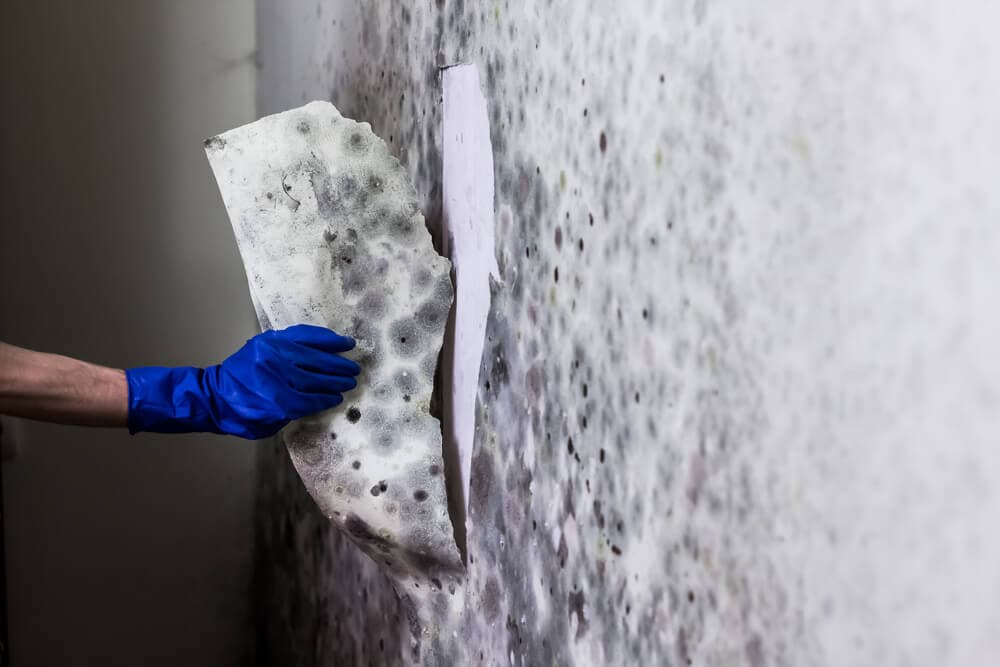
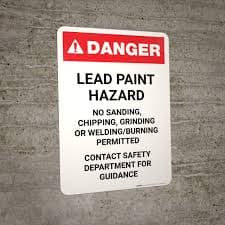
HPD violations are issued when a building fails to meet NYC’s housing maintenance standards under the Housing Maintenance Code. These violations can range from minor infractions, like missing smoke detectors, to serious health hazards, such as lead paint, mold, or structural safety issues.
Each violation is classified as:
- Class A (Non-Hazardous): Minor issues that must be corrected within 90 days (e.g., missing signs, small leaks).
- Class B (Hazardous): Conditions that affect tenants’ quality of life and must be corrected within 30 days (e.g., no heat, pest infestation, mold).
- Class C (Immediately Hazardous): Severe health or safety hazards that must be fixed within 24 hours to 5 days (e.g., lead paint hazards, lack of hot water, major leaks, structural damage).
How Violations Impact Your Building
- Financial Penalties
HPD fines can quickly add up. If violations aren’t corrected within the required timeframe, the agency can issue daily penalties that accumulate until compliance is achieved. Repeat offenders may face higher fines and even HPD litigation. - Difficulty Selling or Refinancing
Open HPD violations can prevent a property from closing during a sale or refinancing process. Lenders and buyers often require a clean violation history before moving forward, meaning unresolved issues can delay or derail deals entirely. - Legal and Enforcement Action
For persistent non-compliance, HPD can file a case in Housing Court, which may result in judgments, civil penalties, or city-initiated repairs at the owner’s expense through HPD’s Emergency Repair Program (ERP). - Tenant Complaints and Reputation Damage
Violations are public record and easily searchable. A long list of unresolved HPD violations can lead to more tenant complaints, bad reviews, and reduced property value. - City Monitoring and Audits
Certain violations—especially those related to lead, mold, or Local Law 31 compliance—can trigger additional inspections and mandatory re-testing. Failure to comply with lead or mold requirements can escalate to DOH or DOB enforcement.
How to Stay Compliant
- Perform Regular Inspections: Routine checks can catch potential violations early.
- Address Lead and Mold Hazards Promptly: Local Laws 31, 55, and 123 make proactive testing and abatement mandatory.
- Maintain Accurate Documentation: Keep reports, affidavits, and clearance results on file to show HPD proof of compliance.
- Use Tools Like CityWatch: Platforms like CityWatch notify you instantly when your building receives an HPD, DOB, DEP, or DOH violation—so you can act fast before penalties increase.
Final Thoughts
HPD violations are more than just red tape—they’re signals that something in your building needs attention. By staying proactive, scheduling regular inspections, and resolving violations quickly, you not only avoid fines but also maintain safer, healthier, and more valuable properties.
At Environmental Safeguard Solutions, we specialize in helping NYC property owners stay compliant with HPD regulations through lead inspections, mold assessments, and post-abatement clearances.
📞 Contact us today to ensure your building stays violation-free and compliant year-round.
📞 (929-305-1232 | 🌐 www.ess-nyc.com