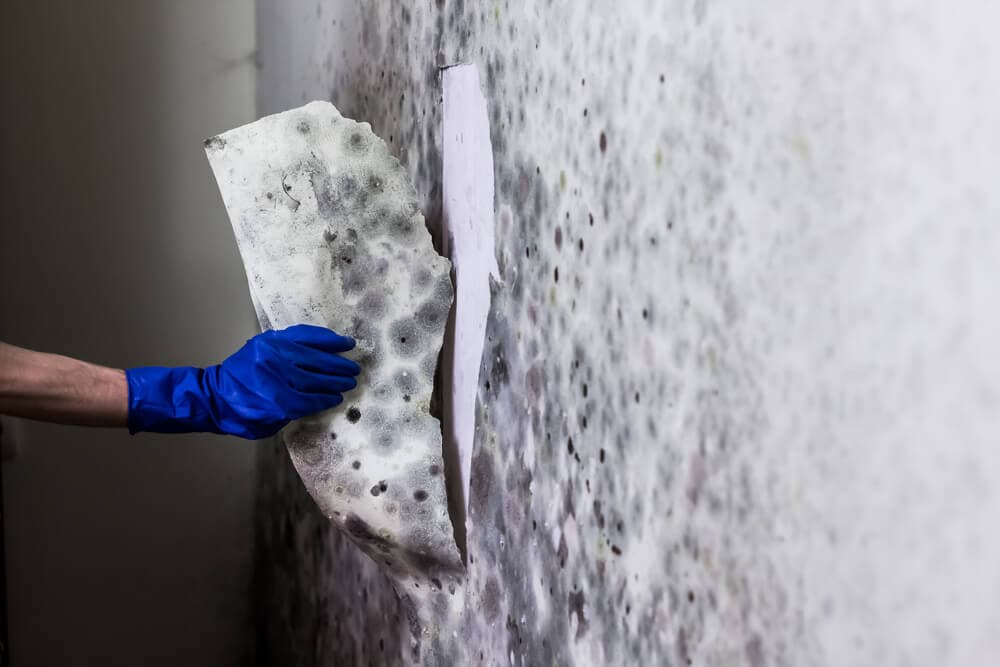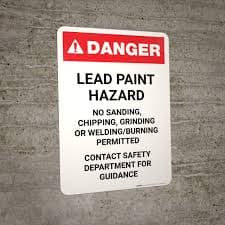

Asbestos remains one of the most strictly regulated building hazards in the United States—and for good reason. Once widely used in construction materials for its durability and fire-resistant qualities, asbestos is now recognized as a dangerous carcinogen. Exposure can lead to severe health conditions, including asbestosis, lung cancer, and mesothelioma. Because of these risks, federal, state, and city agencies enforce strict rules on how asbestos must be identified, handled, and removed in buildings.
If you're a property owner, landlord, or building manager, asbestos violations can have serious consequences for your business, your tenants, and your bottom line. Here’s what you need to know.
What Are Asbestos Violations?
Asbestos violations are issued when a building owner or contractor fails to follow legal requirements related to asbestos inspection, abatement, removal, or reporting. These regulations are typically enforced by agencies such as:
- The Department of Environmental Protection (DEP)
- The Department of Buildings (DOB)
- The Occupational Safety and Health Administration (OSHA)
Violations often result from:
- Failing to conduct a proper asbestos survey before renovation or demolition
- Hiring unlicensed or uncertified abatement contractors
- Improper or unsafe removal and disposal
- Not notifying authorities before starting work
- Allowing asbestos dust to contaminate occupied areas
The Real Impact of Asbestos Violations
1. Financial Penalties Add Up Quickly
Asbestos fines can range from hundreds to tens of thousands of dollars depending on the severity and agency involved. Repeated infractions may lead to significantly higher penalties.
2. Stop-Work Orders Can Delay Projects
A single violation can shut down your entire renovation or construction timeline. Delays can impact leasing, sales, and operational schedules—costing you time and money.
3. Increased Liability Exposure
If tenants, workers, or visitors are exposed to asbestos due to improper handling, legal claims can arise. Liability for asbestos exposure can be long-term and extremely costly.
4. Mandatory Remediation Requirements
Once a violation is issued, the owner may be required to hire licensed asbestos professionals to correct the problem—often at a premium cost.
5. Damage to Reputation
Buildings with a history of hazardous condition violations—especially asbestos—may face tenant distrust, reduced occupancy, and challenges during property transactions.
How to Avoid Asbestos Violations
✔ Get an Asbestos Inspection Before Any Work
Always hire a certified asbestos inspector before starting renovation, demolition, or major repair work.
✔ Only Use Licensed Asbestos Abatement Contractors
Never cut corners when dealing with hazardous materials. Ensure everyone handling asbestos is properly trained and certified.
✔ File All Required Notifications
Notify the appropriate agencies before starting abatement work. Missing paperwork alone can trigger violations.
✔ Keep the Work Area Properly Contained
Negative air pressure, sealed work zones, and proper disposal procedures are essential to compliance.
✔ Maintain Clear Documentation
Keep records of inspections, air monitoring, disposal manifests, and contractor certifications.
Final Thoughts
Asbestos regulations exist to protect the health and safety of everyone who enters your building. For property owners, understanding these rules isn’t just about compliance—it’s about safeguarding your investment and the people who rely on your space. By taking proactive steps and working with qualified professionals, you can avoid costly violations while keeping your building safe and compliant.