Asbestos exposure remains a serious public health concern in New York City, especially in older buildings. Despite strict regulations, asbestos-containing materials are still found in many residential, commercial, and industrial properties. Understanding the symptoms, risks, and prevention measures can help protect occupants, workers, and property owners from long-term health consequences.
🏙️ Why Asbestos Is Still a Risk in NYC
Thousands of NYC buildings constructed before the 1980s used asbestos for fireproofing, insulation, and durability. Common locations include:
- Pipe and boiler insulation
- Floor tiles and adhesives
- Ceiling plaster and textured coatings
- Roofing and siding materials
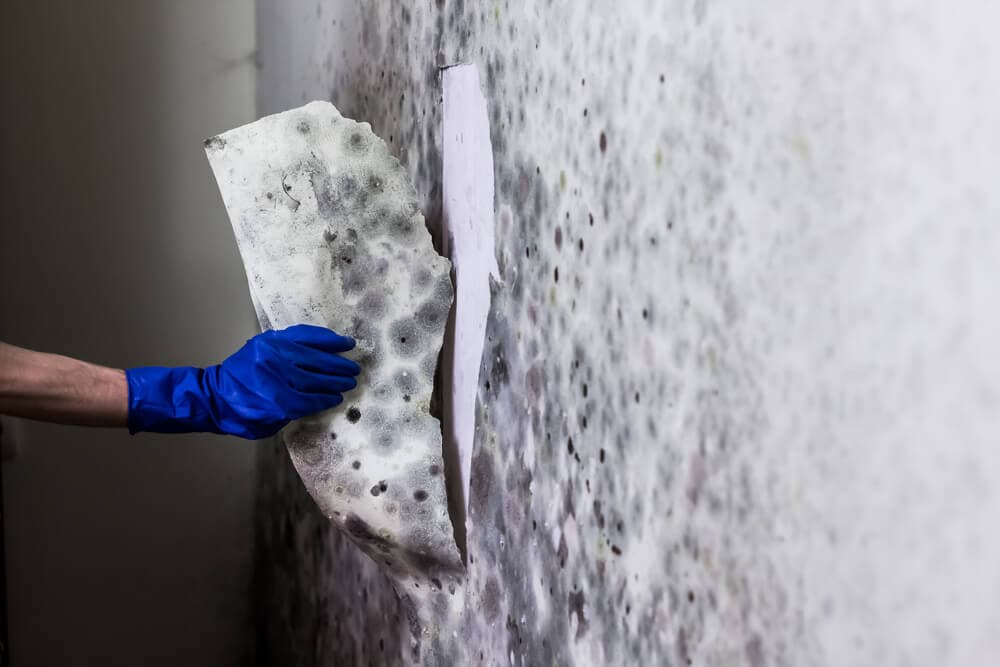
Asbestos becomes dangerous when these materials are disturbed during renovations, repairs, or demolition, releasing microscopic fibers into the air.
⚠️ Health Risks of Asbestos Exposure
Asbestos fibers are easily inhaled and can remain in the lungs for decades. Prolonged or repeated exposure significantly increases the risk of serious illnesses, including:
- Mesothelioma – a rare and aggressive cancer affecting the lining of the lungs or abdomen
- Asbestosis – chronic lung scarring that causes breathing difficulties
- Lung cancer – especially common among smokers exposed to asbestos
- Pleural disease – thickening or fluid buildup around the lungs
These diseases often develop 20–50 years after exposure, making early prevention critical.
🩺 Symptoms of Asbestos Exposure
Symptoms usually do not appear immediately. When they do, they may include:
- Persistent coughing
- Shortness of breath
- Chest pain or tightness
- Fatigue
- Unexplained weight loss
Because symptoms are often subtle at first, many people do not seek medical attention until the disease has progressed.
👷 Who Is Most at Risk in NYC?
High-risk groups include:
- Construction and renovation workers
- Maintenance and building staff
- Tenants in older buildings undergoing repairs
- Firefighters and first responders
- Property owners managing pre-war or pre-1980 buildings
Even brief exposure can be dangerous if proper safety controls are not in place.
🛡️ How to Prevent Asbestos Exposure
1) Do Not Disturb Suspect Materials
If materials appear damaged or deteriorating, avoid touching them and restrict access immediately.
2) Schedule Professional Asbestos Testing
Licensed asbestos inspectors can identify asbestos-containing materials before renovation or maintenance begins. Testing is often required by NYC regulations.
3) Use Licensed Abatement Contractors
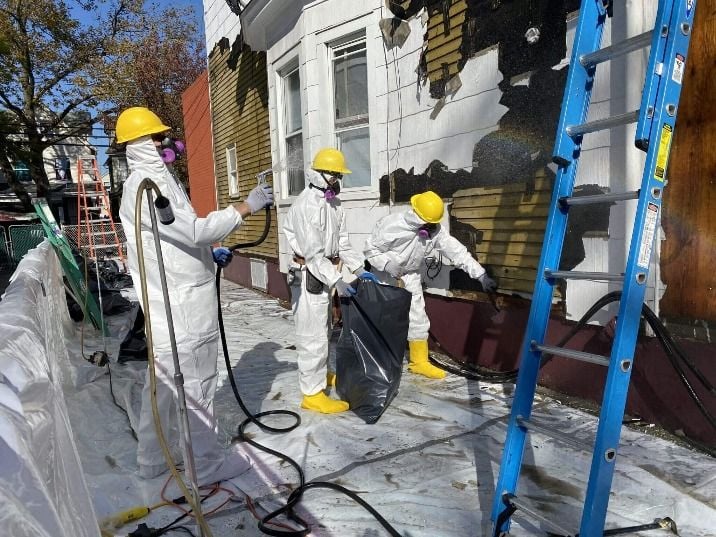
Only certified asbestos abatement professionals are legally allowed to remove or contain asbestos in NYC. DIY removal is illegal and hazardous.
4) Follow NYC Regulations
Compliance with DOB, DEP, and New York State Department of Labor rules is mandatory. This includes:
- Filing required permits
- Conducting air monitoring
- Using proper containment and disposal methods
5) Educate Tenants and Workers
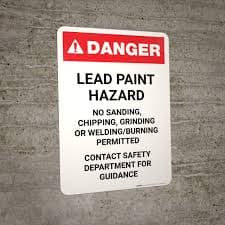
Clear communication and warning signage help prevent accidental exposure during building work.
🧾 What to Do If You Suspect Exposure
If you believe asbestos may be present or exposure has occurred:
- Stop work immediately
- Contact a licensed asbestos professional
- Consult a healthcare provider if symptoms develop
- Document the situation for compliance and legal protection
✅ Conclusion
Asbestos exposure in NYC is preventable with proper awareness, testing, and compliance. Understanding the symptoms, risks, and prevention strategies helps protect lives, avoid violations, and ensure safer buildings across New York City.